

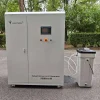





The dental waterway system is composed of water supply pipes for dental mobile phones. High and low speed mobile phones, ultrasonic scaling machines, three-in-one guns and other diagnostic and therapeutic equipment. The complex internal pipe structure, narrow pipe diameter and the long-term moist environment provide a breeding ground for microorganisms. Common contaminating microorganisms include Legionella, Pseudomonas aeruginosa, Staphylococcus, etc. These microorganisms enter the respiratory tract and oral mucosa of patients through water mist or aerosol sprayed during diagnosis and treatment. For the elderly, children and patients with chronic diseases with low immunity. They are very likely to cause serious infectious diseases such as pneumonia and sepsis.
For a long time, the dental industry has mostly used traditional methods such as chemical disinfectant immersion. Ultraviolet irradiation, and ozone disinfection to disinfect dental waterways. However, all these methods have obvious limitations. Chemical disinfectants such as chlorine-containing disinfectants and peracetic acid. Although they can kill microorganisms to a certain extent, may leave harmful substances in the pipes. Causing irritation to the oral tissues of patients. At the same time, they can also accelerate the aging of pipes and corrode medical instruments. Ultraviolet irradiation disinfection is limited by the structure of the pipeline and cannot achieve all-round disinfection. There are disinfection dead corners, and it has a poor killing effect on microorganisms that have formed biofilms. Ozone disinfection requires strict control of concentration and duration of action.
A concentration that is too high can easily cause damage to the respiratory tracts of medical staff. While a concentration that is too low makes it difficult to achieve the desired disinfection effect. These limitations make it hard for traditional disinfection methods to meet the long-term. Stable and safe disinfection needs of dental waterways.

The bactericidal effect and working principle of hypochlorous acid
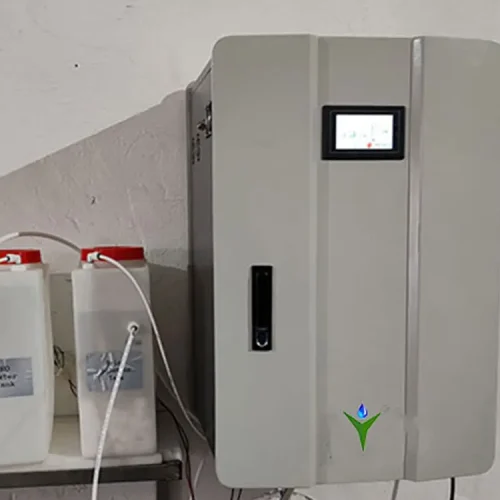
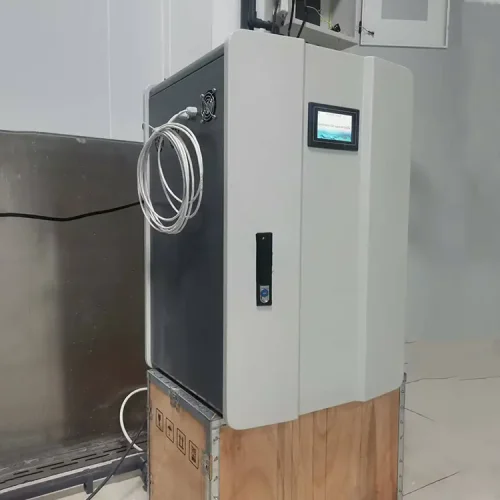
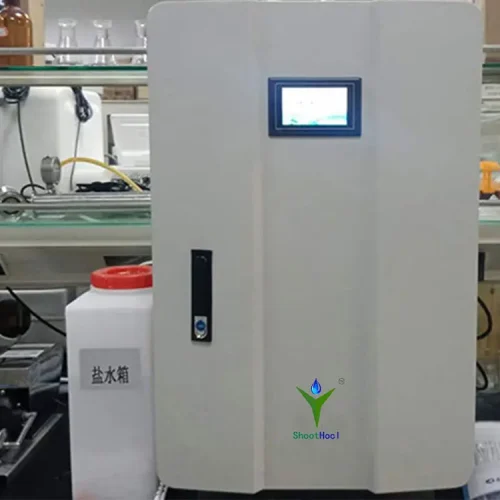
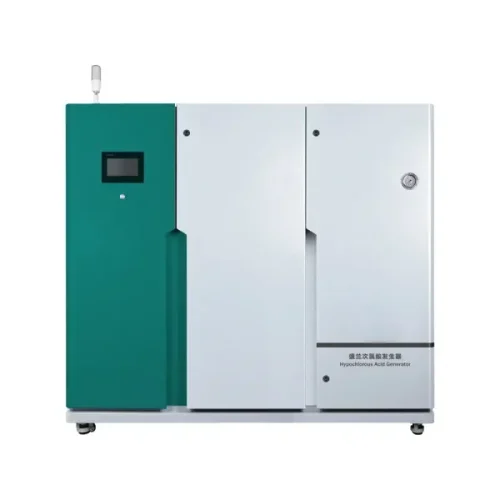
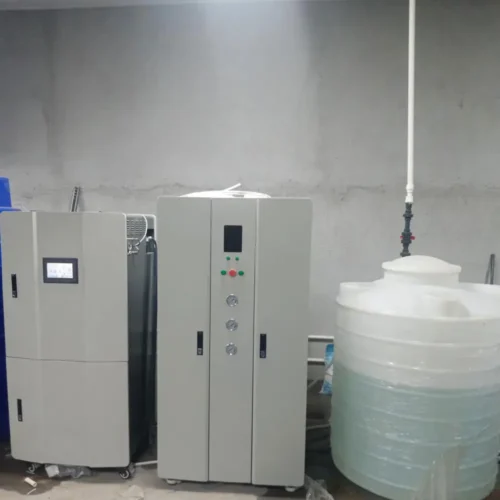
Hypochlorous acid (HClO) is a natural antibacterial substance produced by white blood cells in the human immune system. It has the characteristics of broad-spectrum sterilization, rapid onset. No residue and no toxicity. The hypochlorous acid generator precisely simulates the physiological sterilization process of the human body and uses electrolysis technology to convert dilute hydrochloric acid or salt water into high-concentration and highly stable hypochlorous acid solution Provide high-quality disinfection media for dentists’ waterway disinfection.
At the same time. The intelligent control system equipped on the hypochlorous acid generator can monitor key parameters such as hypochlorous acid concentration and pH value in real time. It automatically adjusts the output concentration based on the flow and pollution conditions of the waterway system to ensure the stability and safety of the disinfection effect. Generally, the hypochlorous acid concentration used for disinfection in dental waterways is controlled at 10-500 PPM. When the pH value is maintained between 5.0 and 7.0. The bactericidal activity of hypochlorous acid is the strongest at this time. And it has no corrosive effect on pipelines and equipment.

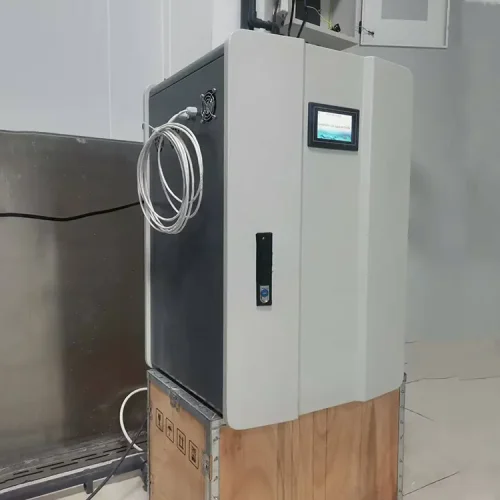
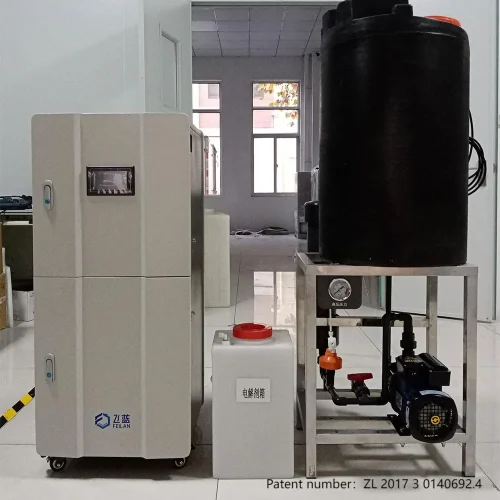
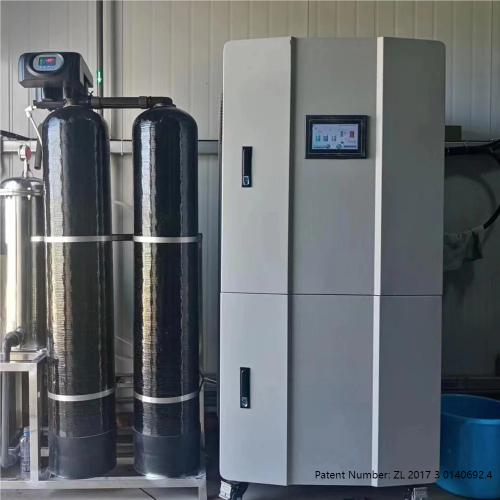
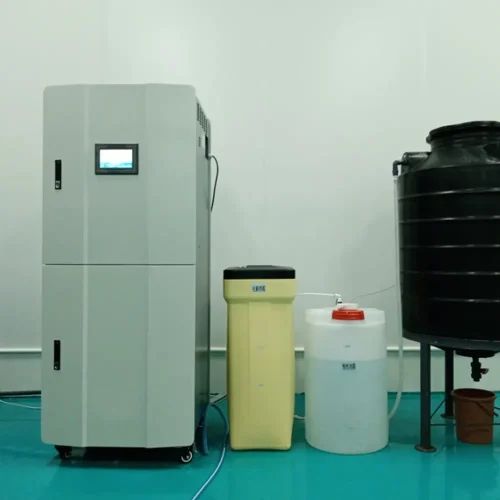
Parameters of hypochlorous acid generator
| Name | Hypochlorous acid generators are used in dentistry |
|---|---|
| flow | 300L/H |
| Concentration | 10-500PPM(Adjustable) |
| Electrolyte | Salt(Nacl) |
| PH | 5-6.5 |
| Power | 1500W |
| Voltage | 380V/50Hz |
| The proportion of hypochlorous acid in ACC | 98.50% |
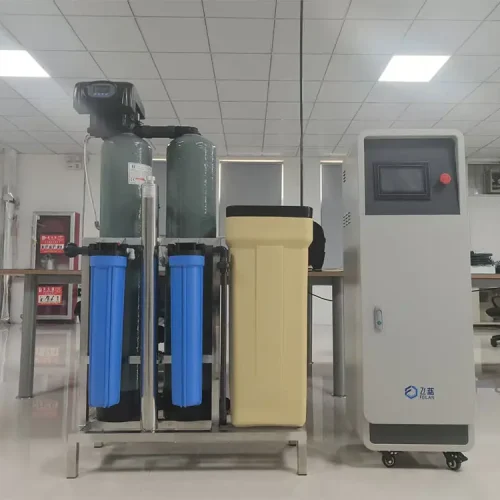
| Softened water system | One on standby and one in use |
| Weight | 80kg |
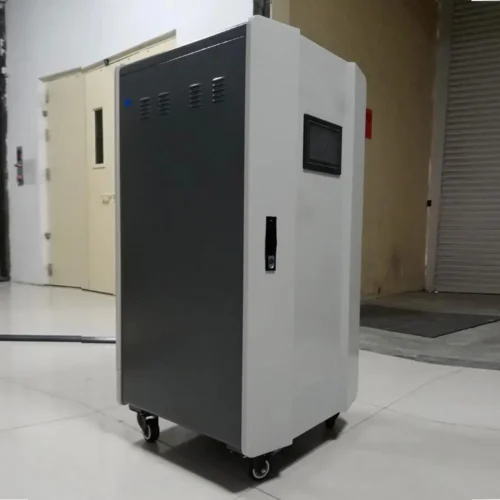
| Dimensions of hypochlorous acid generator | 460*420*1200mm |
The core advantages of hypochlorous acid generators in dental applications
1,Highly efficient sterilization and thorough removal of biofilms
Hypochlorous acid has extremely strong oxidizing properties and can penetrate the cell membranes of microorganisms. Destroying their proteins, nucleic acids and other life-active substances. Achieving rapid killing of various microorganisms such as bacteria, viruses and fungi, with a killing rate of over 99.99%. Especially for biofilms that are difficult to remove by traditional disinfection methods. Hypochlorous acid can penetrate into the interior of the biofilm. Gradually decompose the biofilm structure to eliminate the foundation for microbial growth from the root. In the dental waterway system. Hypochlorous acid solution can fully contact every surface of the inner wall of the pipe with the water flow, including curved pipes. Valve interfaces and other areas prone to contamination dead corners. Ensuring no blind spots in disinfection and effectively reducing the risk of cross-infection.
2,Safe and environmentally friendly, no residue and no irritation
Compared with traditional chemical disinfectants, hypochlorous acid solution will naturally decompose into water and oxygen after completing the disinfection process. It will not leave any harmful substances in the pipeline, nor will it produce pungent odors or harmful gases. It has no irritating effect on the oral mucosa, respiratory tract of patients or the skin of medical staff. Greatly improving the safety of the dental treatment environment. Meanwhile. The raw materials of the hypochlorous acid generator are common hydrochloric acid or table salt. Which are widely available and low-cost. Moreover, there is no discharge of wastewater or waste gas during the production process. Which meets environmental protection requirements and avoids the secondary pollution to the environment caused by the use of traditional disinfectants, thus practicing the concept of green dental diagnosis and treatment.
3,The hypochlorous acid generator is intelligent and convenient, reducing operation and maintenance costs
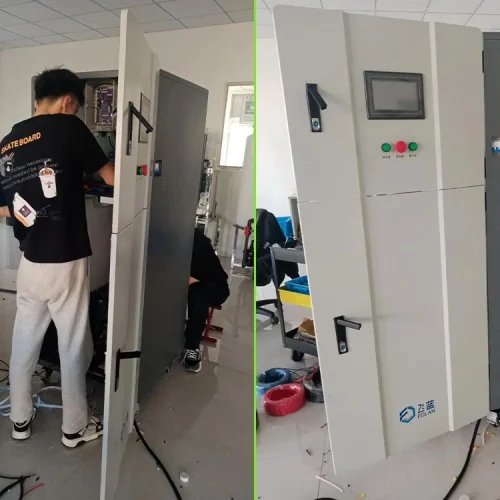
Modern hypochlorous acid generators are generally equip with intelligent control systems that support fully automatic operation. Medical staff only need to set disinfection parameters through the touch screen, and the generator can automatically complete operations such as raw material mixing, electrolytic generation, and solution transportation, without the need for frequent manual intervention, reducing the operational difficulty and labor intensity. In addition, the generator is equipp with functions such as fault alarm and data recording. It can monitor the operation status of the equipment in real time. When problems such as abnormal hypochlorous acid concentration or insufficient raw materials occur, it will promptly issue an alarm and record relevant data, facilitating medical staff to quickly identify faults and ensure the stable operation of the equipment.
From the perspective of long-term operation and maintenance costs, the raw material consumption of hypochlorous acid generators is low, the equipment has a long service life, and there is no need to frequently replace disinfection consumables. Compared with traditional disinfection methods, it can significantly reduce the disinfection costs of dental clinics and improve operational efficiency.
4,Hypochlorous acid protects the dental chair instrument and tubing, extending the service life of the dental chair
The strong corrosiveness of traditional chemical disinfectants often leads to aging and rupture of dental waterways, rusting and functional damage of medical instruments, and increases the cost of equipment maintenance and replacement. Hypochlorous acid solution that meets the concentration and pH value requirements has no corrosive effect on metal, plastic and other pipe and instrument materials. While achieving efficient disinfection, it can effectively protect the waterway system and medical instruments, reduce the occurrence rate of equipment failures, extend their service life, and save equipment investment costs for dental clinics.

When using a hypochlorous acid generator to disinfect dental waterways, a standardized disinfection process must be follow. Before the daily medical treatment begins, the generator should be turne on first to allow the hypochlorous acid solution to circulate in the waterway system for 10 to 15 minutes for pre-treatment and disinfection of the pipelines. During the diagnosis and treatment process, the disinfection mode is regularly activate based on the number of patients and the intensity of diagnosis and treatment to ensure that the waterway system remains in a sterile state continuously. After each day’s medical treatment, the waterway system must be thoroughly disinfecte. Let the hypochlorous acid solution soak the pipes for more than 30 minutes to fully kill the microorganisms that have grown during the day’s medical treatment.
At the same time, during the disinfection process, all the outlet valves of the medical instruments should be close to ensure that the hypochlorous acid solution can fill the entire pipeline and avoid affecting the disinfection effect due to water leakage.