

Due to Cold chain transportation effectively inhibits the activity of microorganisms and prolongs the shelf life of food by maintaining a low temperature environment. But low temperature can only “dormant” part of the microbe, can not completely kill. Especially in the frequent opening and closing. Mixed packing of different goods. And condensation water on the packaging surface. The risk of cross-contamination increases sharply. Spraying or soaking of traditional chemical disinfectants may bring harmful residues, corrosion of equipment. Affect the flavor of food materials and even harm human health and other problems. Finding an efficient, broad-spectrum, safe and residual-free disinfection method has always been an urgent need for the cold chain industry.
Advantages of hypochlorous acid sterilization and preservation
Due to Hypochlorous acid generators are a cutting-edge solution to this challenge. therefor It is usually through the electrolysis of dilute salt solution or hydrochloric acid solution. The main component of the field preparation of hypochlorous acid (HClO) disinfectant.
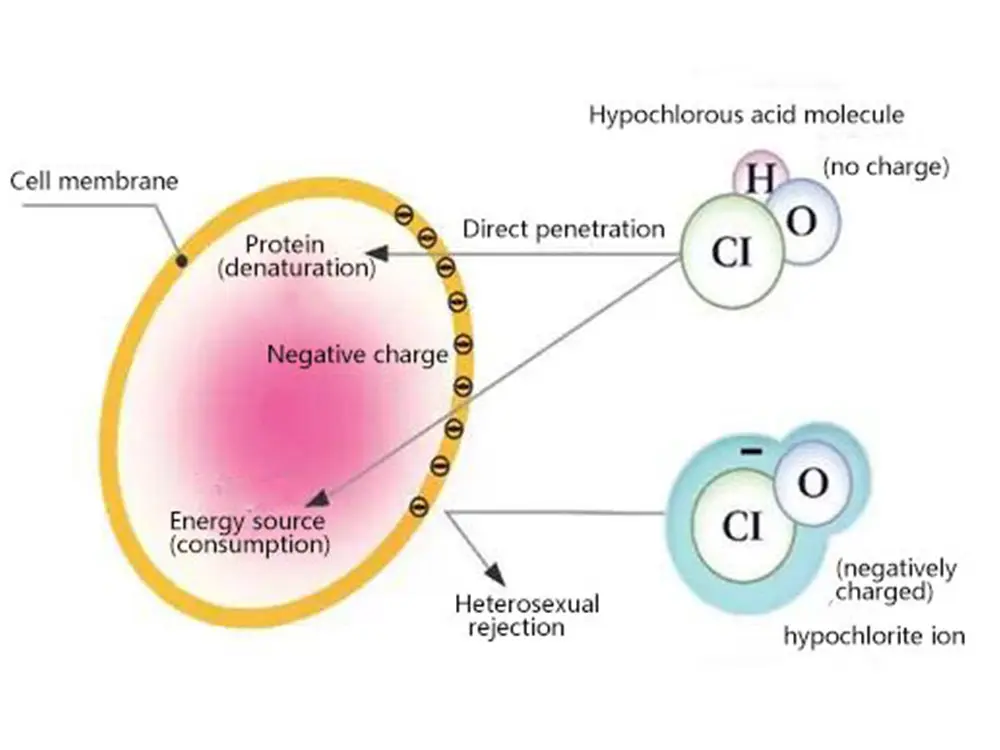
Due to Hypochlorous acid (HClO) is a key antimicrobial in the natural immune system and is produced by human white blood cells to destroy invading pathogens. therefore It has extraordinary advantages:
Highly effective broad-spectrum sterilization: It can effectively kill bacteria, viruses, molds and their spores, including common foodborne pathogens such as E. coli, Salmonella, Listeria, norovirus, etc. within seconds to tens of seconds.
Extreme safety: after its action, it is reduced to water. Trace sodium chloride and oxygen. No toxic residue, harmless to human body and the environment. Even trace residues do not produce carcinogenic by-products such as chloroform as conventional chlorine preparations do.
Mild and non-corrosive: At the same time at appropriate concentrations (usually 50-100ppm). Due to It has very low corrosion to most metals and plastics. No damage to the skin and meat tissue of fruits and vegetables. And does not affect the original color. Taste and nutritional value of food materials.

Application advantages of hypochlorous acid in cold chain transportation
At the same time The hypochlorous acid generator is integrated into the cold chain system. And a three-dimensional disinfection protective network can be constructed at multiple key nodes:
1,Pre-cooling and packaging stage:
- Equipment and workshop disinfection: in the processing center or packaging workshop of the origin. The use of hypochlorous acid atomization or spray to thoroughly disinfect the air. Conveyor belt, tools, packaging boxes, and reduce the total number of initial colonies from the source.
- Food pretreatment: Spraying or short-term soaking of very low concentration of hypochlorous acid water on some fruits and vegetables can significantly reduce surface pathogens and spoilage bacteria, prolong the fresh-keeping period, and is safer than chlorine water.
2,Warehousing and loading and unloading:
- Warehouse environment purification: regular hypochlorous acid atomization disinfection in cold storage, continuous inhibition of microorganisms in the air, to prevent cross-contamination in the warehouse. Its harmless characteristics make the disinfection operation without cleaning, does not affect the normal storage operation.
- Turnover equipment disinfection: automatic spray disinfection of forklifts, pallets, container walls, etc., to ensure the cleanliness of the transport carrier itself.
3,Transportation process control:
Environmental control in refrigerated carriage: IN transit, integrated small hypochlorous acid generating device, timing and quantitative release of low concentration hypochlorous acid fog, in the whole carriage to maintain a sterile/low bacteria environment, especially for long-distance or multiple distribution of high-value fresh goods.
Container sea/land: Equip Marine refrigerated containers with hypochlorous acid generation systems to effectively cope with microbial challenges in high temperature and humidity during long sea voyages.
4,Distribution terminal and retail terminal:
- Distribution vehicles and personnel disinfection: in the distribution station, the vehicle interior and distribution staff hands, clothing for convenient disinfection.
- Retail refrigerator cleaning: supermarkets or retail stores can use hypochlorous acid water daily to wipe the refrigerator layer board, inner wall, to ensure the safety of the sales environment.
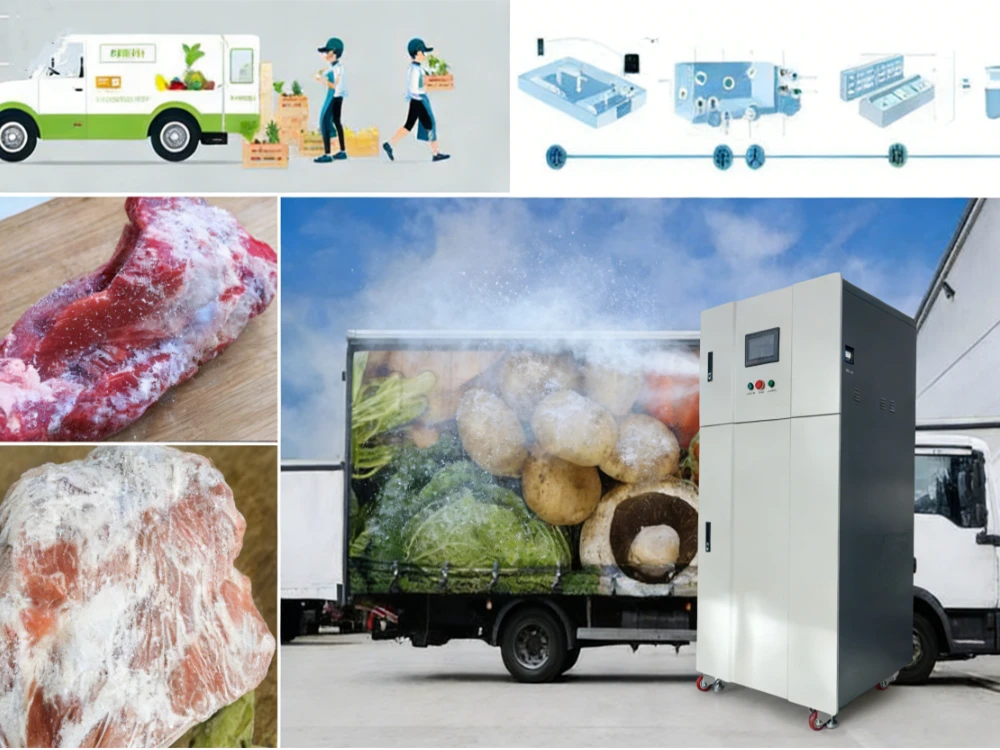
Hypochlorous acid generators have significant benefits in cold chain transportation: visible quality and safety improvements
The cold chain system using hypochlorous acid generator technology can bring multiple benefits:
- Significantly extend shelf life: Through effective microbial control, the shelf life of some fruits and vegetables and meat can be extend by 20% to 50%, reducing losses during transportation and sales.
- Improve food safety: significantly reduce the risk of foodborne pathogen contamination and provide consumers with fresh products with higher safety standards.
- Reduce operating costs: reduce the loss of goods due to corruption. Replace some expensive or complex disinfection programs. Automatic operation of equipment, saving manpower.
- Promote green and sustainable development: no harmful chemical residues. Reduce environmental pollution. In line with the modern food industry green. Low-carbon development direction.
- Enhance brand reputation: establish the high-end image of “technology preservation, ultimate safety” for the brand, and enhance market competitiveness.
FAQ
Which link in the cold chain can hypochlorous acid generator be used?
- Inside the cold storage: regularly disinfect the air (space atomization/fumigation), ground, walls and shelves.
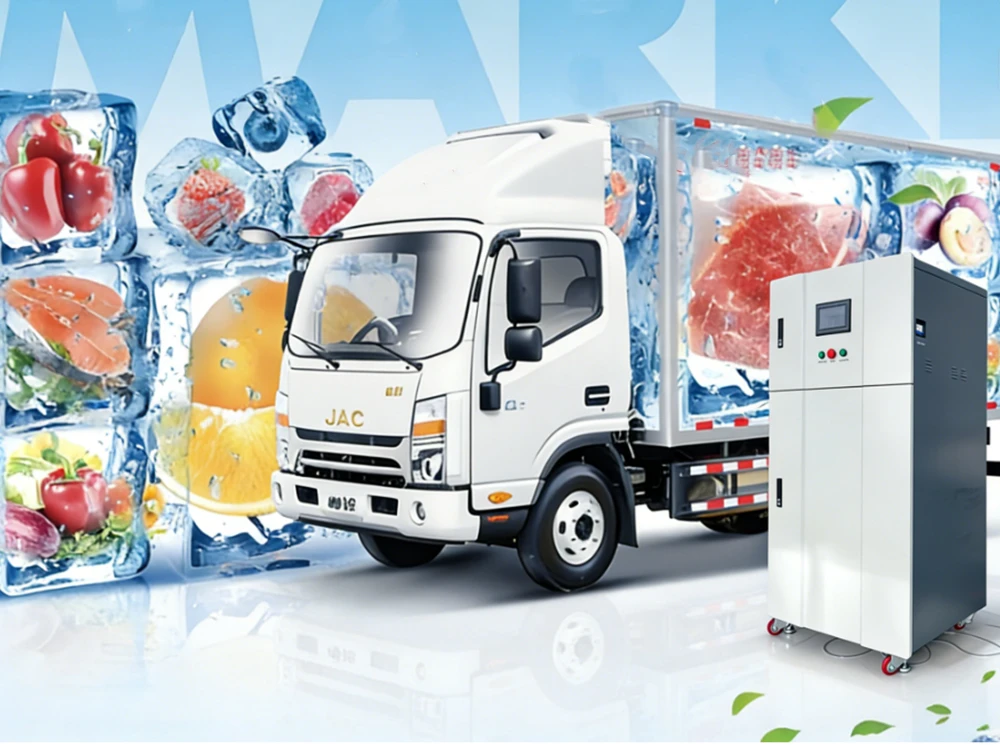
- Transport: refrigerated trucks, containers of the inner wall, floor and air disinfection.
- Processing link: disinfection of production line equipment, work surface, tools, containers, etc.
- Goods packaging: spray disinfect the surface of the product’s outer packing box to block cross contamination.
- Personnel and tools: staff hand disinfection, work boot pool, forklift, tray and other high-frequency contact point disinfection.
- Deicing/condensate disinfection: Prevents condensate from becoming a medium for microbial transmission.