

Due to Blueberries, as a high-value economic crop, have seen their cultivation area expand globally in recent years. However, blueberries are susceptible to various diseases during their growth, severely impacting yield and quality. With the development of modern agricultural technology, hypochlorous acid generators, as an innovative disease control tool, are increasingly being applied to blueberry cultivation, demonstrating significant disease prevention effects and the potential to improve survival rates.
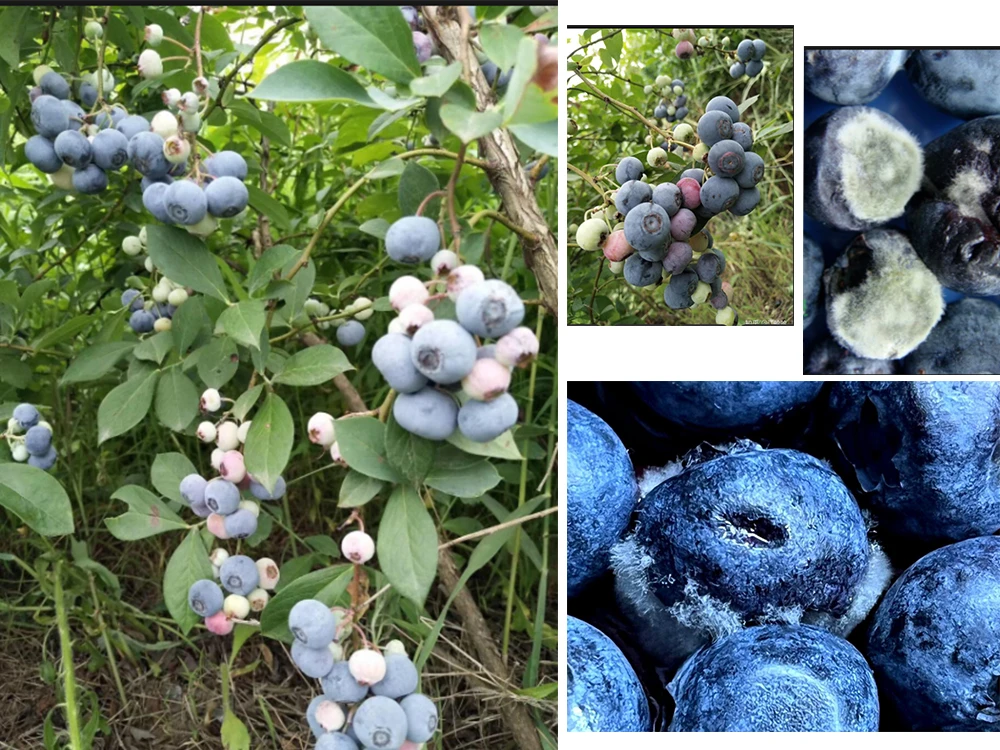
Major Disease Challenges in Blueberry Cultivation
Common blueberry diseases include:
Root rot: Caused by various pathogens, severely affecting the plant’s absorption of water and nutrients.
- Twig blight: Causes branches to wither and die, reducing yield.
- Anthracnose: Affects fruit quality and storage life.
- Gray mold: Affects flowers and fruits, leading to reduced yield.
- Viral diseases: Such as blueberry scorch virus, which are difficult to cure.
These diseases not only reduce yield but can also cause the death of the entire blueberry plant, resulting in economic losses for growers.
Hypochlorous acid generator principle and advantages
Hypochlorous acid (HOCl) generators produce low-concentration hypochlorous acid solutions by electrolyzing brine, offering the following characteristics:
- Highly effective sterilization: Hypochlorous acid effectively kills bacteria, fungi, and viruses.
- High safety: Harmless to humans and the environment at appropriate concentrations.
- No residue: Decomposes into water and trace amounts of salt, leaving no chemical residue.
- Cost-effective: Low operating costs; can be prepared on-site.

Specific applications of hypochlorous acid generators in blueberry cultivation
1. Soil disinfection and root disease prevention
Pre-planting soil treatment: Irrigating the soil with hypochlorous acid solution can effectively reduce the number of pathogens in the soil.
Regular root irrigation: Regularly irrigate with a low-concentration hypochlorous acid solution during the growing season to prevent root rot.
Root treatment during transplanting: Soaking the roots of blueberry seedlings in hypochlorous acid solution before transplanting improves the survival rate.
2. Foliar spraying and branch disease control
- Preventative spraying: Regularly spray blueberry plants with foliar spray before the peak disease season.
- Targeted treatment: Increase spraying frequency and concentration when early signs of disease are observed.
- Pruning tool disinfection: Disinfect pruning tools with hypochlorous acid solution to prevent cross-contamination.
3. Irrigation system cleaning
- Preventing biofilm formation: Regularly add hypochlorous acid to the irrigation system to prevent the growth of bacteria and fungi in the pipes.
- Improving water quality: Disinfect irrigation water to reduce the risk of waterborne diseases.
4. Post-harvest processing
- Fruit surface disinfection: Slightly infected fruit can be treated with hypochlorous acid soaking to extend shelf life.
- Storage environment disinfection: Spray disinfection of storage areas to reduce the number of pathogens.
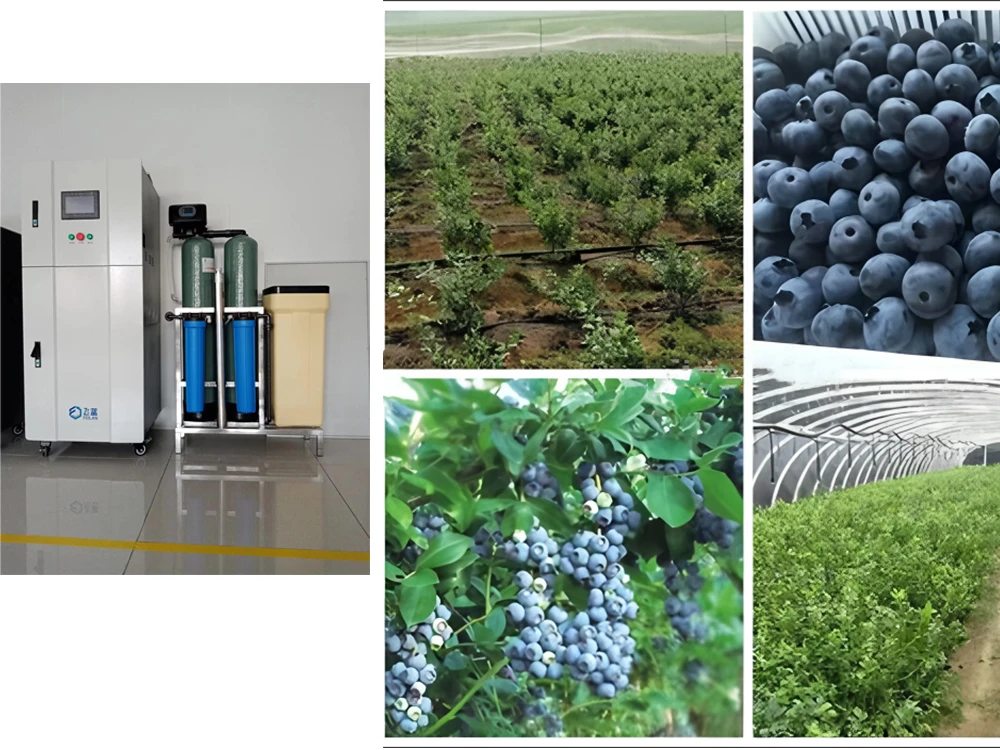
Practical application effects and data support of hypochlorous acid generator
Multiple studies and practices have demonstrated the significant benefits of hypochlorous acid generators in blueberry cultivation:
- Increase survival rate: Blueberry seedlings treated with hypochlorous acid show a 15-25% increase in survival rate.
- Reduce disease incidence: Foliar diseases are reduce by an average of 40-60%.
- Increase yield: The proportion of healthy plants increases, leading to an average yield increase of 20-35%.
- Reduce pesticide use: Chemical pesticide use can be reduce by 30-50%.
- Improved fruit quality: Reduced diseases directly improve fruit appearance and storage characteristics.
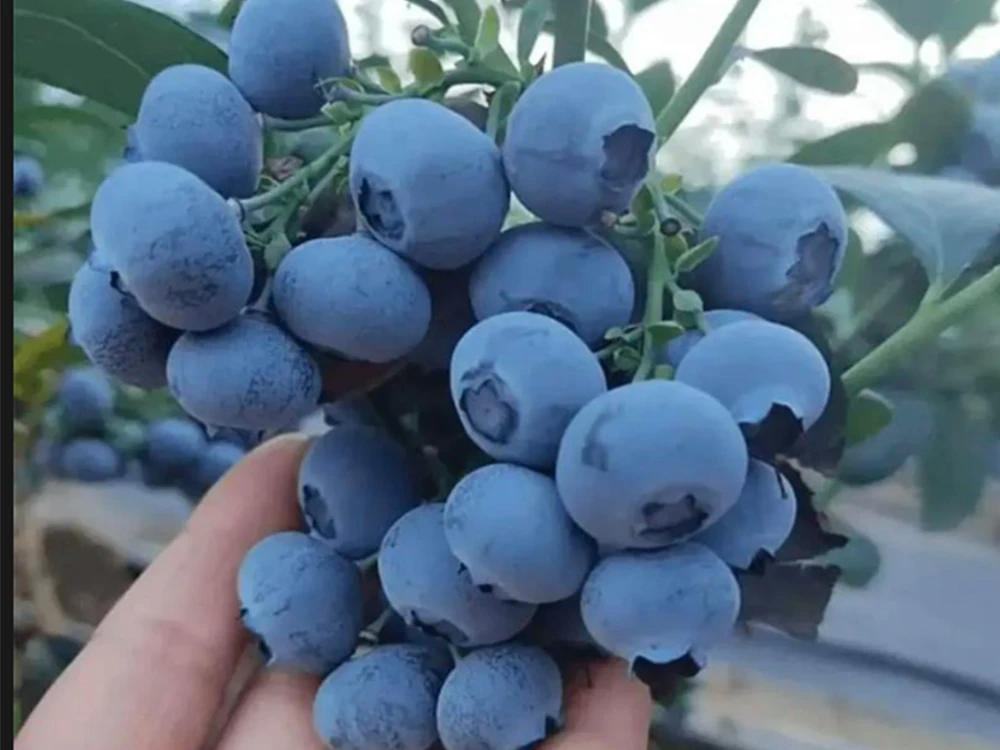
Advantages of hypochlorous acid generators in agricultural planting
With increasing demands for food safety and environmental protection, hypochlorous acid generators have broad application prospects in blueberry and other crop cultivation. Future development directions may include:
- Intelligent Integration: Combining hypochlorous acid generators with intelligent irrigation systems to achieve precise disease control.
- Automatic Concentration Adjustment: Automatically adjusting hypochlorous acid concentration based on environmental conditions and disease stress.
- Organic Certification Applicability Research: Further research into its application potential in organic agriculture.
- Combination with Other Biological Control Methods: Exploring the synergistic effects of combining with probiotics, natural extracts, etc.
FAQ
Is it safe to use hypochlorous acid generators for blueberry cultivation?
At the same time Hypochlorous acid generators provide blueberry growers with an effective, safe, and environmentally friendly tool for disease control. When applied properly, they can significantly reduce the incidence of common diseases, improve blueberry survival rates and yields, and reduce reliance on traditional chemical pesticides. With the continuous maturation of the technology and its wider application, hypochlorous acid treatment is expect to become an indispensable disease management method in modern blueberry cultivation, providing strong support for the sustainable development of the blueberry industry.