

Greenhouse cucumber growers often face frustrating losses. High humidity fuels mildew and also rot outbreaks, while strict residue rules limit what chemicals they can use. A single disease event can wipe out weeks of hard work and hurt your profit.
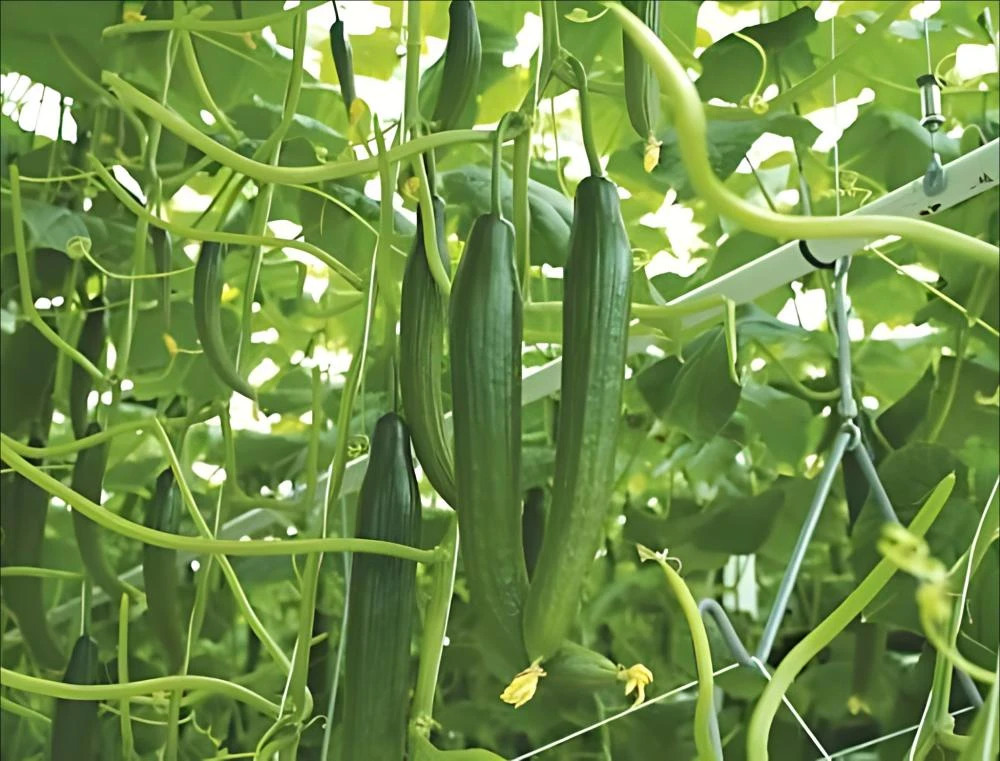
Stop Common Cucumber Diseases Inside Enclosed Grow Spaces
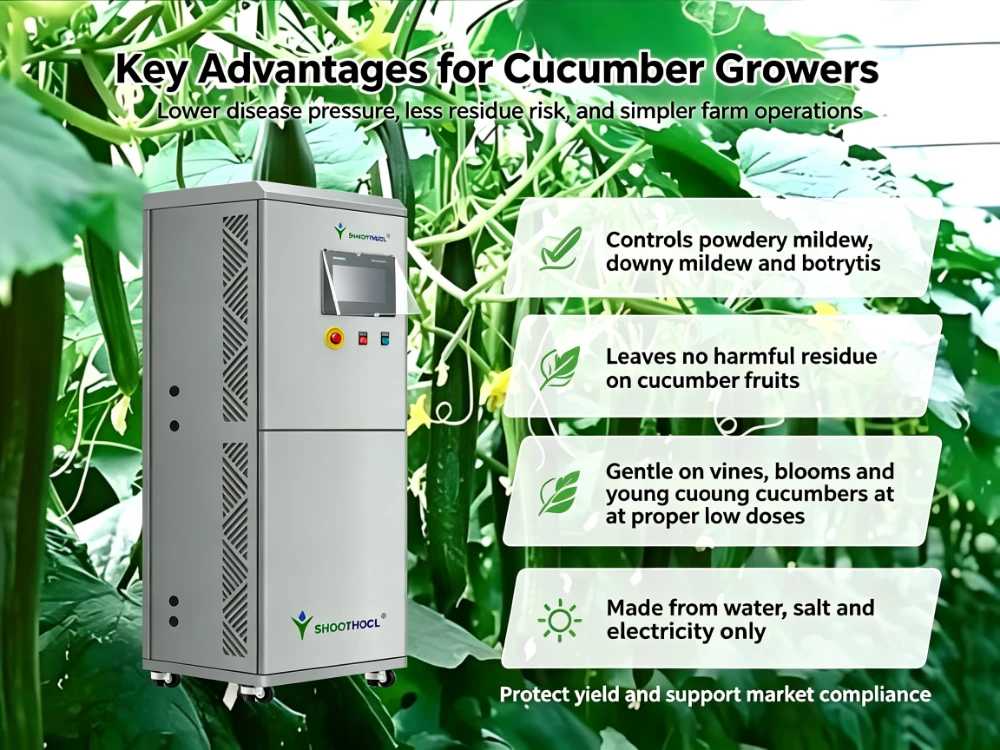
Greenhouse cucumbers thrive in warm, moist air. This same environment lets powdery mildew, downy mildew and also botrytis spread rapidly. Cucumber vines, blooms and tender fruits are very vulnerable. Even a small spot of infection can run through the whole house fast. Thankfully, HOCl generators deliver broad-spectrum sanitization. You can mist the air, clean growing trays or add the solution to irrigation lines. It suppresses pathogens before they get out of control.
Remove Residue Pressure From Chemical Fungicides
Traditional chemical sprays leave traces on cucumber skin. Buyers will reject your cargo once test results exceed safety standards. In addition, repeated chemical use lets pathogens build resistance over time. On the contrary, properly diluted HOCl will not burn soft cucumber leaves, flowers or young fruit. It breaks down into water and salt after working. It leaves no harmful residue on your harvest.
Cut Recurring Costs and Fit Standard Farm Workflows
FAQ
Q1: Can I use HOCl on young cucumber seedlings?
A1: Yes. Use a low concentration. It kills surface pathogens and will not damage tender young seedlings.
Q2: Do my workers need heavy protective gear when using this HOCl solution?
A2: No. Unlike strong farm chemicals, on-site HOCl has low irritation risk. Basic regular work clothes are enough.
Q3: How should I arrange the disinfection schedule for cucumber greenhouses?
A3: Adjust the frequency based on humidity and also disease pressure. Most growers run light regular misting plus stable irrigation dosing for continuous protection.