

Hypochlorous acid generator : cucumber disease prevention.Cucumber is a widely planted bulk vegetable in our country. But it is susceptible to pathogen infection. Pesticide residue exceeding the standard. Soil continuous cropping obstacles and other problems during the growth process. Which leads to the reduction of yield and quality. Hypochlorous acid (HClO), as an efficient, safe and environmentally friendly disinfector. Has gradually become the core technical means of cucumber green planting by virtue of its broad spectrum sterilization, no residue, and friendly to crops and the environment. The hypochlorous acid generator can produce hypochlorous acid solution on site. Which solves the inconvenience of transportation and storage of traditional disinfectants. Further improves the convenience of application. And shows significant application value in the whole cycle of cucumber planting.
The core advantages and working principle of hypochlorous acid generator
Hypochlorous acid generator with salt (NaCl) and water as raw materials. Through the electrolysis technology to generate hypochlorous acid as the main component of the slightly acidic electrolytic water (pH value 5.5-6.5). Its bactericidal principle is to use the strong oxidation of hypochlorous acid. Destroy the cell membrane of bacteria. Fungi and other microorganisms and nucleic acid structure. Quickly kill pathogens. And after the action quickly decomposed into water and chloride ions. No residue, no irritation, will not cause secondary pollution to soil. Water and crops. Compared with traditional chemical disinfectants (such as chlorothalonil, carbendazim, sodium hypochlorite, etc.). Hypochlorous acid solution prepared by hypochlorous acid generator has the following advantages:
1,High sterilization efficiency: the killing rate of the common downy mold. Powdery mildew, anthrax bacteria. Fusarium wilt bacteria in cucumber cultivation can reach more than 99.9%. The action speed is 80 times of sodium hypochlorite;
2,Strong safety: no burn to cucumber plants and roots. No stimulation to operators, in line with green food production standards;
3,Low cost: the raw materials are only salt and water. And the preparation cost of hypochlorous acid solution is less than 1USD per ton, which is far lower than traditional pesticides.
4,Convenient operation: the equipment is small in size, movable, without professional qualification, and can be prepared and used at any time according to the needs of growers.

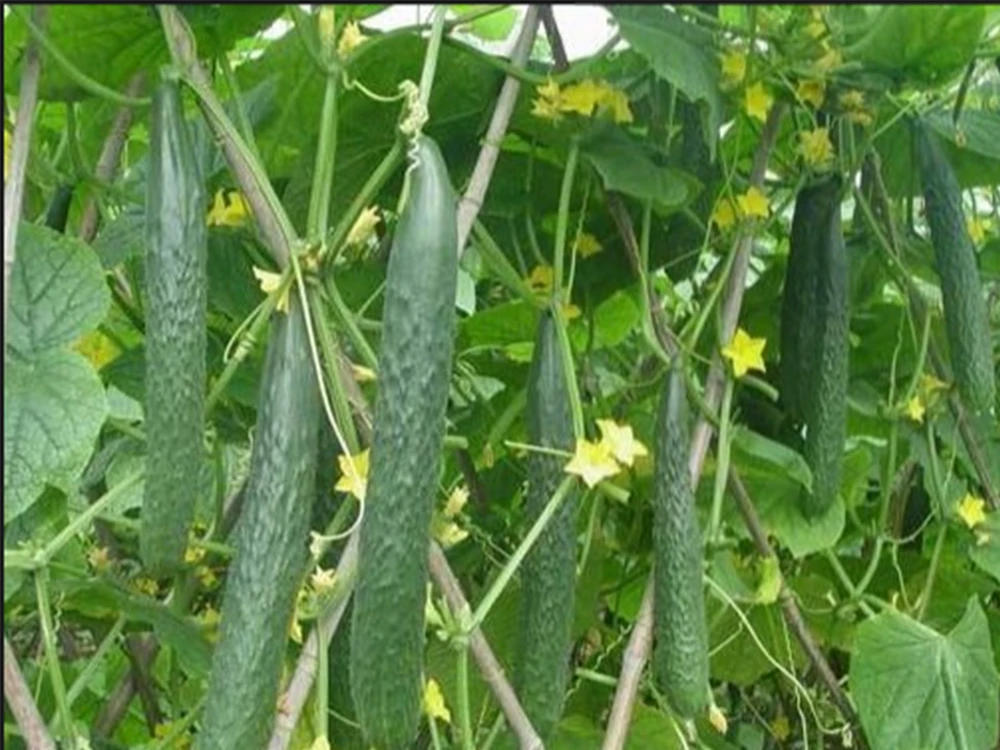
Application of hypochlorous acid generator in each link of cucumber planting
1,Seedling stage: prevention and control of seedling disease, cultivate strong seedlings
Cucumber is prone to quench disease. Blight disease, downy mildew and other diseases. Especially in the high temperature and humidity environment of the seedbed. The pathogen is easy to spread quickly.
Application method: Hypochlorous acid solution with effective chlorine concentration of 50-100mg/L was prepared by hypochlorous acid generator. And the soil. Seedling tray and seedling matrix were sterilized by spray or immersion. And the immersion time was 10-15 minutes. After emergence, spray the leaves and stems of the seedlings every 3-5 days. It is appropriate to wet the front and back of the leaves when spraying. Which can effectively kill the pathogenic bacteria on the leaves and prevent the diseases at the seedling stage.
Application effect: Compared with the traditional disinfection of formaldehyde and carbendazim. The hypochlorous acid solution has no residue and will not cause damage to the root system of seedlings. The incidence of disease in the seedling stage can be reduce by more than 60%. And the survival rate of seedlings can be increase to more than 95%.
2,Colonization period: improve soil environment, prevent soil-borne diseases
Soilborne pathogens such as Fusarium wilt and root-knot nematode are easily accumulate in the soil when cucumber is planted continuously. Resulting in dead trees and rotten roots after colonization.
Application method: Before colonization. Hypochlorous acid solution with effective chlorine concentration of 100-150mg/L was prepare by hypochlorous acid generator. And the planting plots were irrigate or irrigate with an dosage of 200-300L per mu, which could kill pathogenic bacteria and insect eggs in the soil. During colonization. The cucumber seedling roots were immerse in 50mg/L hypochlorous acid solution for 5 minutes. And the hypochlorous acid solution was add when watering the root water after colonization to maintain the available chlorine concentration in the soil at 30 to 50mg/L.
Application effect: It can effectively reduce the number of pathogenic bacteria in the soil. Improve the soil microecological environment. Reduce the dead tree rate by more than 70% after colonization. And make the root system develop more robustly. And shorten the seedling delay time by 2-3 days
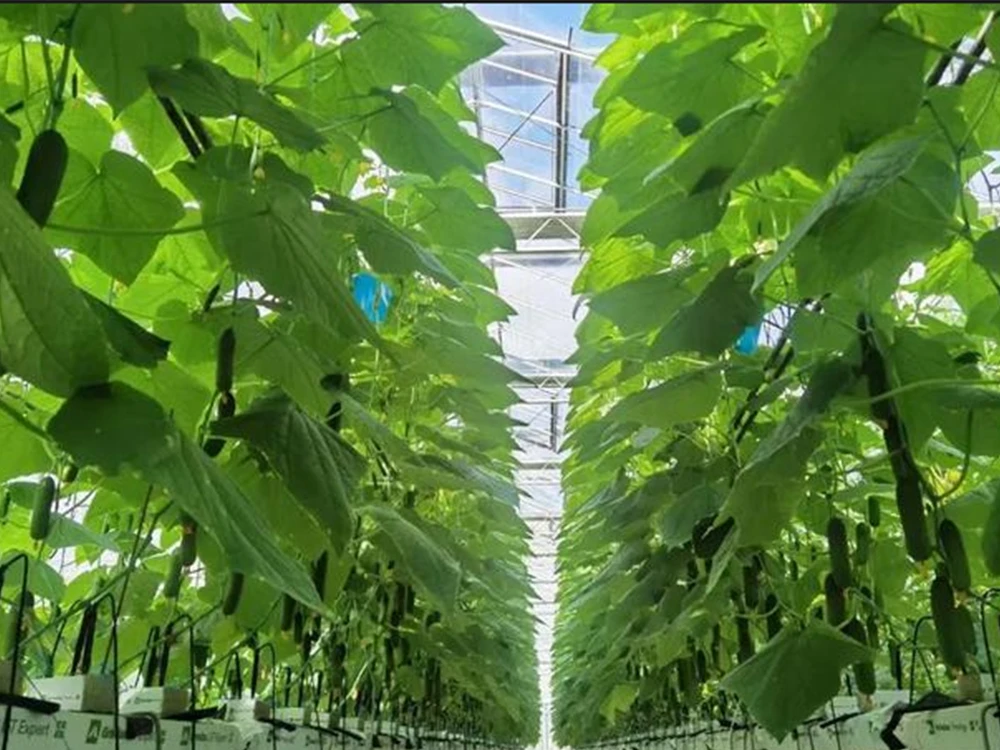
3,Growth period: prevention and control of foliar diseases, reduce pesticide use
Cucumber growth period (flowering and fruit set period to harvest period) is a high incidence of diseases, downy mildew, powdery mildew, anthrax and other foliar diseases prone to large areas of outbreak, traditional planting requires frequent spraying of chemical pesticides, easy to cause pesticide residues.
Application method: According to the occurrence of disease, use hypochlorous acid generator to prepare 80-100mg/L hypochlorous acid solution, spray cucumber leaves, stems and fruits every 5-7 days, and shorten the disease peak period to 3 days; If symptoms of disease have occurr, the effective chlorine concentration can be increase to 100-150mg/L, continuous spray 2-3 times, each time 1-2 days. Spray time is chosen in the morning or evening, avoid spraying under high temperature and strong light at noon, to prevent rapid decomposition of hypochlorous acid.
Application effect: It can effectively inhibit the propagation of foliar pathogenic bacteria, reduce the use of chemical pesticides by more than 60%, and the qualified rate of cucumber fruit pesticide residue detection is 100%. At the same time, hypochlorous acid solution can clean the leaf surface, improve the photosynthetic efficiency, and increase the number of fruit sets per plant by 1-2.
4,Harvest and fresh-keeping period: extend shelf life, ensure quality and safety
Cucumber is easy to rot and deteriorate due to pathogen pollution after harvesting, which shortens the shelf life. Traditional preservation methods mostly use chemical preservative, which has security risks.
Application: 1 to 2 days before harvesting, use 50mg/L hypochlorous acid solution to spray the fruit disinfection; After harvesting, the cucumber is soak in 30-50mg/L hypochlorous acid solution for 3-5 minutes, and then removed and dry before packaging, which can effectively kill the pathogenic bacteria on the fruit surface.
Application effect: Compare with untreated cucumber, the fresh-keeping period can be extend by 3-5 days, the decay rate can be reduce by more than 80%, and there is no chemical residue, which meets the safety standards of fresh agricultural products.
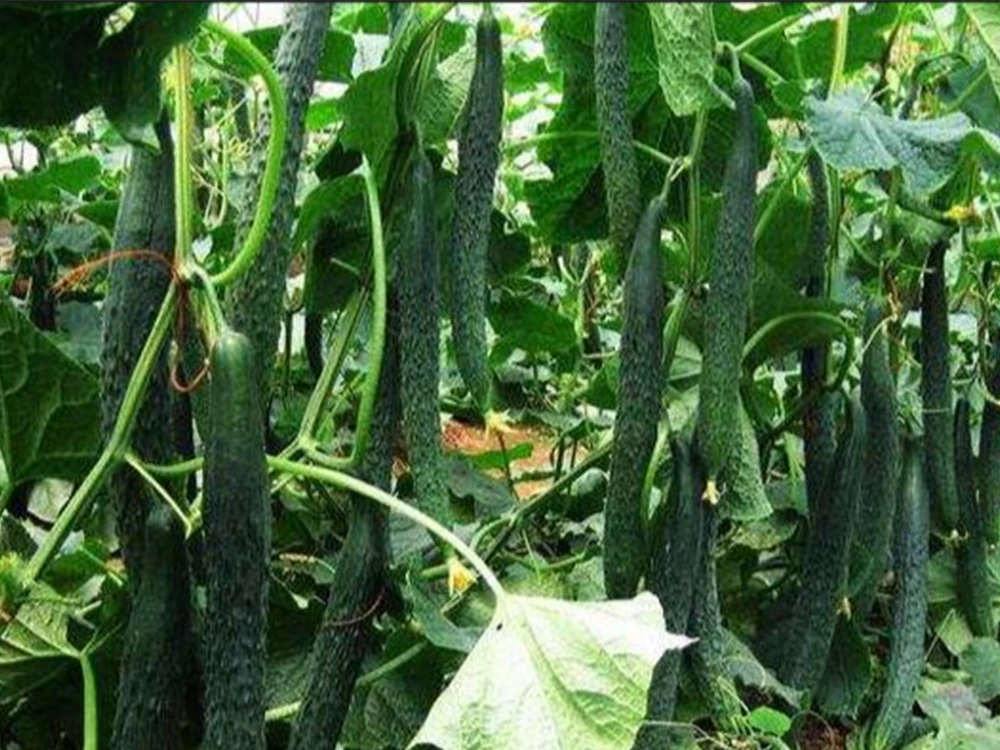
The application of hypochlorous acid generator in cucumber planting can realize green disinfection and sterilization of the whole cycle from seedling to harvest. On the one hand, it can greatly reduce the use of chemical pesticides, reduce the risk of pesticide residues, and improve the quality and market competitiveness of cucumber. On the other hand, reduce the incidence of disease, cucumber per mu yield can be increase by 15%-20%, while saving pesticide procurement, artificial spraying costs, comprehensive per mu increase of 800-1200 yuan. In addition, the hypochlorous acid solution has no residue and no pollution, which meets the requirements of agricultural green development and is of great significance to protect the soil and ecological environment.
