

In cherry tomato cultivation. Growers have long faced a severe challenge. How to ensure efficient sterilization and disinfection while upholding their commitment to food safety and the ecological environment? The shadow of chemical pesticide residues. The increasing resistance of pathogens. And consumers’ desire for pure food are all driving innovation in agricultural disinfection technology. In this silent revolution. Hypochlorous acid generators are quietly emerging. Offering a highly efficient, safe, and environmentally friendly new solution for cherry tomato cultivation with their unique advantages.

Hypochlorous acid: not ordinary chlorine
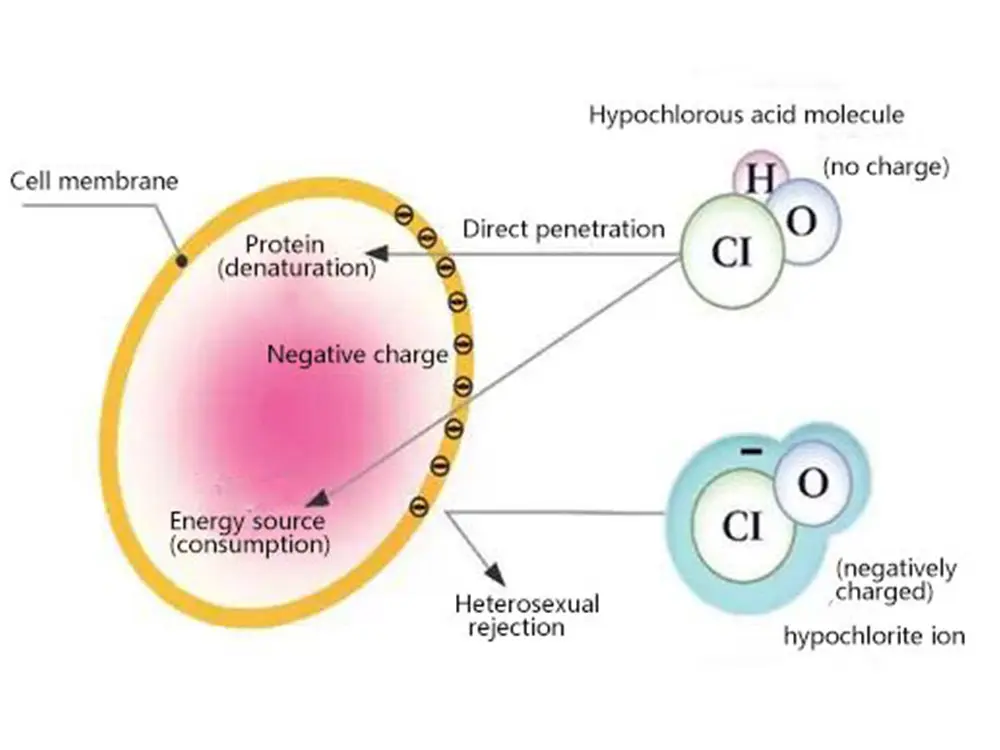
Hypochlorous acid (HClO) is a natural weak acid composed of hydrogen, chlorine, and oxygen. Its most remarkable characteristic lies in its powerful microbial-killing ability. Unlike traditional chlorine-containing disinfectants (such as sodium hypochlorite, i.e., bleach). Hypochlorous acid molecules are extremely small and electrically neutral. Allowing it to rapidly penetrate the cell walls of microorganisms. Destroying their internal structure and effectively killing bacteria, viruses, fungi, and spores within tens of seconds. More importantly, after completing its mission, it decomposes only into water and trace amounts of chloride. Leaving no toxic residue and making it extremely environmentally friendly.
Cherry tomato cultivation is complex. With each stage, from seedling raising and growth to post-harvest processing. Posing potential risks of disease. Fungal diseases such as gray mold, leaf mold, and late blight, as well as bacterial diseases like canker. Can cause severe yield reductions or even crop failure. Hypochlorous acid generators, through the electrolysis of dilute salt or hydrochloric acid solutions. Can instantly produce stable and pure hypochlorous acid disinfectant on-site. Providing growers with a “green umbrella” throughout the entire industry chain.
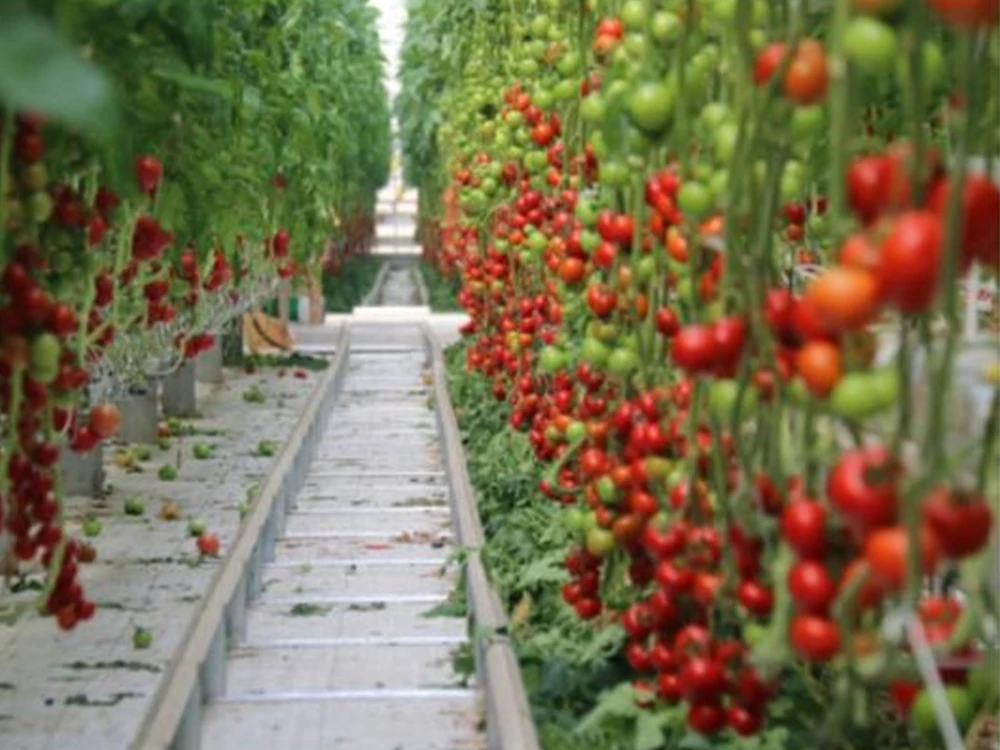
Hypochlorous acid generator throughout the industrial chain of green protection
1,Disinfection of planting environment and equipment: laying the foundation for health
Before planting, comprehensive spray or immersion disinfection of greenhouses, greenhouses, seedling trays, irrigation pipes and other facilities can significantly reduce the initial base of pathogenic bacteria in the environment and create a “clean” starting environment for cherry tomatoes seedlings. Its non-corrosive nature (at appropriate concentrations) also protects expensive agricultural facilities.
2,Irrigation water treatment to block the spread of soil diseases and pests
By injecting hypochlorous acid into the irrigation system (drip irrigation or sprinkler irrigation), it can effectively kill pathogens (such as Fusarium, rot mold) in the water source and prevent the occurrence of soilborne diseases such as root rot and bacterial wilt. At the same time, it will not destroy the balance of soil microbial flora like some chemical agents, which is conducive to soil ecological health.
3,Foliar spray: precise pest control
In the early stage of disease occurrence or as a preventive measure, the use of low-concentration hypochlorous acid solution for foliar spray can directly inhibit and kill pathogenic bacteria on the leaf surface, and prevent and control ash mold, leaf mold and other air-borne diseases. Its safety allows for more flexible use during harvest intervals, reducing the pressure on growers to apply medication.
4,Preservation after picking: the key to extending shelf life
After harvesting cherry tomatoes are easy to cross infection during cleaning, sorting, storage and transportation, resulting in decay. Washing, soaking or spraying with hypochlorous acid solution can greatly reduce the microbial load on the fruit surface and delay spoilage, while maintaining the color, hardness and flavor of the fruit, significantly extending the shelf life.
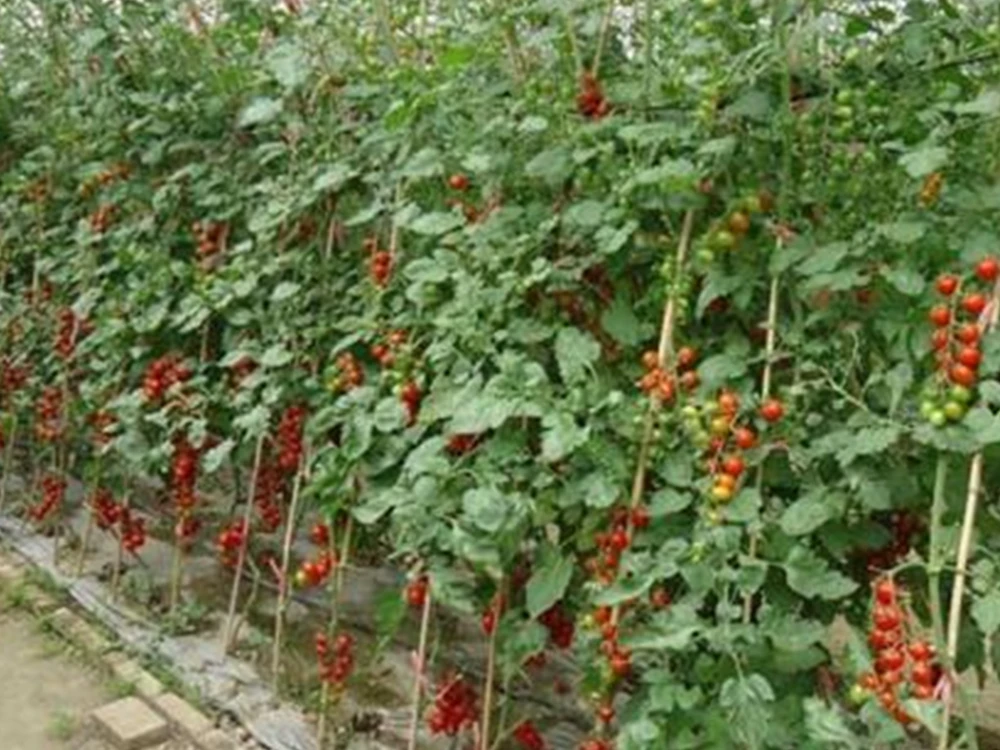

Hypochlorous acid generator incomparable three major advantages
Compared with traditional pesticides and disinfection methods, the application of hypochlorous acid generator in cherry tomatoes cultivation has brought a fundamental change:
- Excellent safety: the decomposition product is non-toxic, no harmful residues, fully in line with the world’s most stringent agricultural product safety standards (such as Chinese green food, EU organic standards, etc.), to ensure “safety on the tip of the tongue”. It is also more friendly to operators and much less irritating than traditional chlorine preparations.
- Amazing efficiency: broad spectrum sterilization, rapid effect, and no obvious pathogen resistance report has been found, solving one of the biggest problems of chemical pesticides.
- True environmental protection: from production to decomposition, does not pollute soil and water, does not harm beneficial insects, is an ideal choice for the development of sustainable ecological agriculture.
FAQ
Does hypochlorous acid damage soil ecology or affect crop growth?
Rational use of hypochlorous acid will not cause significant negative effects on soil ecology.
- Decomposition characteristics: Hypochlorous acid in light or contact with organic matter quickly decomposed, not easy to accumulate in the soil.
- Soil microorganisms: Low concentrations mainly target pathogenic bacteria and have little effect on beneficial microbial groups, but frequent root irrigation with high concentrations should be avoided.