

Recently, a batch of highly efficient hypochlorous acid generators for animal husbandry was sent from China to South America. Which will be applied to the space disinfection and deodorization management of livestock and poultry houses in local large-scale breeding enterprises. At the same time the introduction of this technology marks an important step in the biosecurity and environmental control of the South American livestock industry.
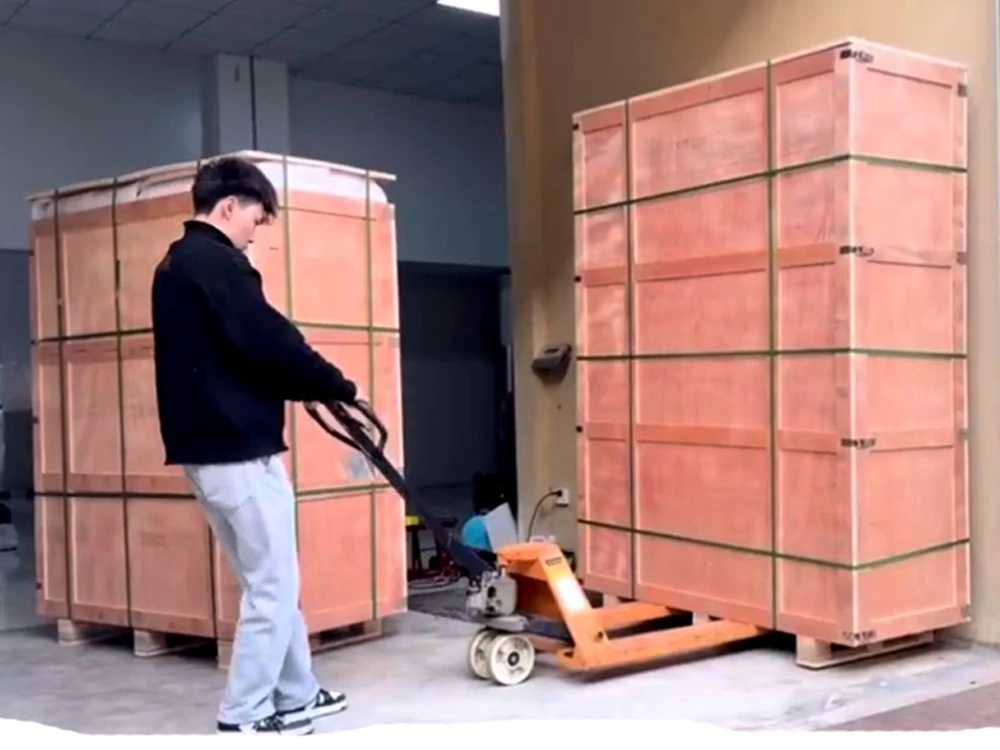
Hypochlorous acid generator solves the core problem of breeding
The hypochlorous acid generator for export adopts advanced electrolysis technology. And only salt and water can be use to prepare efficient disinfection solution on site. The equipment is design for the livestock environment and has the following outstanding advantages:
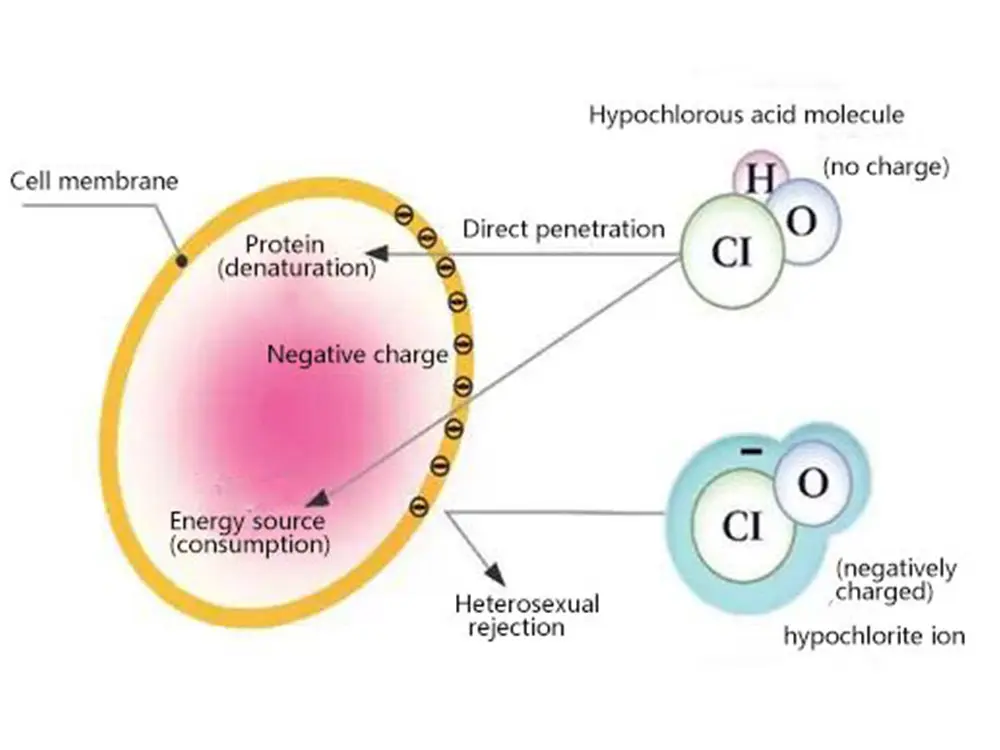
Efficient disinfection capacity: The generated hypochlorous acid solution can effectively kill bacteria. Viruses and fungi in livestock houses. Including common pathogens such as avian influenza and African swine fever. And the disinfection efficiency is 80-100 times that of traditional chlorine preparations.
Excellent deodorization performance: through oxidative decomposition of ammonia. Hydrogen sulfide and other malodor substances. Solve the odor problem of the farm from the source. Improve the air quality in the house, and enhance animal welfare.
Safety and environmental protection characteristics: hypochlorous acid decomposes into water and trace salts after disinfection and deodorization. Without harmful residues, safe for animals and operators. In line with the sustainable development requirements of modern animal husbandry.

Custom designed to suit South American farming needs
According to the climate characteristics and breeding mode of South America. This batch of hypochlorous acid generator equipment has made a number of adaptive improvements:
- Enhanced corrosion resistant material, suitable for high humidity environment
- Intelligent concentration adjustment system can automatically adjust the output concentration according to different disinfection requirements
- Modular design, easy to deploy in large farms
- Remote monitoring function, centralized management

Hypochlorous acid generator for animal husbandry case demonstration
Carlos Mendoza, vice president of the Chilean Poultry Farmers Association, said, “The hypochlorous acid generator made in China provides us with a cost-effective disinfection solution. This is critical to improving our biosecurity and addressing disease challenges. While also helping us meet increasingly stringent environmental protection requirements.
“This on-site preparation of disinfectants reduces the risk of transporting and storing chemicals and is especially suitable for our vast farms,” said an official from Argentina’s Livestock Development Agency. “We expect this technology to strike a good balance between improving production efficiency and protecting the environment.”
FAQ
For pig farms using hypochlorous acid generators, is it better to use electrolyzed salt or electrolyzed hydrochloric acid?
In the pig farm disinfection scenario, electrolytic salt technology is a more universal, safer and more feasible option, especially suitable for medium and large-scale pig farms and scenarios that focus on pig disinfection. Its advantages of easy raw material acquisition, simple maintenance and high biological safety can effectively reduce the compliance risks and operational costs of pig farm disinfection. The electrolytic hydrochloric acid technology is more suitable for customers with easily accessible raw materials.
In conclusion: Before selecting the equipment, pig farms should consider their own scale, disinfection scenarios, compliance conditions and budget. They should prioritize choosing equipment that supports “adjustable concentration” (such as electrolytic salt equipment can produce disinfectant solutions with concentrations ranging from 50 to 800 mg/L), to meet the disinfection needs of different areas. At the same time, regardless of which technology is chosen, it is necessary to ensure that the equipment has the core capability of “stably generating high-purity hypochlorous acid” (with a purity of hypochlorous acid greater than 80%), to avoid the impact on disinfection effectiveness and pig health due to excessive by-products.