

Water treatment industries rely heavily on sodium hypochlorite for effective disinfection. However, operators must choose between two main supply methods: purchasing commercial sodium hypochlorite solution or generating it on-site. Understanding the differences helps you make the best operational choice.
Understanding the Difference
Commercial sodium hypochlorite solution comes from chemical suppliers in drums or bulk tankers. These commercial products usually offer concentration levels of 5%, 10%, 11%, or 13%. Furthermore, suppliers categorize them into industrial grade for wastewater treatment and food grade for drinking water supplies.
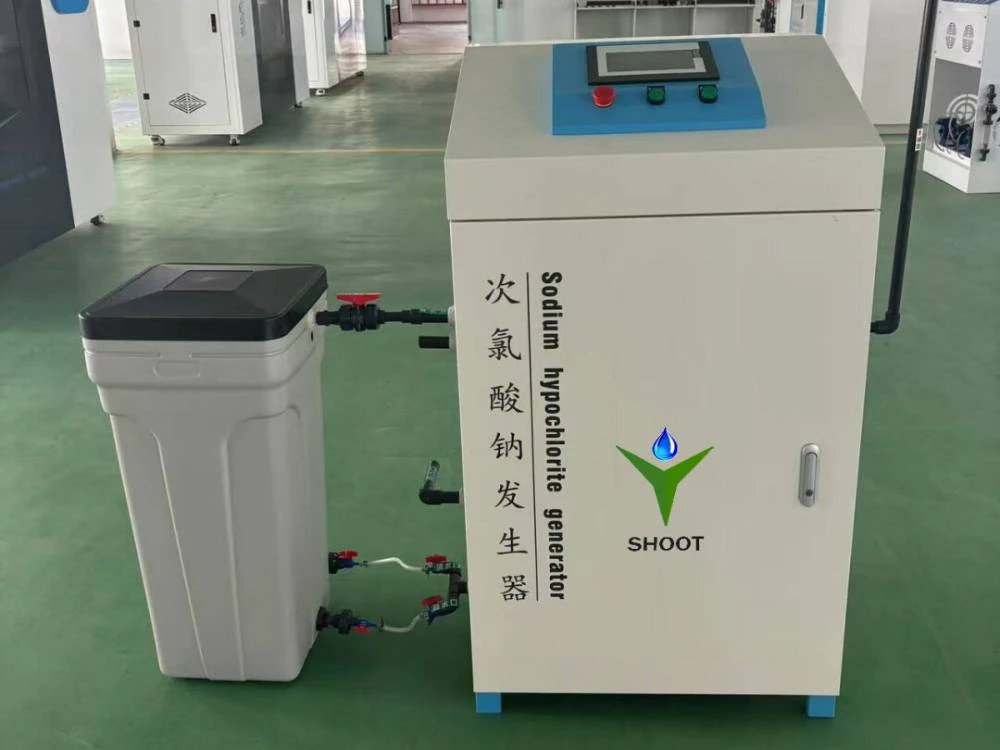
On the other hand, on-site sodium hypochlorite generation produces a fresh, low-concentration sodium hypochlorite solution directly at your facility. A sodium hypochlorite generator uses direct current electricity to electrolyze a diluted brine (saltwater) solution. This process creates a stable, effective disinfectant right when and where you need it.
Key Advantages of On-Site Generation
Why should facilities switch from commercial liquid to on-site generation? On-site production offers significant benefits in safety, stability, and operating costs.
First, commercial sodium hypochlorite solution degrades rapidly over time. High concentration solutions lose active chlorine during storage, especially in warm weather. In contrast, a sodium hypochlorite generator produces fresh solution on demand. Consequently, your disinfection strength remains completely consistent.
Second, chemical safety improves dramatically. High-concentration commercial solution releases dangerous chlorine gas during decomposition. It can also cause severe burns and chemical spills. However, a sodium hypochlorite generator produces a mild, non-hazardous solution below 1% concentration. Therefore, your staff faces no toxic transport or hazardous chemical handling risks.
Third, long-term costs decrease. Purchasing and transporting heavy liquid chemicals requires high transportation fees. Salt and electricity cost far less than pre-made commercial chemicals. As a result, investing in a sodium hypochlorite generator reduces long-term operational expenses significantly.
Advantages and Features of Our Sodium Hypochlorite Generator
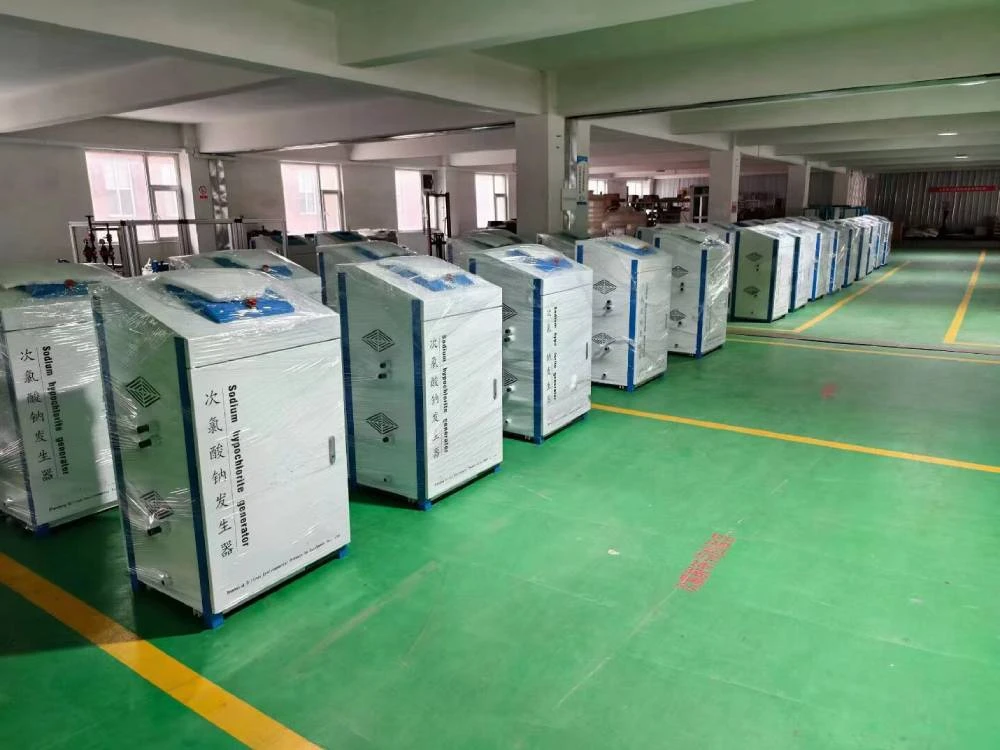
Our advanced sodium hypochlorite generator provides reliable, automated, and efficient disinfection for modern water plants. We designed our system to deliver maximum value and peace of mind.
High Electrolytic Efficiency: Our sodium hypochlorite generator features premium titanium electrodes with specialized coatings. Therefore, it optimizes power consumption and reduces salt usage.
Fully Automated Control: The integrated smart control system monitors brine concentration, voltage, and liquid levels automatically. Thus, operators do not need constant manual oversight.
Compact, Modular Design: Our sodium hypochlorite generator fits easily into existing treatment rooms. Consequently, installation is fast and hassle-free.
Maximum Safety System: Built-in hydrogen ventilation and safety interlocks prevent hazardous gas buildup. Hence, your facility operates with complete safety at all times.
Conclusion
Commercial sodium hypochlorite solution carries storage risks, degradation losses, and high delivery costs. Conversely, producing disinfectant with a sodium hypochlorite generator guarantees a fresh, safe, and cost-effective supply. Upgrade to our state-of-the-art sodium hypochlorite generator today to simplify your disinfection process!
FAQ
Why is on-site generation safer than using commercial liquid chemical drums?
High-concentration commercial sodium hypochlorite solution is hazardous to store and handle. It releases corrosive chlorine fumes, degrades rapidly in warm storage, and poses extreme risks during transportation and manual handling.
By contrast, an on-site sodium hypochlorite generator produces a non-hazardous, low-concentration solution on demand. You eliminate hazardous chemical transport, bulky liquid chemical storage, and dangerous chemical spills or off-gassing.