

Under the background of increasing awareness of food safety and green development of agriculture. How to reduce the use of chemical pesticides has become a common issue faced by global agriculture. Although traditional chemical pesticides have a remarkable effect on disease control. Their disadvantages such as residue problems. Environmental hazards and drug resistance of pathogens have become increasingly prominent. In recent years. A substance called “hypochlorous acid” is causing widespread concern in agricultural science and technology workers. It is expected to become an ideal alternative to traditional pesticides. In this paper, we will systematically explain why hypochlorous acid can replace pesticides in agricultural planting from the perspective of sterilization mechanism, safety and application effect.

Hypochlorous acid has a unique bactericidal mechanism: to eliminate pathogenic bacteria from the root
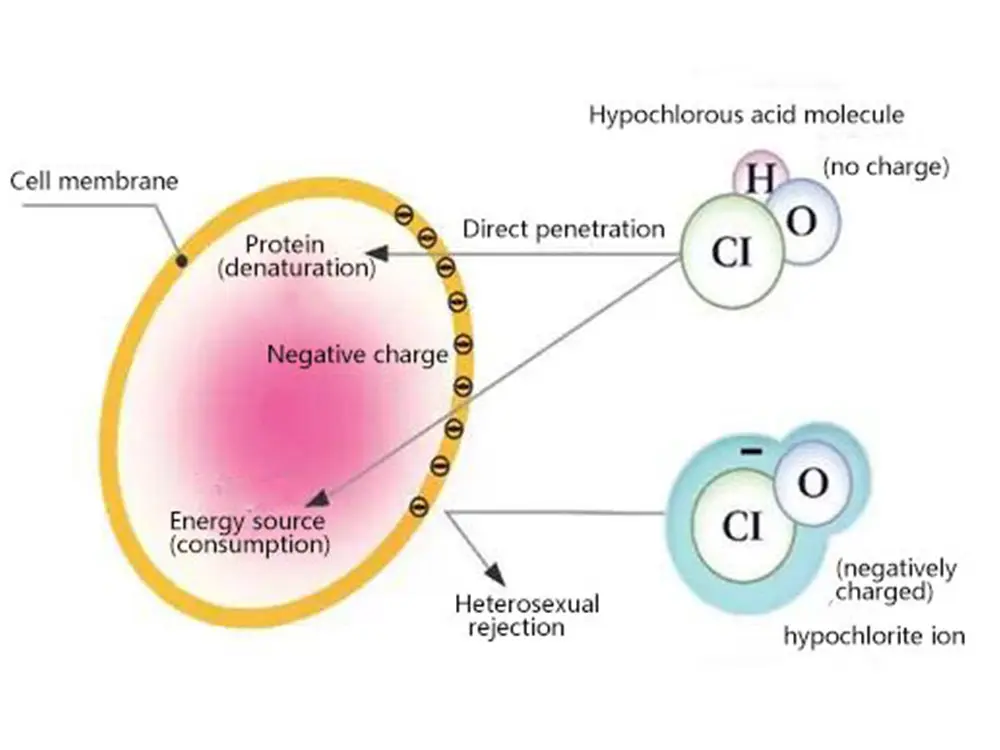
Hypochlorous acid can effectively control plant diseases. The key lies in its unique sterilization mode. Hypochlorous acid has small molecular weight. Is electrically neutral. Has strong cell wall penetration ability. And can directly enter the inside of pathogenic microorganisms. Through strong oxidation. It destroys the cell membrane of pathogenic bacteria. leading to the leakage of nucleic acid and protein inside the bacteria. At the same time, it can also make the oxidation reaction of bacterial protein, nucleic acid and enzyme. Hinder the metabolism of pathogenic bacteria, and eventually kill them
Taking kiwifruit bacterial canker as an example. Studies show that trichloroisocyanuric acid (TCCA, a slow-release hypochlorous acid fungicide) at the concentration of 500mg/L. Can quickly remove the pathogen that has been established in kiwifruit leaves and branches. The disease inhibition rate reaches more than 90%. And the control effect is far more than copper hydroxide. Chlorothalonil and other traditional pesticides. It is worth mentioning that hypochlorous acid can also significantly down-regulate the virulence genes of pathogens. Including biofilm formation genes, motion-related genes, etc., and weaken the pathogenic ability of pathogens. This multiple mechanism of action makes it difficult for pathogens to develop resistance to hypochlorous acid.
Hypochlorous acid has excellent safety: it guarantees agricultural products and ecological safety from the source
The most worrying issue of traditional chemical pesticides is pesticide residues and damage to the environment. Hypochlorous acid has a natural advantage in this regard. Hypochlorous acid will be quickly reduced to ordinary water after interaction with pathogenic microorganisms, and there is no residue and pollution in the environment. This characteristic makes it have a broad application prospect in the fields of agricultural product cleaning and post-harvest treatment.
In terms of safety, hypochlorous acid is excellent. Taiwan Mingdao University’s research shows that the slightly acidic electrolytic hypochlorous acid water is reduced to water after contact with organisms, does not produce chloroform and other carcinogens, and is harmless to people and the environment. Strawberry planting practice in Shanghai Qingpu district has also confirmed that drip irrigation with non-electrolytic slightly acidic hypochlorous acid water has not only good sterilization effect, but also non-toxic and harmless, no residue, which meets the requirements of green planting. Because of this, trichloroisocyanuric acid has been included in the AA class green food production standard of our country (NY/T393-2013), and can be used as an ideal substitute for high residual chemical pesticides.

Hypochlorous acid has a wide range of application scenarios: covering the whole planting process
Hypochlorous acid is use in agricultural planting almost throughout the entire production process, demonstrating strong adaptability.
Seedling Stage: Hypochlorous acid can be use for cleaning and disinfecting seed trays and for seed treatment. Soaking and recycling seed trays with appropriate concentrations (>80 ppm) of hypochlorous acid water can effectively kill residual pathogens; soaking seeds at low concentrations (<20 ppm) or watering after sowing can not only kill pathogens carried by seeds and substrate, but also soften the seed coat, promote germination, and avoid the “seedling suppression” phenomenon that may occur with traditional triazole pesticides.
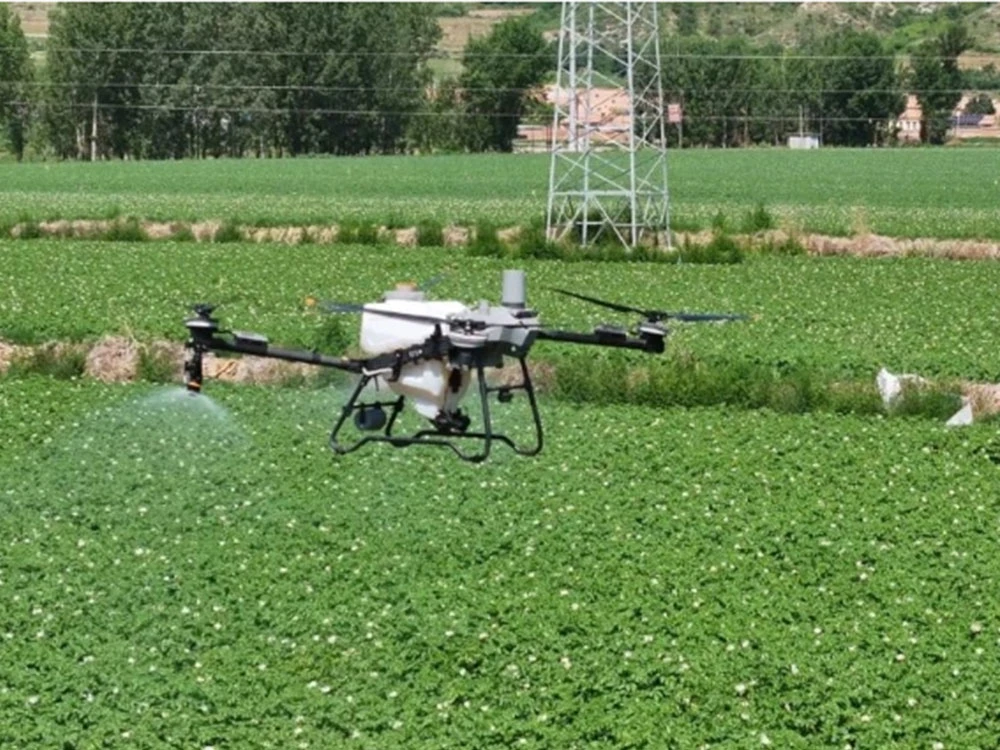
Field Management Stage: Hypochlorous acid can be use for disease control and soil improvement. Strawberry planting practices show that regular drip irrigation with low-concentration, non-electrolyzed, slightly acidic hypochlorous acid water can effectively control diseases such as anthracnose and Verticillium wilt, increasing the survival rate of strawberry seedlings from less than 70% to over 80%. In the treatment of soils with continuous cropping obstacles, electrolyzed hypochlorous acid water can not only disinfect the soil, but also improve soil aggregate structure and activate harmful substances in compacted soil through the hydrogen and oxygen it carries. Research by Dr. Xiao Wei’s team at Southwest University of Science and Technology shows that the scientific use of water electrolysis technology in agriculture can reduce the use of chemical pesticides by more than 50%.
Post-harvest treatment: Hypochlorous acid also performs excellently. Agricultural trials in Taiwan show that soaking the surface of guava fruits in 40ppm hypochlorous acid water can reduce the incidence of storage diseases by 50%, effectively improving the quality of exported fruit upon arrival. This application avoids the use of post-harvest chemical fungicides while meeting consumers’ demands for food safety.
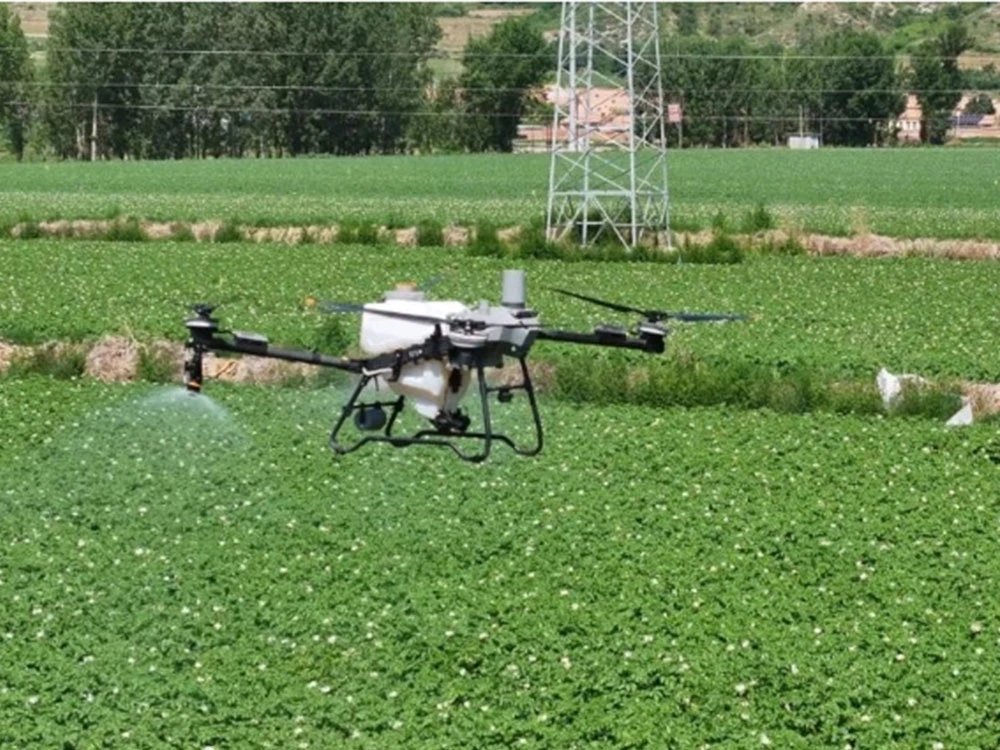
The application of hypochlorous acid instead of traditional pesticides has multiple positive meanings. Firstly, it helps to reduce the dependence of agricultural production on chemical pesticides and reduce the ecological environmental load. Secondly, hypochlorous acid production cost is low, and it is suitable for use in orchard disinfection, seedling treatment, field disease prevention and control, which can help farmers reduce production costs and improve economic benefits. Thirdly, hypochlorous acid technology conforms to the national strategic orientation of “pesticide zero growth” and “carbon neutrality”, and is regard as an important scientific and technological support for agricultural green development