

Are your current sanitation methods secretly failing your food processing plant? Traditional chemicals like bleach often leave harmful residues, yet contamination outbreaks still threaten your bottom line. Fortunately, a safer, smarter solution is taking over the industry: Hypochlorous Acid (HOCl).
The Hidden Cost of Outdated Cleaners
Do you know how much money traditional sanitizers waste every single year? Chemical corrosion damages expensive processing equipment, while harsh fumes create hazardous environments for your hardworking staff. Furthermore, standard disinfectants often fail against stubborn biofilms. Consequently, food safety managers find themselves trapped in an endless cycle of rising costs and mediocre results. As a result, efficiency drops significantly across the board.
Why HOCl is a Game-Changer
What if you could generate powerful, food-safe disinfectant right on-site for pennies? Unlike conventional harsh chemicals, HOCl is 100 to 300 times more effective than chlorine bleach, while remaining 100% non-toxic and eco-friendly. Specifically, scientific studies show that HOCl eliminates 99.9% of pathogens—including Listeria, Salmonella, and E. coli—in less than 30 seconds. In addition, it requires no hazardous rinsing, meaning your facility saves massive amounts of water and labor time daily.
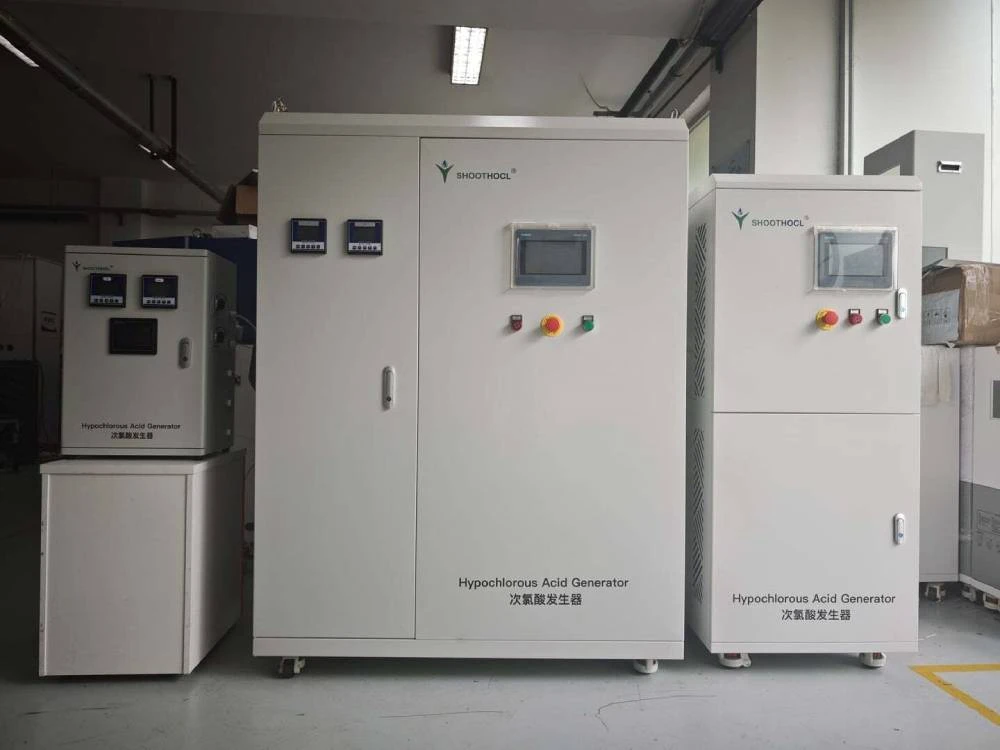
Upgrade Your Facility Today
Are you ready to revolutionize your plant hygiene and boost your audit scores effortlessly? Therefore, investing in an advanced on-site HOCl generator is the smartest move for your business. Ultimately, you will protect your consumers, safeguard your brand reputation, and slash operational costs by up to 70%. For this reason, forward-thinking manufacturers are making the switch right now.
Contact our experts today to get a customized HOCl generator quote for your processing plant!
FAQ
How much can our facility save by switching to on-site generation?
By producing HOCl on-site using only salt, water, and electricity, processing plants typically reduce chemical purchasing, transportation, and bulk storage costs by up to 70%.