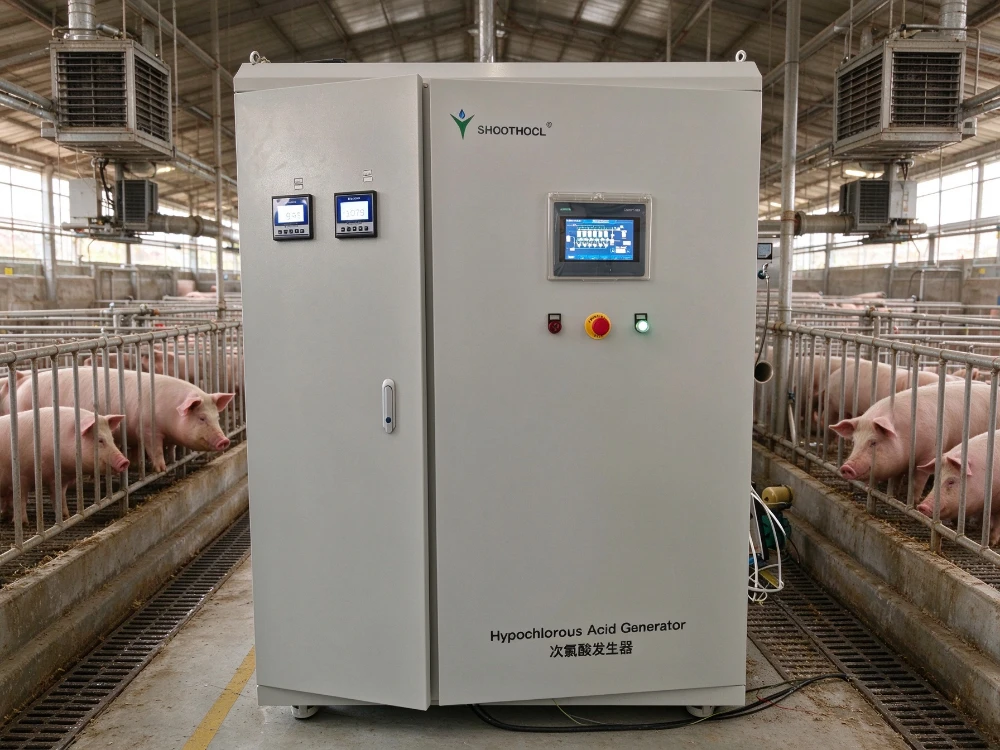

Pig farms face tough biosecurity and air quality challenges every single day. Ammonia and hydrogen sulfide build up fast inside enclosed barns. These gases create sharp, unpleasant odors and trigger respiratory stress among pigs. Besides odor issues, viruses, bacteria and fungi spread quickly through air, feed lines and floor surfaces. Once disease breaks out, farmers lose stock and also spend heavily on vet bills and quarantine work. Traditional chemical disinfectants add more trouble. They carry storage risks, leave unwanted residues, and also only mask odors instead of breaking them down. For these reasons, more commercial swine operations install hypochlorous acid generators to make fresh hypochlorous acid on location.
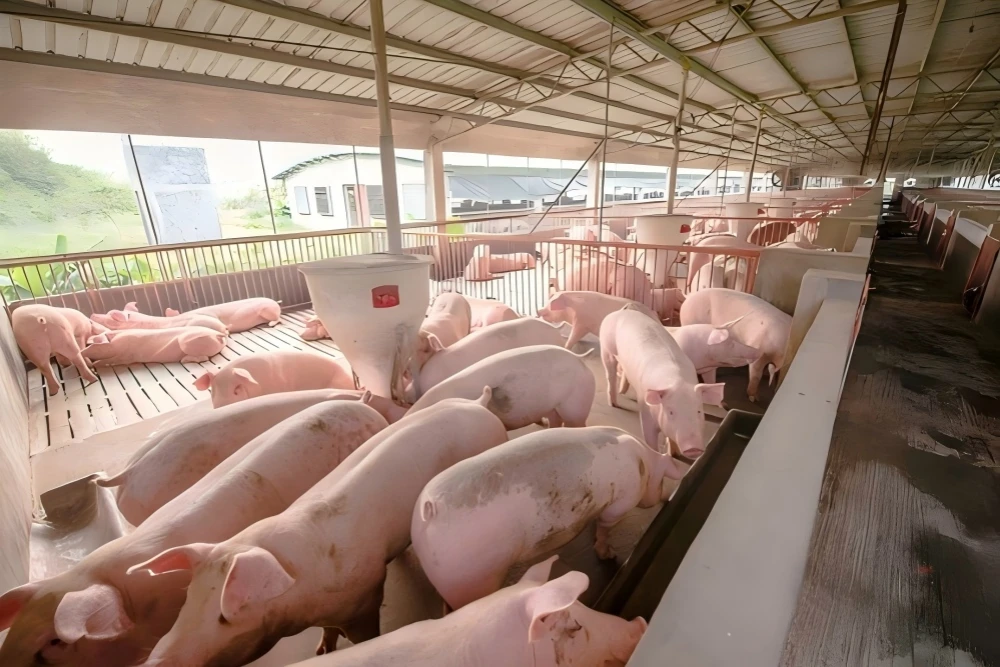
Stop Airborne Pathogens and Cut Harmful Barn Odors At The Source
First, on-site HOCl does not cover bad smells with fragrance. It oxidizes ammonia and sulfide molecules and turns them into harmless water and salt. Meanwhile, fine mist spreads evenly across the barn space. It kills airborne pathogens before they reach your herd. You can run the mist system while pigs stay inside, and you do not need to empty houses for disinfection. This steady control lowers respiratory cases and stabilizes daily weight gain.
Remove Chemical Hazards and Simplify Your Farm Sanitation Workflow
Next, hypochlorous acid generators only need water, salt and electricity to make HOCl. You skip repeated bulk chemical orders, dangerous warehouse storage and also complex dilution steps. Your team avoids handling corrosive liquid disinfectants. The ready-to-use HOCl solution works for many farm tasks. You spray barn walls, slatted floors, feed troughs and transport vehicles. You also treat drinking water and clean boot dips at farm entry points. All these tasks rely on one consistent disinfectant supply.
Support Long-Term Farm Compliance and Lower Overall Operating Costs