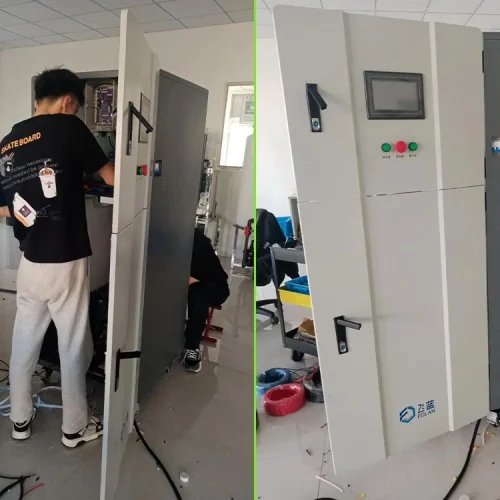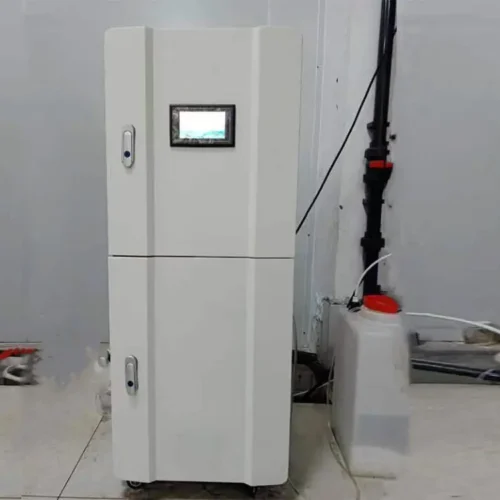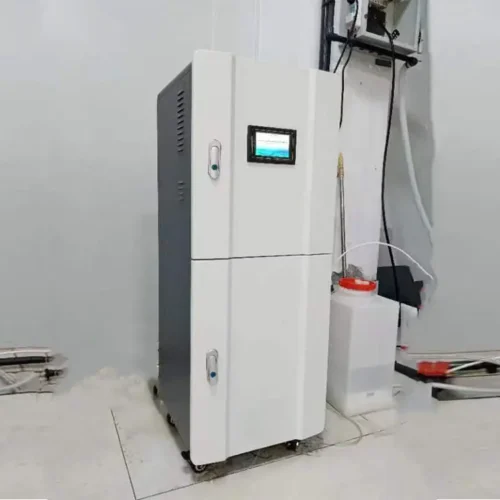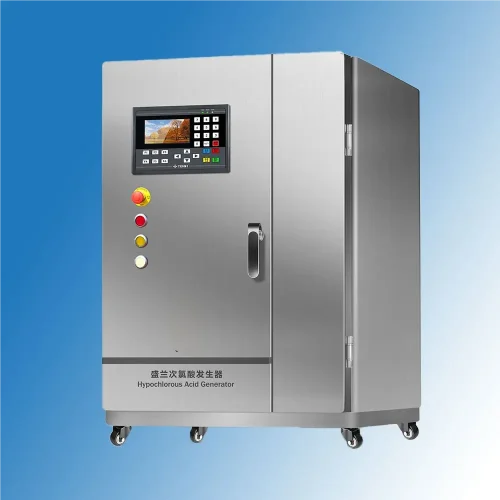


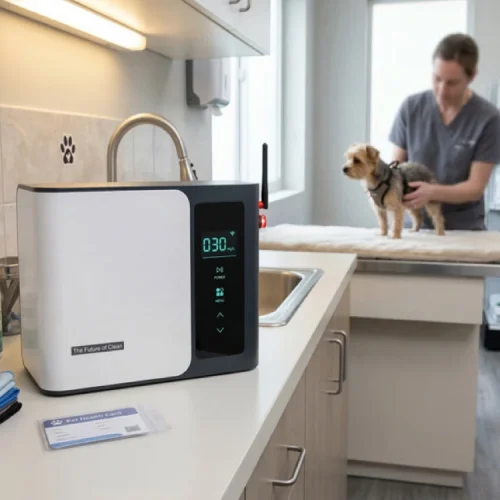
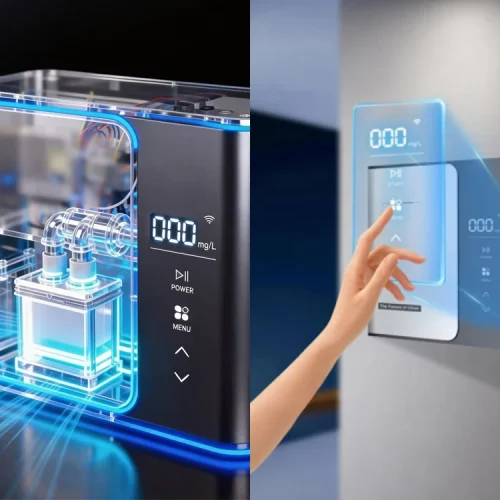




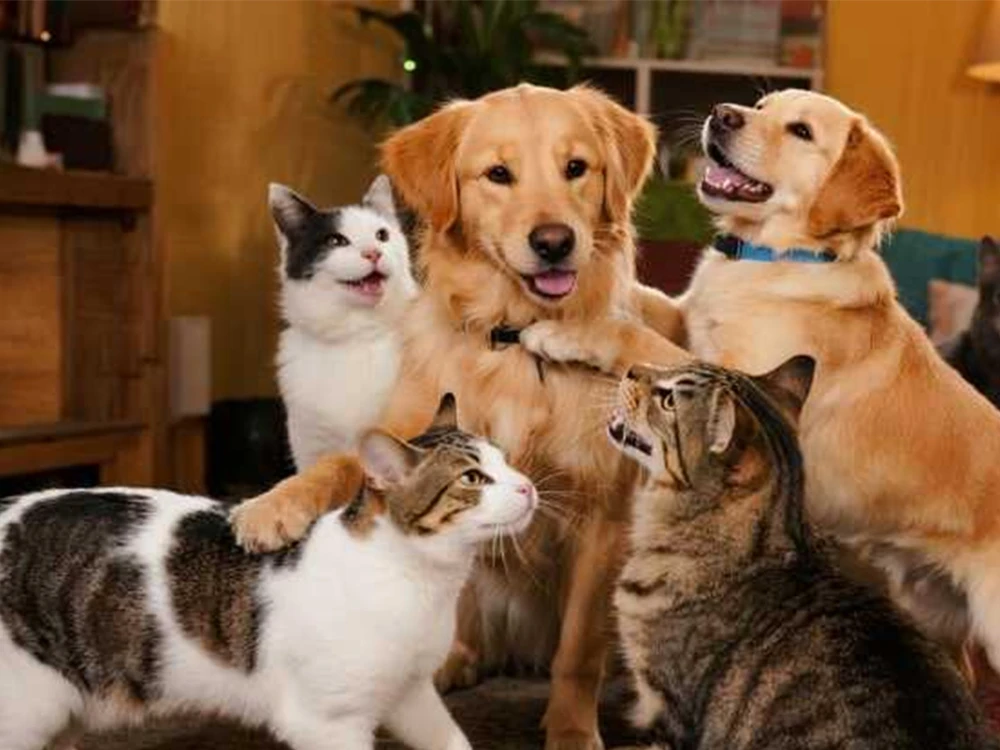
Due to pet hospitals are special medical places where dogs and cats gather — sick animals have low immunity. Complex pathogens, a high risk of cross-infection, and pet owners complain about the “bad smell.” Although traditional disinfectants can kill bacteria, they are often harsh, irritating and harmful to animals. At the same time hypochlorous acid generator is becoming the preferred disinfection equipment for more and more pet hospitals with the advantages of “safety, efficiency and deodorization”.

Disinfection dilemma in Pet Hospitals: Why aren't traditional solutions good enough?
The disinfection requirements of pet hospitals are far more complex than the general environment:
- Pathogens are diverse: canine distemper virus, feline parvovirus (cat plague), canine parvovirus, feline calicivirus, feline herpesvirus, etc., and sensitivity to disinfectants varies.
- Animal sensitivity: the sense of smell of cats and dogs is dozens of times that of humans, and the pungent odor of disinfection can cause serious stress; Cats especially love to lick their bodies, and the residual disinfectant can be toxic.
- Odor problem is prominent: animal excrement, vomit, wound secretion mixed fermentation, odor not only affects the medical experience, but also reflects the environmental cleanliness.
Many pet hospitals have used bleaching water (sodium hypochlorite), phenols, quaternary ammonium disinfectants, but these ingredients have clear harm to animals: bleaching water can irritate and erode the skin and digestive tract; Cats lack the enzymes that metabolize phenols, and accidental exposure can cause severe poisoning. The ideal solution needs to find a balance between bactericidal power and safety.
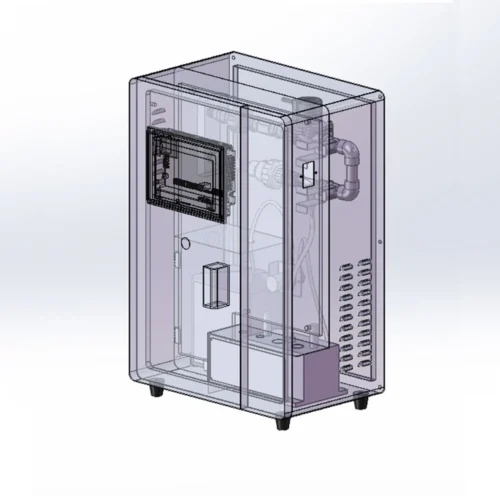
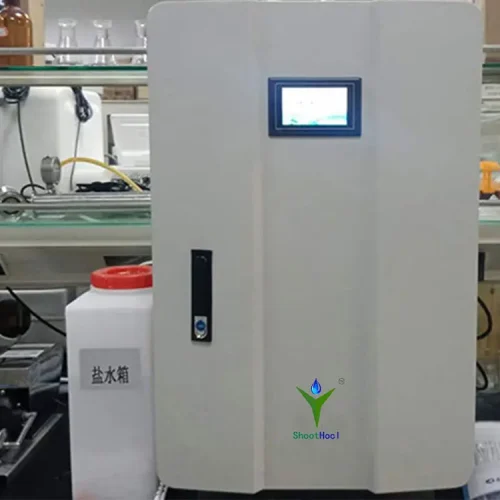
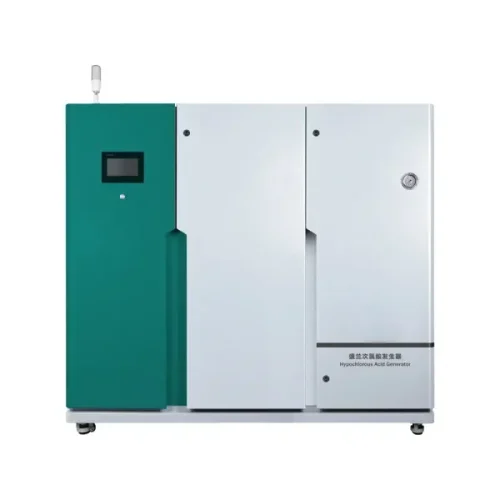
Hypochlorous acid generator parameters
| Model Name | Hypochlorous acid generator in the pet hospital application, disinfection, deodorization FL-SAEW-1000,2000,4000,6000,9000 |
|---|---|
| flow | 100L/H,200L/H,300L/H,500L/H,1000L/H(Flow can be customized) |
| Concentration | 10-1000PPM(Adjustable) |
| Electrolyte | Salt(Nacl) Or Hydrochloric acid(HCL) |
| Hypochlorous acid PH | 5-6.5 |
| Sodium hydroxide PH | 10-13.5 |
| Voltage | 220V/50Hz,380V/50Hz,110V/60Hz |
| The proportion of hypochlorous acid in ACC | >98.50% |
| Softened water system | One on standby and one in use |
| Weight | 95kg,120kg,180kg,210kg |
| Dimensions of hypochlorous acid generator | Can be customized |
Hypochlorous acid generator: A solution designed for pet hospitals
Due to the hypochlorous acid generator generates slightly acidic hypochlorous acid water (the main component is HClO) on site by electrolysis of HCL . This component is identical to the bactericidal substance naturally produced by mammalian neutrophils, and is both highly bactericidal and biocompatible.
Hypochlorous acid is highly safe for animals
At the same time after hypochlorous acid action, it is rapidly degraded into ordinary water and trace salt, and there is no harmful residue. Even if the pet licks the disinfected floor, cage or food basin, it will not be poisoned or gastrointestinal discomfort. This is in contrast to traditional sanitizers, where dogs and cats don’t need to “avoid drying time” and are free to roam after disinfection.
Hypochlorous acid is highly effective against common pathogens in pet hospitals
At the same time research and product testing show that hypochlorous acid has a strong killing effect on the main pathogenic microorganisms in the pet medical environment:
- Virus: Effectively inactivated dog parvovirus, canine distemper virus, cat parvovirus (cat plague), cat calicivirus, cat herpesvirus, etc
- Bacteria: The killing rate of E. coli, Staphylococcus aureus, Candida albicans is more than 99.99%
This level of protection is essential for sick animals with weakened immunity.
Break it down at the source, not cover it up
The odor of pet hospitals mainly comes from organic matter such as ammonia, hydrogen sulfide and thiol. Due to hypochlorous acid decomposes these odor molecules by oxidation, and kills the bacteria that produce the odor to achieve root deodorization. Therefore after spraying, the odor quickly dissipates, leaving a nearly odorless or slightly chlorine-smelling fresh air that does not stimulate the animal’s sensitive olfactory system.

The hypochlorous acid generator is multi-purpose, covering the use of a variety of scenarios in pet hospitals
- Pet itself: Instead of leaved-in foam, spray pet hair directly (avoid eyes and nose) to remove bacteria and odor on the surface.
- Cage and pad: air dry after spraying, no need to wipe twice.
- Litter box: spray the inner wall after emptying the litter to decompose the odor of urine dirt and ammonia.
- Floor and furniture: MOp the floor or wipe the pet often rub the area, block the spread of germs.
- Food bowl: Rinse after daily spraying to prevent bacterial biofilm.
FAQ
Is hypochlorous acid generator safe for pet disinfection?
Therefore hypochlorous acid is a relatively safe and effective disinfectant for pets.