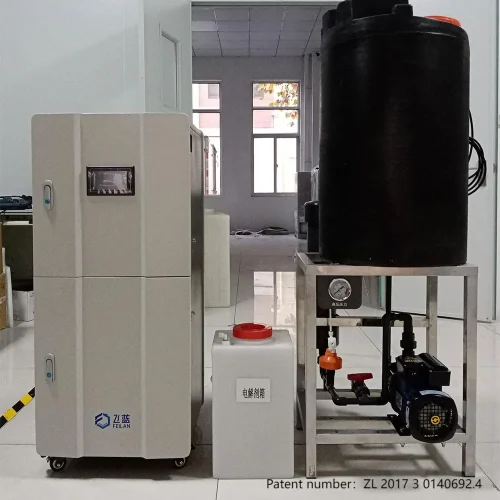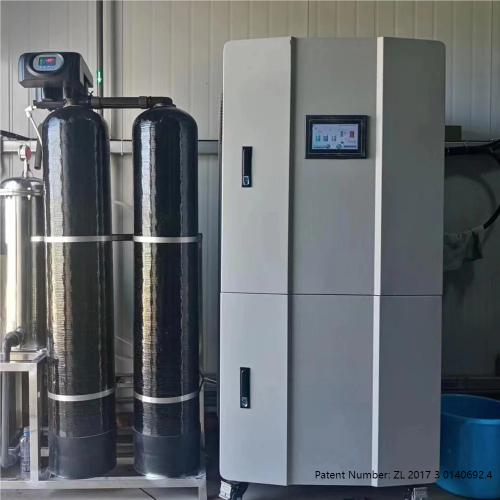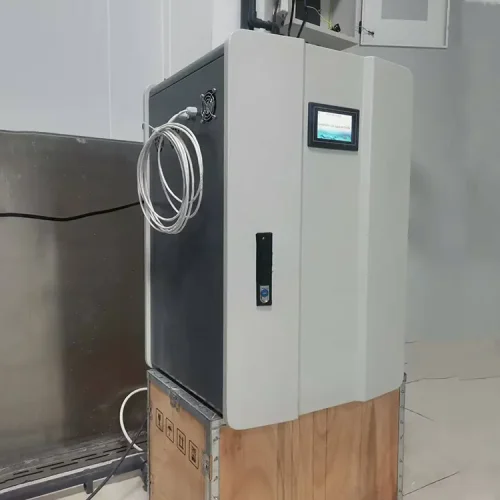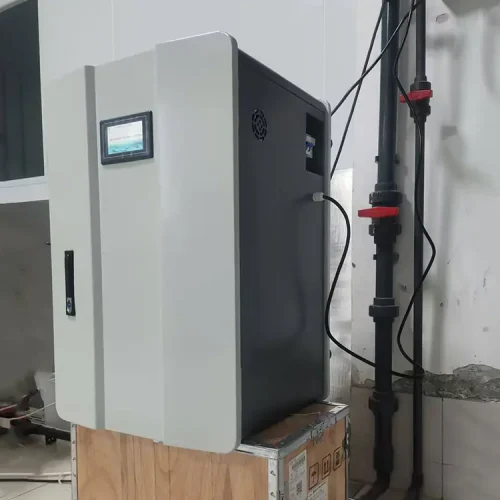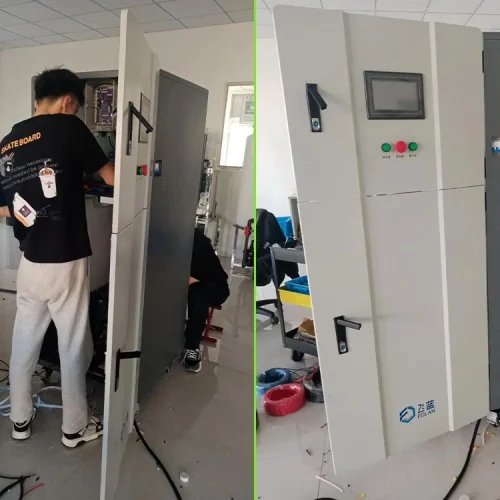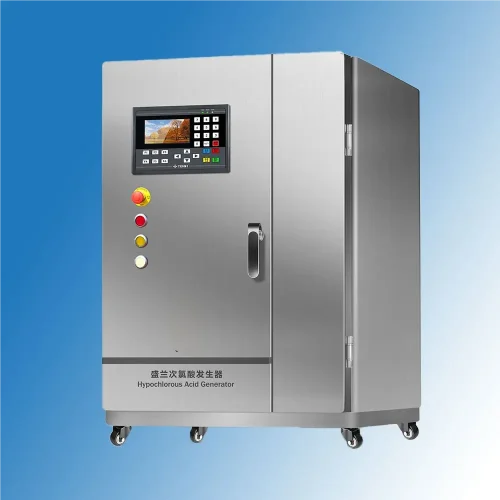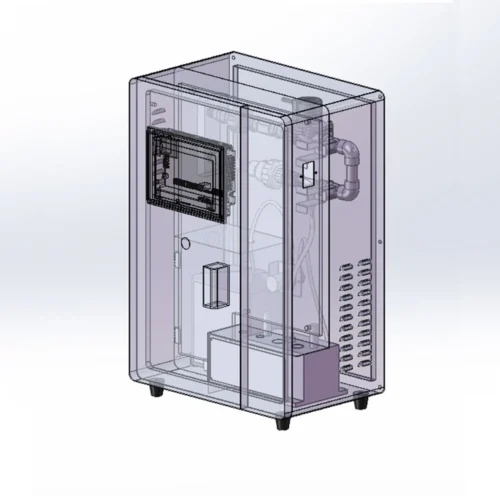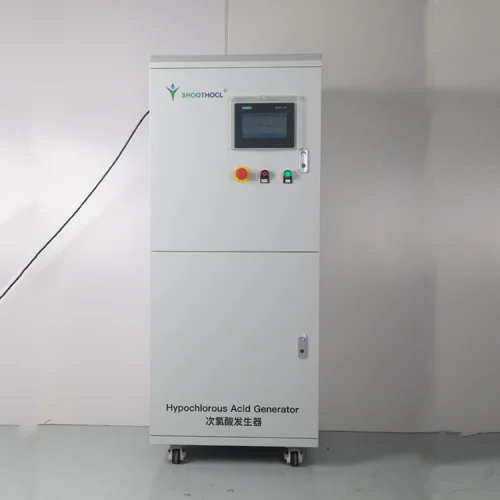






With the rapid development of intensive and large-scale livestock farming, environmental pressures and animal disease control risks are increasing. Farms generally face two major challenges: the persistent problem of foul odors and excessive microbial levels in livestock drinking water. Traditional chemical disinfectants and physical deodorization methods are often costly, complex to operate, or pose safety hazards. In recent years, hypochlorous acid generators, due to their high efficiency, safety, and economy, have become an increasingly important core device for farms to solve these problems.
I. The core advantages of hypochlorous acid: safe, efficient, and broad-spectrum.
Due to hypochlorous acid (HClO) is a bactericidal substance naturally produced by human neutrophils. Therefore it has a strong killing effect on bacteria, viruses, fungi, and spores, and is non-irritating and leaves no residue on animals and humans. Hypochlorous acid generators produce high-purity, low-concentration hypochlorous acid solutions on-site by electrolyzing dilute hydrochloric acid or sodium chloride solutions. This avoids the strong alkalinity and irritation of traditional sodium hypochlorite (84 disinfectant). Making it particularly suitable for long-term. Large-scale use in livestock farming environments.

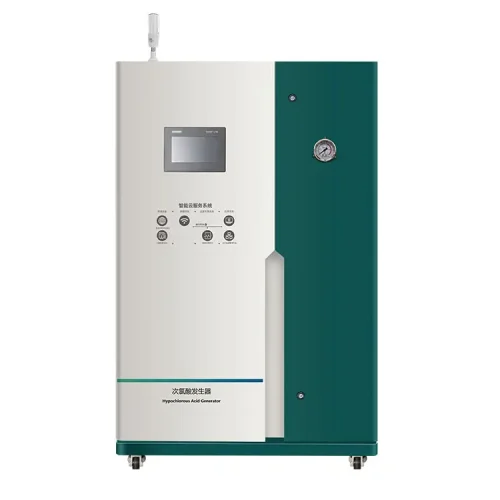
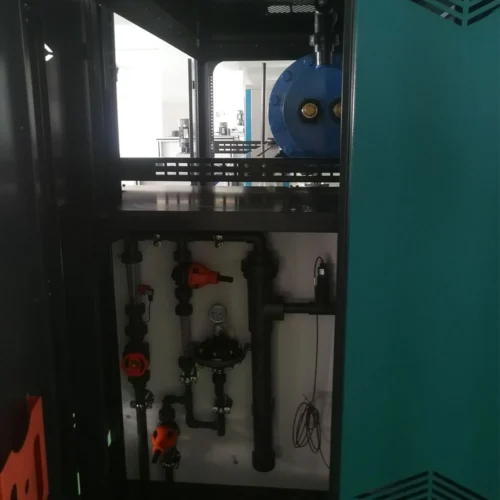
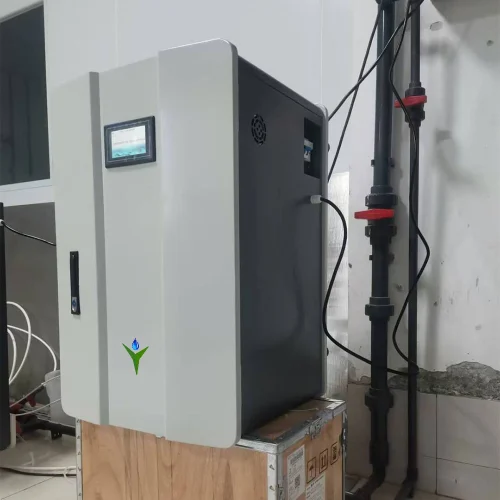
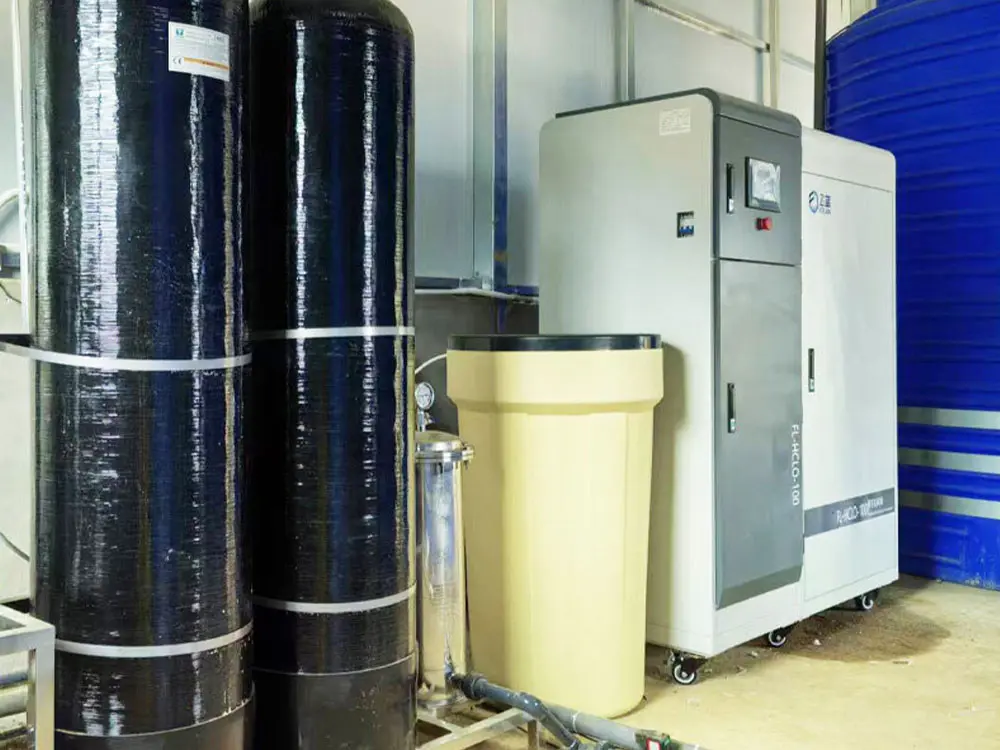
Hypochlorous acid generator parameters
| Model Name | Hypochlorous acid generator for livestock breeding deodorization and disinfection FL-SAEW-1000,2000,4000,6000,9000 |
|---|---|
| flow | 100L/H,200L/H,300L/H,500L/H,1000L/H(Flow can be customized) |
| Concentration | 10-1000PPM(Adjustable) |
| Electrolyte | Salt(Nacl) Or Hydrochloric acid(HCL) |
| Hypochlorous acid PH | 5-6.5 |
| Sodium hydroxide PH | 10-13.5 |
| Voltage | 220V/50Hz,380V/50Hz,110V/60Hz |
| The proportion of hypochlorous acid in ACC | >98.50% |
| Softened water system | One on standby and one in use |
| Weight | 95kg,120kg,180kg,210kg |
| Dimensions of hypochlorous acid generator | Can be customized |
Hypochlorous acid generator for animal husbandry deodorization - to remove malodor from the source
The foul odor in livestock farms mainly comes from volatile substances such as ammonia. Hydrogen sulfide, and amines in manure and urine. Traditional deodorization methods, such as increasing ventilation and spraying plant-based deodorizers, are either ineffective or prohibitively expensive.
The mechanism of action of hypochlorous acid in deodorization:
- Oxidative decomposition: Because of the hypochlorous acid has strong oxidizing properties and can rapidly react with reducing odorous gases such as ammonia and hydrogen sulfide. Therefore converting them into odorless nitrogen, water, or sulfates.
- Inhibition of microbial odor production: At the same time microorganisms in manure in livestock sheds are the main drivers of ammonia production from the decomposition of organic matter. Therefore spraying hypochlorous acid can effectively inhibit the activity of these odor-producing bacteria, reducing odor formation at its source.
Practical application methods:
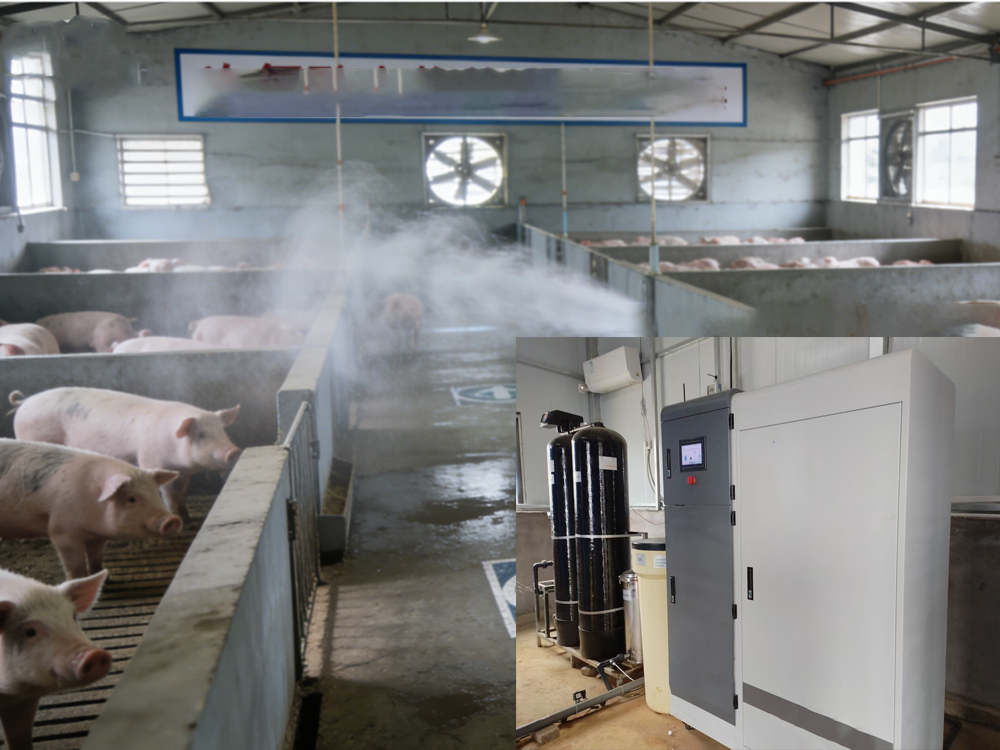
- Spraying with pigs: Hypochlorous acid solution at a low concentration (typically 30-50 ppm) is periodically sprayed into the pigsty using a misting system. Significantly reducing ammonia concentration within 1-2 minutes.
- Spraying through manure channels or collection tanks: Automatic spraying devices are installed at the inlet of drainage ditches. Solid-liquid separation areas, at the same time manure collection tanks to oxidize and deodorize manure at its source.
- Deodorizing water curtains or filter towers: Hypochlorous acid solution is introduce into the circulating water of deodorizing water curtains or biological filter towers at the exhaust vents. At the same time improving the efficiency of chemical washing and deodorization.
- Summary of results: Field applications show that the proper use of hypochlorous acid generators can reduce ammonia concentration in livestock sheds by 50%–80%. Significantly improving the air quality, reducing the incidence of respiratory diseases, and meeting environmental emission standards.
Hypochlorous acid generator is used for drinking water of livestock and poultry - to ensure the intestinal health of livestock and poultry and improve the survival rate
Due to drinking water is the largest and most easily overlooked route of disease transmission for livestock and poultry. E. coli, Salmonella, viruses, and other pathogens can spread rapidly throughout the herd via drinking water.
The pain points of traditional drinking water disinfection:
- Bleaching powder (calcium hypochlorite) or trichloroisocyanuric acid: High pH, poor palatability, and prone to corroding water lines.
- Chlorine dioxide: Effective but requires stringent reaction conditions and has high equipment costs.
- Ozone: Short half-life, easily dissipated, and cannot provide sustained antibacterial protection.
Advantages of using hypochlorous acid for drinking water disinfection:
Low-concentration, highly effective sterilization: At an effective chlorine concentration of 1-5 ppm, it can rapidly kill common pathogens in water at the same time without irritating the oral cavity, esophagus, or gastrointestinal mucosa of livestock and poultry.
Improved water quality and palatability: Hypochlorous acid has almost no chlorine taste. Therefore does not change the natural taste of water, and does not reduce the amount of water consumed by livestock and poultry.
Biofilm removal: Regularly adding 5-10 ppm of hypochlorous acid to drinking water can effectively remove sticky biofilms on the inner walls of water lines, reducing secondary sources of pollution.
Safe and residue-free: Hypochlorous acid reacts with organic matter to reduce it to salt and water. Therefore eliminating concerns about withdrawal periods or residues.
Summary of results: After treating drinking water with hypochlorous acid, the diarrhea rate of livestock and poultry decreased significantly, the feed conversion ratio improved, and the mortality rate decreased, especially in young animals and animals under stress.

FAQ
Why choose a hypochlorous acid generator instead of purchasing disinfectant?
- Many farms have tried purchasing bottled hypochlorous acid or 84 disinfectant, but often encounter the following problems:
- Bottled hypochlorous acid decomposes rapidly during transportation and storage, and its concentration is inconsistent.
- Due to 84 disinfectant (sodium hypochlorite) is highly alkaline. Therefore corrodes equipment, and irritates the animal’s respiratory tract.
- Long-term external purchases are costly and limit usage.
The core value of hypochlorous acid generators:
- Prepared and use immediately: Made from salt and water, it is use immediately after production. Therefore ensuring a reliable and accurate effective chlorine concentration.
- Extremely low cost: The cost of producing 1 liter of hypochlorous acid solution with 50 ppm effective chlorine is only a few cents.
- Controllable concentration: The concentration can be flexibly adjust according to different scenarios such as deodorization, drinking water disinfection, or equipment cleaning.
- Green and environmentally friendly: No packaging waste and no risk of storing hazardous chemicals.