




Due to As an important part of the national economy. The animal husbandry industry is facing the serious problem of malodor pollution while ensuring the supply of meat, eggs and milk. In the process of breeding, malodor gases such as ammonia, hydrogen sulfide and volatile organic compounds (VOCs) generated by livestock feces and urine fermentation will not only stimulate the respiratory mucosa of livestock and poultry, lead to decreased immunity, slow growth, and reduced egg/meat production rate, but also pollute the surrounding air, soil and water, cause neighborhood disputes, and even face the correction punishment of environmental protection departments.
Traditional deodorization methods such as physical adsorption (activated carbon, zeolite), chemical spray (acid-base solution), biological filter, etc., there are common shortcomings: physical adsorption is easy to saturate, and the replacement cost is high. Due to Chemical spraying may cause secondary pollution, corroding equipment and affecting the health of livestock and poultry. The biological filter covers a large area and has a long reaction cycle, which requires harsh environmental temperature and humidity.Therefore Under the background of increasingly strict environmental protection policies and increasing scale of breeding, finding efficient, safe and environmentally friendly deodorization solutions has become an urgent demand of the industry.
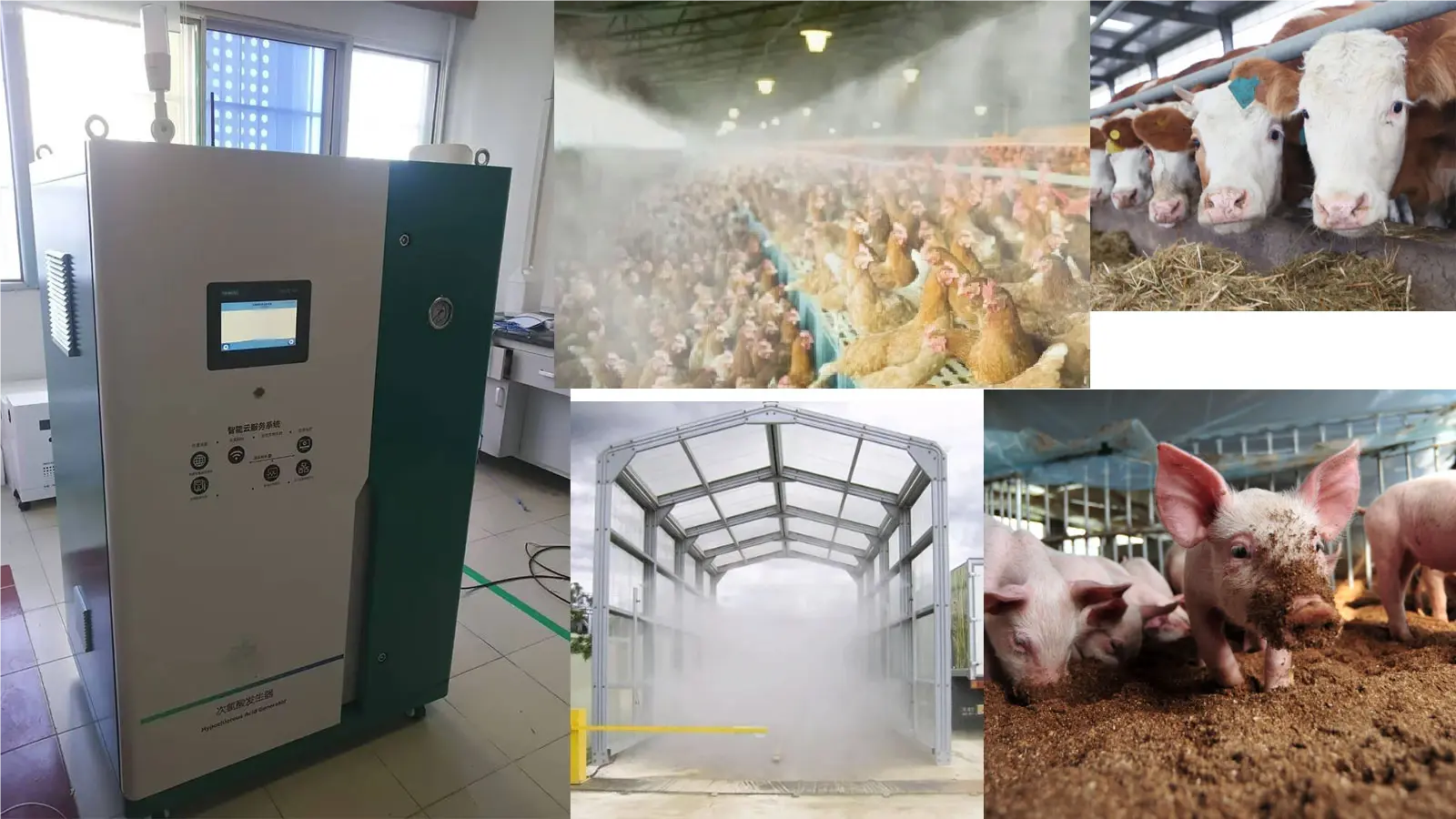
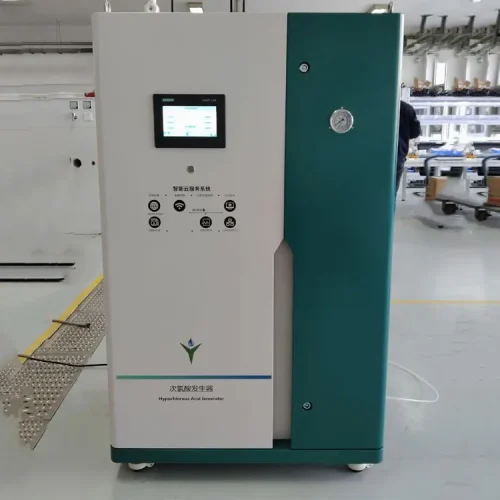
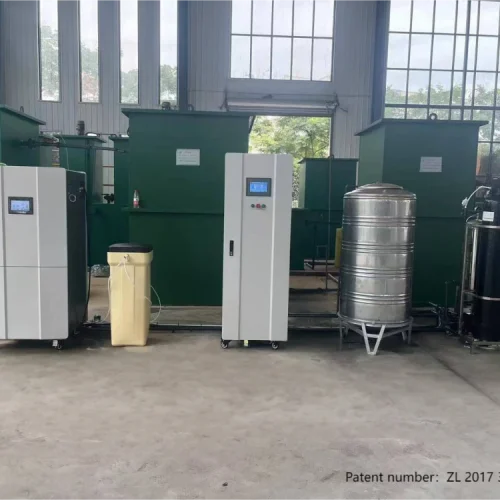
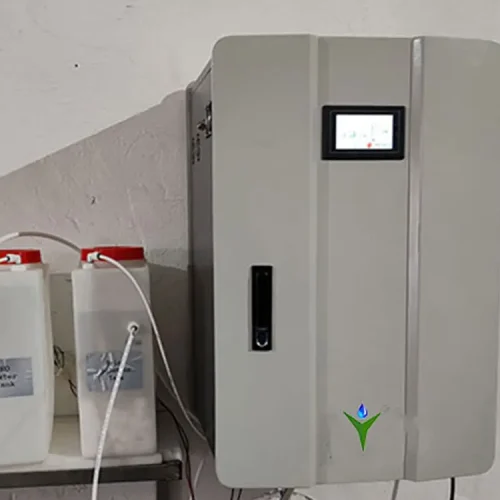
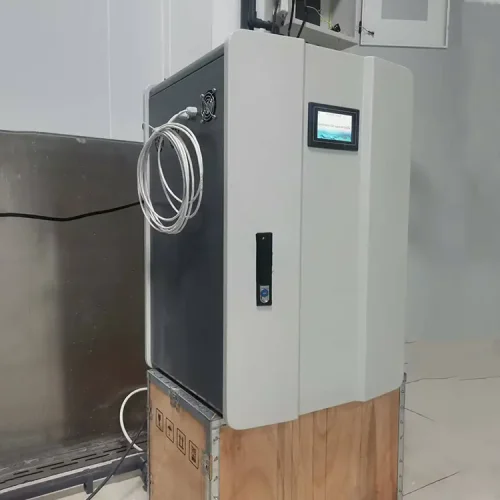
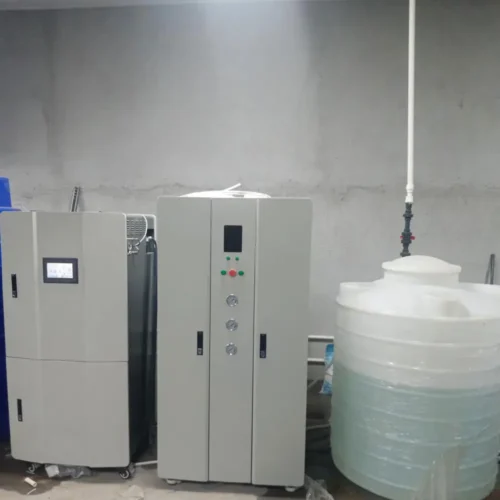
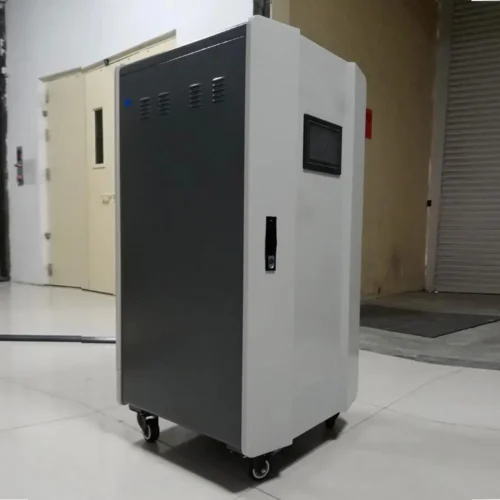
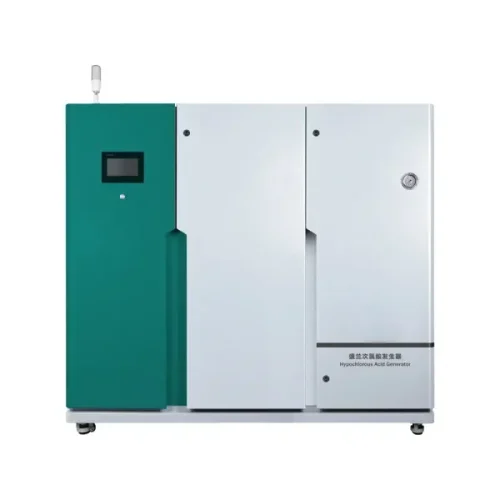
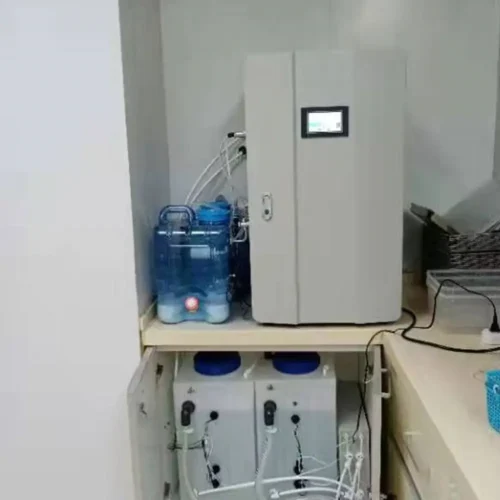
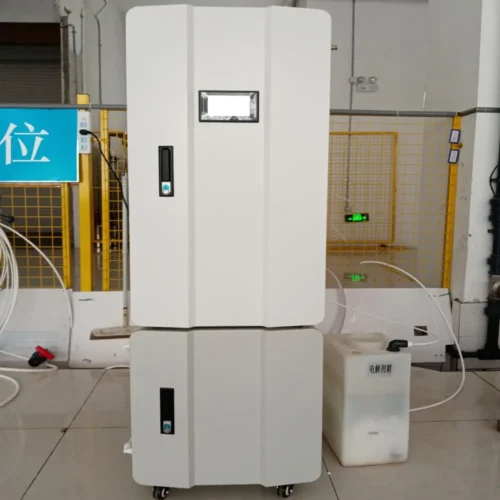
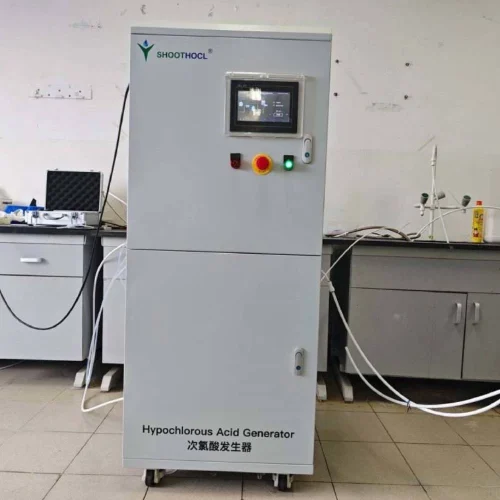
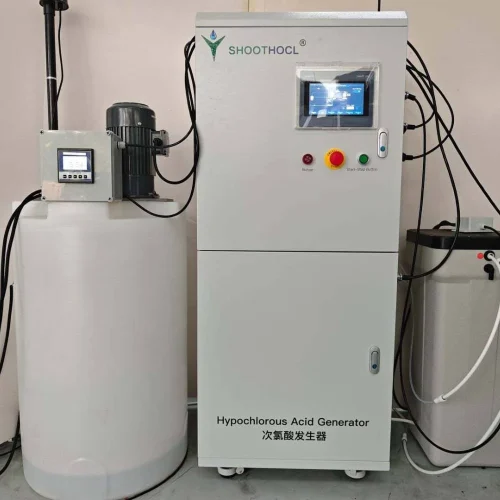
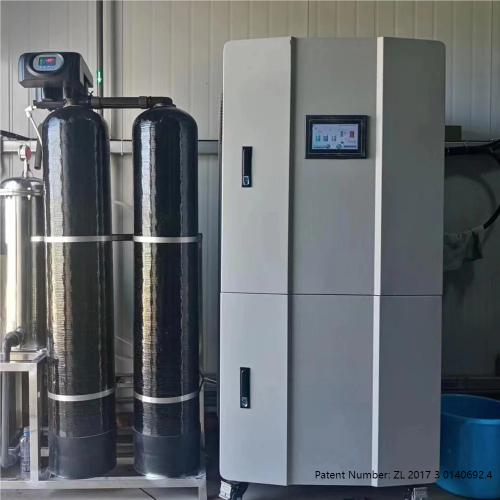
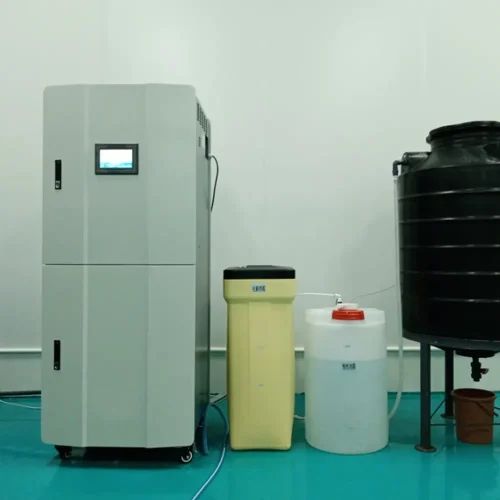
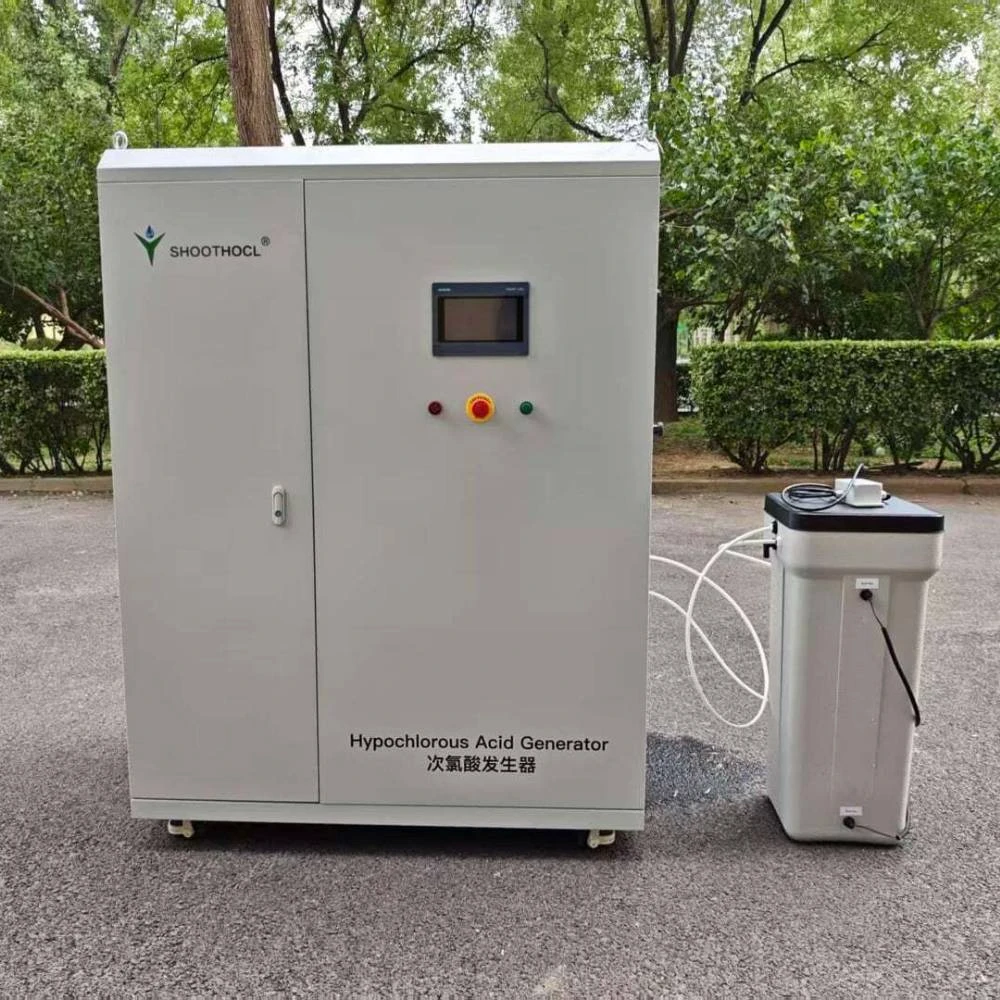
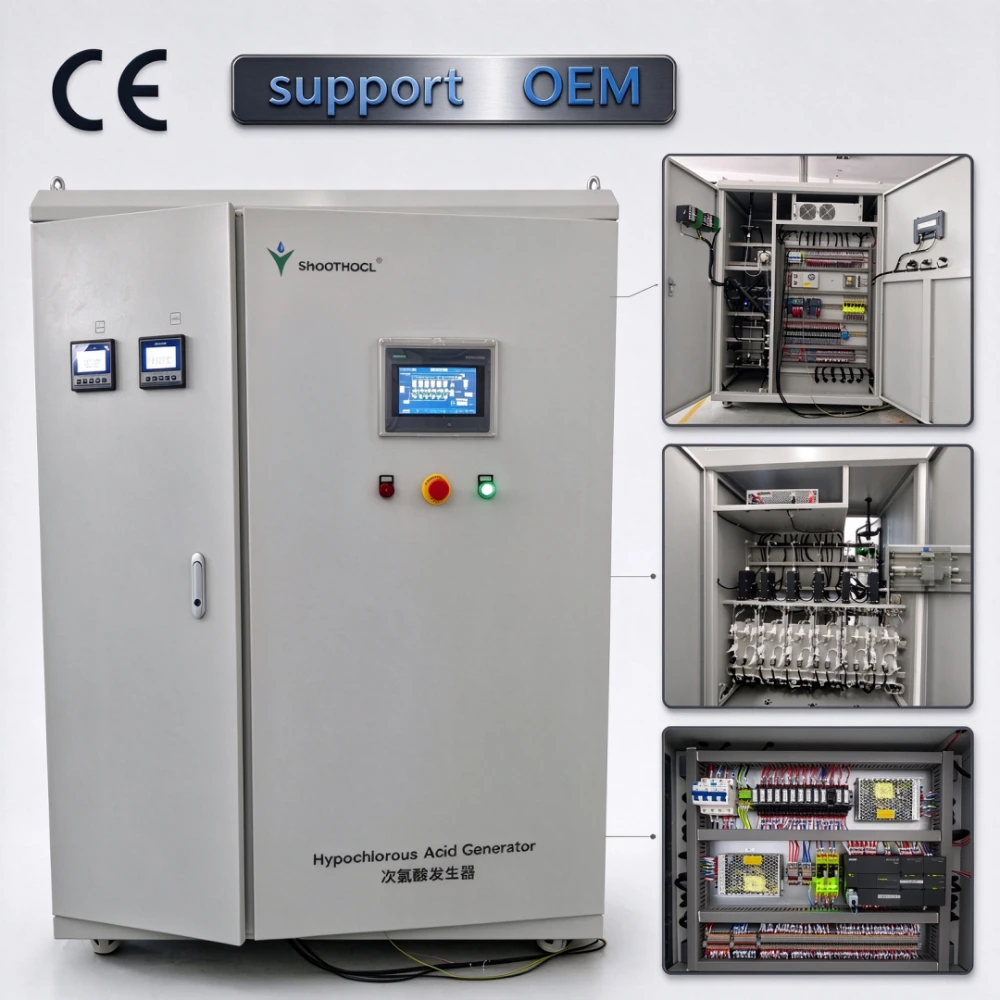
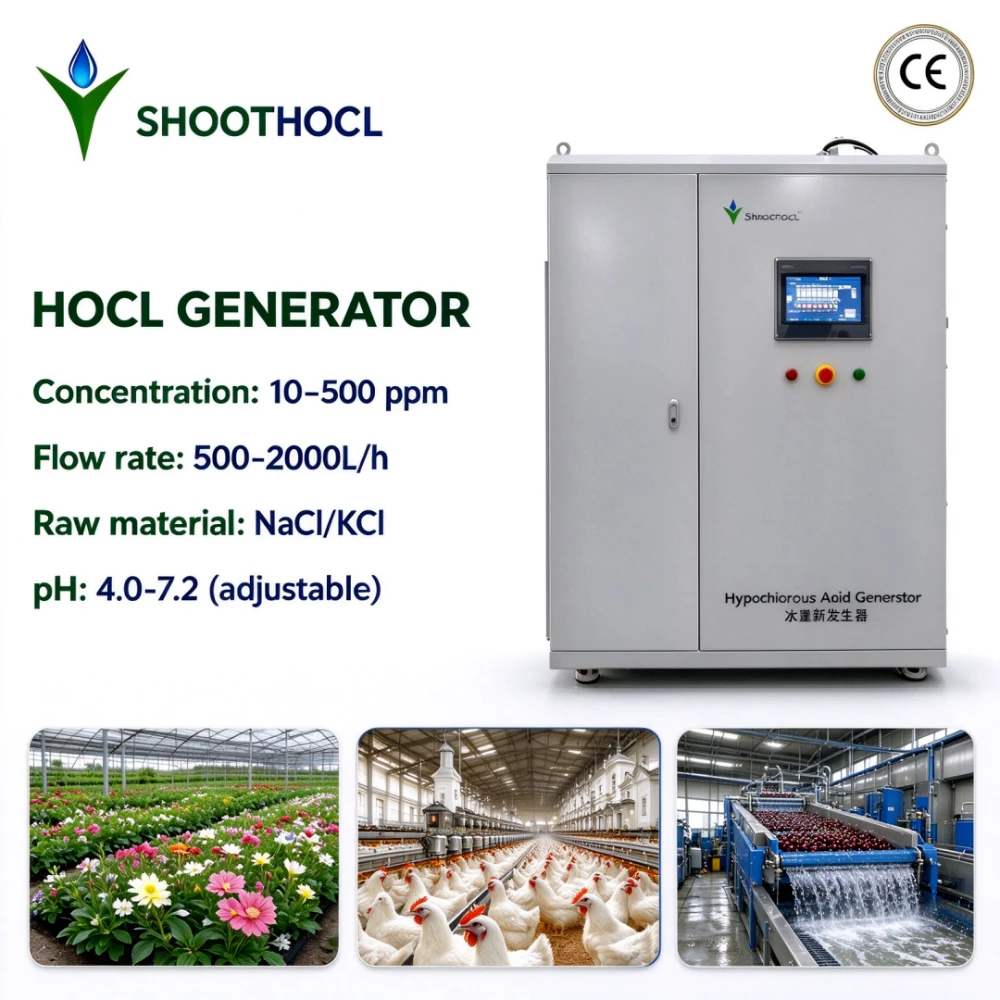
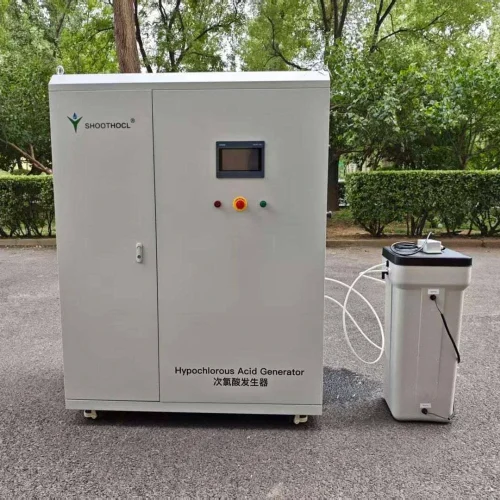
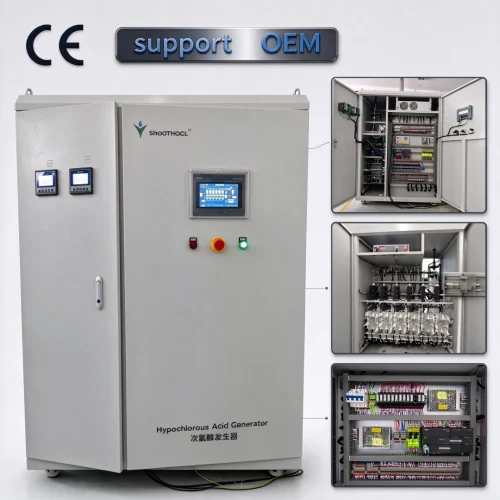
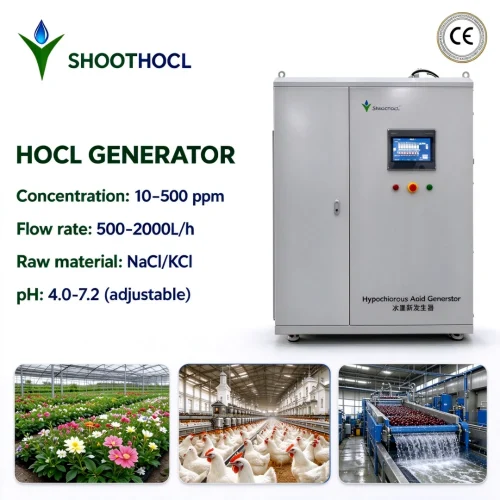
Parameters of the hypochlorous acid generator
| Model Name | The hypochlorous acid generator is used for odor removal in livestock farming. FL-SAEW-1000,2000,4000,6000,9000 |
|---|---|
| flow | 100L/H,200L/H,300L/H,500L/H,1000L/H(Flow can be customized) |
| Concentration | 10-1000PPM(Adjustable) |
| Electrolyte | Salt(Nacl) OrHydrochloric acid(HCL) |
| Hypochlorous acid PH | 5-6.5 |
| Sodium hydroxide PH | 10-13.5 |
| Voltage | 220V/50Hz,380V/50Hz,110V/60Hz |
| The proportion of hypochlorous acid in ACC | 98.50% |
| Softened water system | One on standby and one in use |
| Weight | 95kg,120kg,180kg,210kg |
| Dimensions of hypochlorous acid generator | 460*420*1200mm |
Hypochlorous acid generator: deodorization principle and core advantages
1,The core principle of hypochlorous acid generator deodorization: oxidation decomposition, eliminate the odor from the root
Hypochlorous acid (HClO) is a strong oxidizing disinfectant. Its deodorization is not a simple cover up of odor, but through chemical oxidation, the molecular structure of the malodor gas is destroyed and decomposed:
Ammonia (NH₃) : hypochlorous acid reacts REDOX with ammonia to generate odorless nitrogen, water and salts, completely cutting off the source of odor;
Hydrogen sulfide (H₂S) : the sulfide is oxidized to sulfate ions and converted into odorless and harmless substances;
VOCs and nitrogen, sulfur containing organic matter: decomposition of unsaturated bonds, so that it is converted into carbon dioxide, water and other simple inorganic matter, to achieve the fundamental elimination of odor.
At the same time, hypochlorous acid has a broad spectrum bactericidal effect, which can simultaneously kill harmful microorganisms (such as E. coli, Salmonella, spoilage bacteria) that produce malodor in feces, reduce the generation of malodor gas from the source, and realize the dual effect of “deodorization + sterilization”.
2,The core advantages of the hypochlorous acid generator: It is suitable for aquaculture scenarios, and balances efficiency and safety.
The hypochlorous acid generator produces hypochlorous acid solution on-site by electrolyzing dilute salt water (or hydrochloric acid). It does not require storage or transportation, and is perfectly suitable for complex scenarios in livestock farming. The core advantages are as follows:
1,Safe and non-toxic, friendly to livestock: The pH value of the prepared hypochlorous acid solution can be adjusted to neutral (6.5-7.5). Without irritating odors, will not damage the respiratory tracts. Skin and mucous membranes of livestock. And leaves no residue after use. Does not affect the palatability of feed and the quality of livestock products;
2,High efficiency and rapid action, wide deodorization range: The oxidation-reduction potential (ORP) of hypochlorous acid is as high as 800-1100 mV. With fast reaction rate. After spraying. The foul odors can be decomposed within seconds. Applicable for deodorization in all scenarios such as livestock sheds. Manure accumulation areas, sewage ponds, and passages;
3,Low operating cost and high cost performance: The raw materials are only salt and water (or a small amount of hydrochloric acid). With low preparation cost, each liter of hypochlorous acid solution costs only a few cents. The equipment has low energy consumption. With small equipment power less than 1 kW. Large-scale livestock farming can be customized as needed to reduce the overall deodorization cost;
4,Easy operation and high automation level: The equipment is small in size. Flexible in installation. Can be operate manually or connect to an automatic spraying system. Set up timed and quantitative spraying programs. Reducing labor input; Some high-end models are equip with concentration monitoring and automatic water and salt replenishment functions to ensure stable operation;
5,Green and environmentally friendly, no secondary pollution: The reaction products are harmless substances such as water and salt. No wastewater or exhaust gas emissions. In line with the “carbon neutrality” policy requirements. Helping livestock farms achieve ecological transformation.


The practical application scenarios of hypochlorous acid generators in livestock farming
1,Odor removal and disinfection in the livestock farm buildings
The hypochlorous acid solution is connecte through a pipeline to the spray heads or atomizers in the chicken houses, pig houses, cattle sheds, etc. It is spray in a timed manner to achieve atomization (with droplet diameters of 5-10 μm) throughout the chicken houses, pig houses, cattle sheds, etc. This can not only quickly decompose the odors such as ammonia and hydrogen sulfide in the houses. Improving the breeding environment. But also kill harmful bacteria in the air and on the ground. Reducing the incidence of respiratory and digestive tract diseases in livestock. It is particularly suitable for high-density breeding scenarios. Such as large-scale egg chicken farms and piglet rearing sheds, and can effectively alleviate the problem of poor air quality in the houses.
2,Odor removal in the feces treatment area
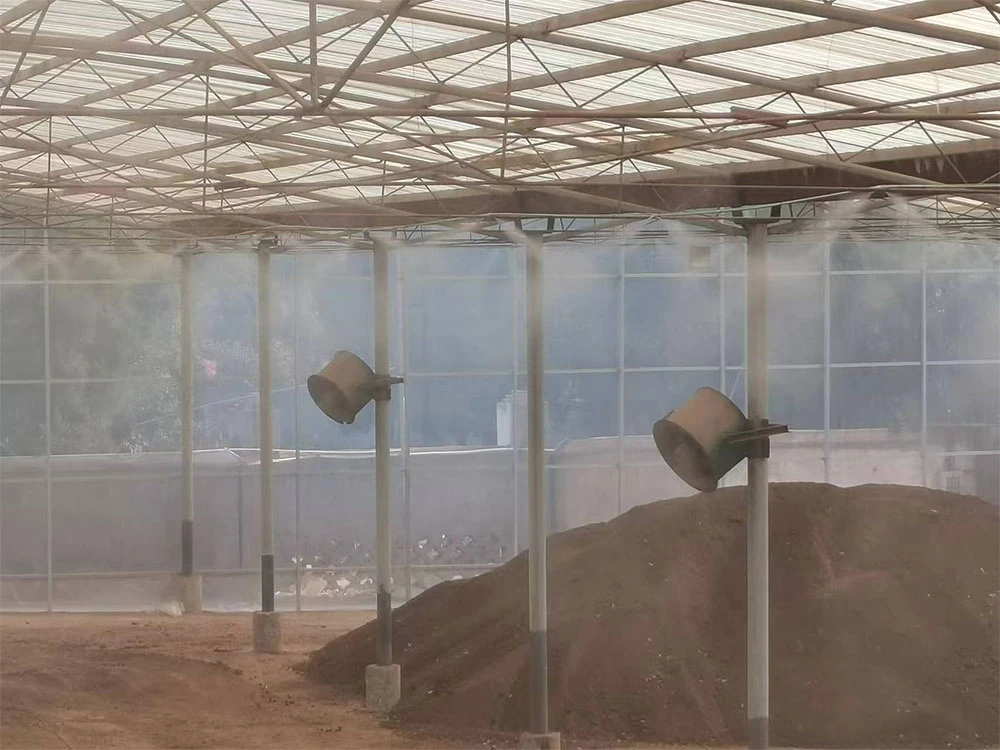
During the process of livestock and poultry manure accumulation, a large amount of foul gases are produce. Installing hypochlorous acid spraying systems around composting sites and septic tanks and spraying them on the surface of the manure can not only inhibit the reproduction of spoilage bacteria. Reduce the emission of foul odors. But also accelerate the decomposition of the manure and improve the quality of organic fertilizers. For manure fermentation tanks, hypochlorous acid solution can be add to the fermentation system in proportion to achieve both odor removal and sterilization. Thereby reducing the difficulty of subsequent wastewater treatment.
3,Odor removal of the sewage tank and its surrounding area
The wastewater from aquaculture contains a large amount of organic matter. Which is prone to breed anaerobic bacteria and produce foul odors. By linking the hypochlorous acid generator with the sewage treatment system and adding an appropriate amount of hypochlorous acid solution to the sewage tank. The organic pollutants in the wastewater can be decompose. And the generation of odors can be inhibit. At the same time. Spraying on the ground and passages around the sewage tank can prevent the spread of odors to the livestock farm area and surrounding residential areas.

Case Study Sharing
After introducing a hypochlorous acid generator to a large-scale pig farm (with a stock capacity of 5,000 pigs). After a 3-month practical application, remarkable results were achieve:
1,The ammonia concentration in the barn decreased from the initial 35 ppm to below 8 ppm. And the hydrogen sulfide concentration dropped from 5 ppm to below 0.5 ppm. Meeting the “Pollutant Emission Standards for Livestock and Poultry Industry” (GB18596-2001);,
2,The incidence of diarrhea in piglets decreased from 12% to 3%. The average daily weight gain of fattening pigs increased by 8%. And the feed conversion rate improved by 5%;
3,There were zero complaints about odors within a 100-meter radius of the farm. And through specialized environmental protection department inspections. All pollutant emissions met the standards;
4,The overall cost of odor removal was reduce by 40% compare to traditional chemical spraying methods. And the labor input was reduce by 60%.
5,After application in another egg-laying chicken farm. The dust content in the chicken houses decreased by 30%. The egg breakage rate dropped by 5%. The egg production rate increased by 3%-5%. And the eggs had no odor residue. Significantly improving the product quality.