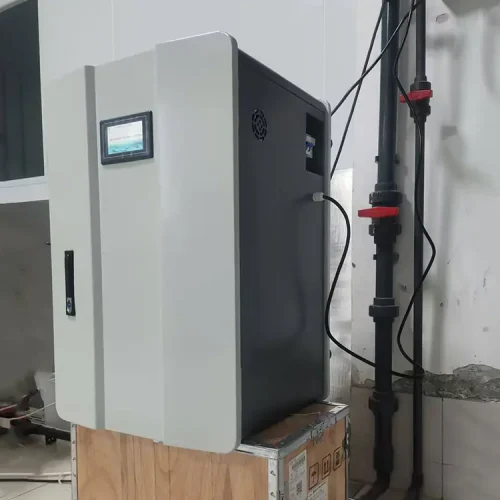


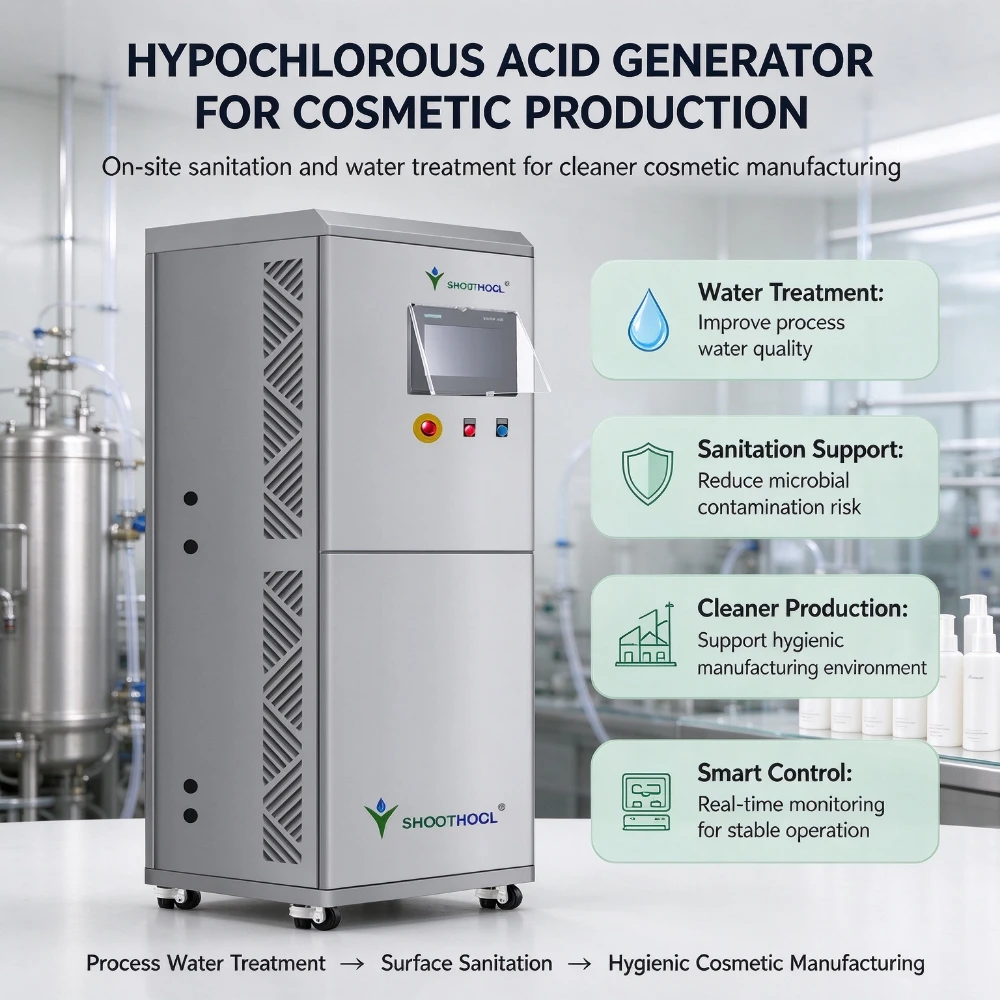









As the cosmetics industry continues to pursue safe and effective skincare ingredients. Hypochlorous acid (HClO), with its unique bioactivity and mild properties. Is becoming an emerging functional ingredient for the treatment of acne and pimples. Acne and pimples are common skin problems primarily caused by multiple factors. Including blocked sebaceous ducts, infection with Propionibacterium acnes. Inflammation, and excessive sebum secretion. These conditions not only affect skin health but also impact consumers’ appearance and mental well-being. By precisely targeting key pathways in the development of acne. Hypochlorous acid offers a novel solution for the cosmetics industry in developing acne-fighting products. Its application value is gaining widespread recognition in both the market and scientific research communities.
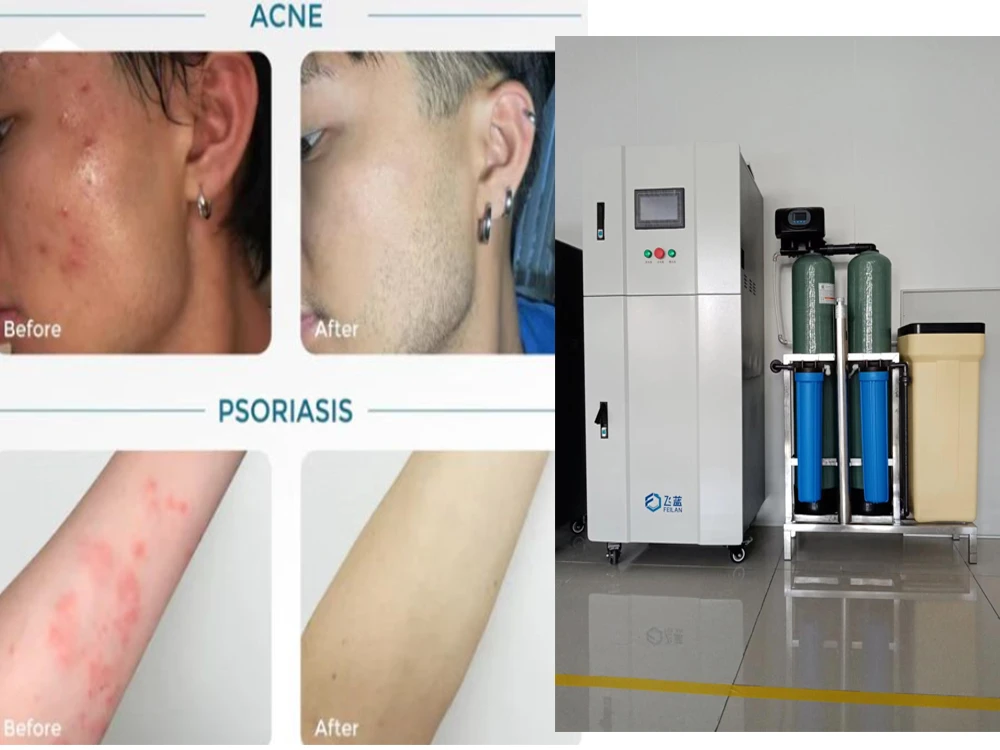
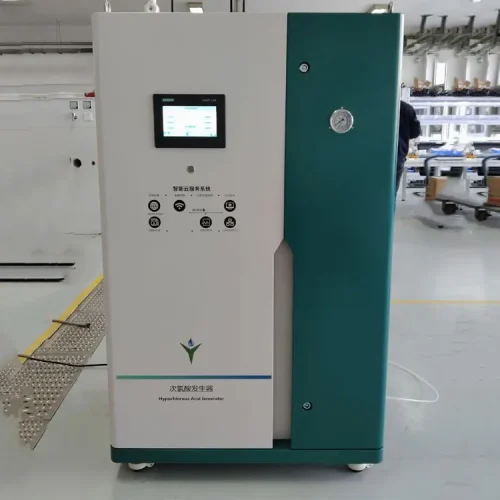
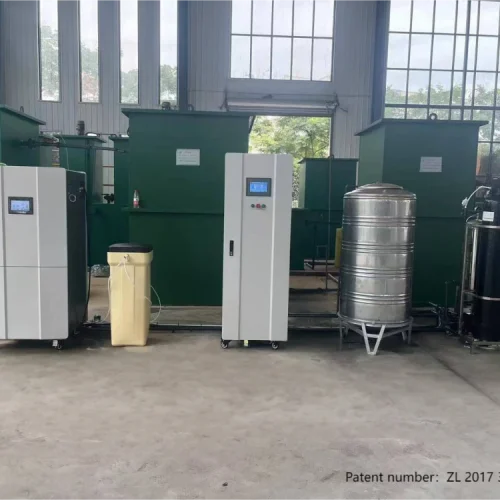
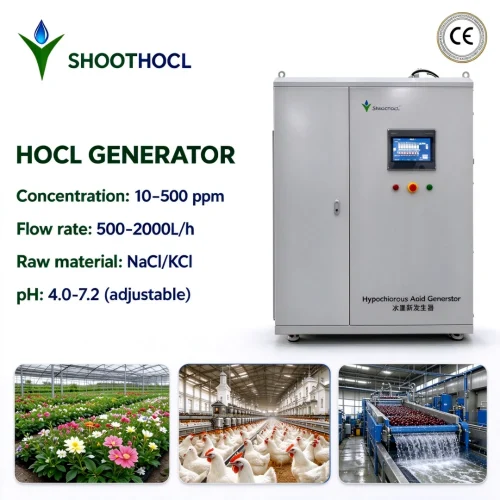
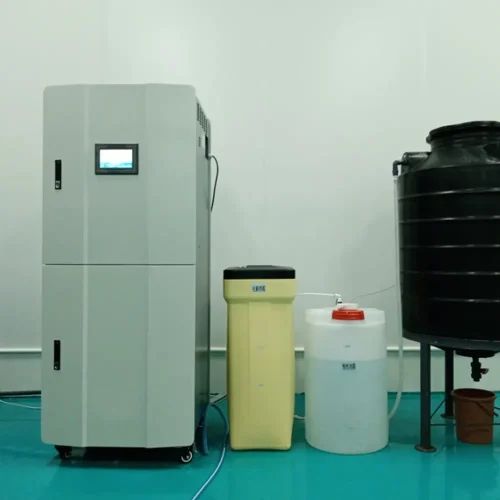
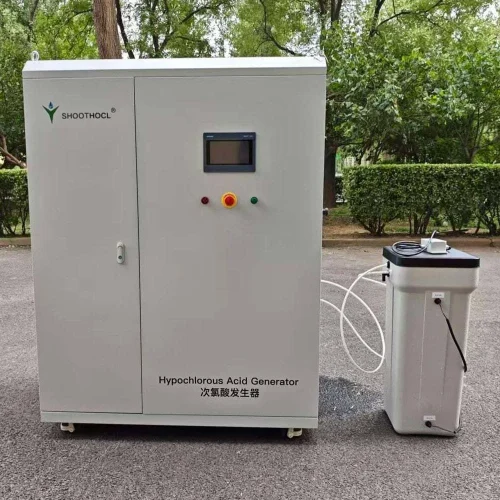
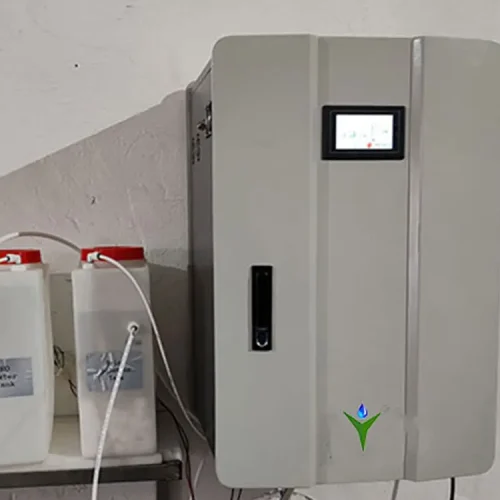
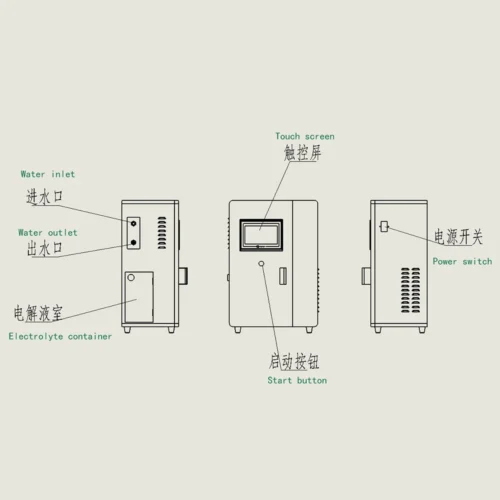
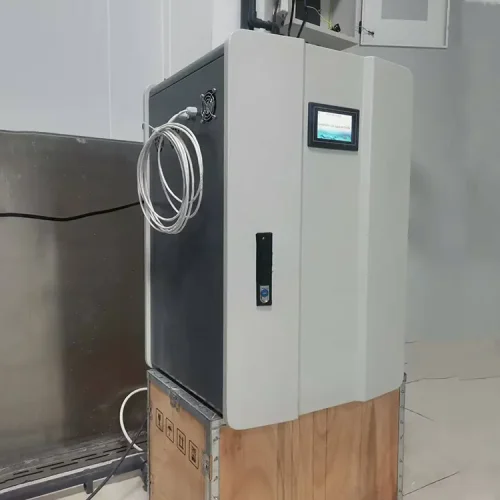
Parameters of the hypochlorous acid generator
| Model Name | Application of hypochlorous acid generators in the cosmetics industry FL-SAEW-1000,2000,4000,6000,9000 |
|---|---|
| flow | 100L/H,200L/H,300L/H,500L/H,1000L/H(Flow can be customized) |
| Concentration | 10-1000PPM(Adjustable) |
| Electrolyte | Salt(Nacl) OrHydrochloric acid(HCL) |
| Hypochlorous acid PH | 5-6.5 |
| Sodium hydroxide PH | 10-13.5 |
| Voltage | 220V/50Hz,380V/50Hz,110V/60Hz |
| The proportion of hypochlorous acid in ACC | 98.50% |
| Softened water system | One on standby and one in use |
| Weight | 95kg,120kg,180kg,210kg |
| Dimensions of hypochlorous acid generator | 60*50*150草莓,70*60*175cm |
1. The core mechanism of action of hypochlorous acid against acne and pimples
Hypochlorous acid, a natural antibacterial substance produced by neutrophils in the human immune system. Is highly compatible with the human physiological environment. Its therapeutic effects on acne and pimples are mainly achieved through the following three core mechanisms:
1,Highly effective, targeted inhibition of Propionibacterium acnes: Overgrowth of P. acnes is a key trigger of acne inflammation. During metabolism, the bacteria produces lipase. Which breaks down sebum into free fatty acids. Which irritate the hair follicle ducts and cause inflammation. Hypochlorous acid penetrates bacterial cell membranes. Destroying biomacromolecules such as proteins and nucleic acids. Rapidly killing P. acnes. Compared to traditional acne-fighting ingredients (such as benzoyl peroxide and clindamycin). Hypochlorous acid’s antibacterial effect is more targeted. While effectively inhibiting P. acnes, it minimally disrupts the normal bacterial balance on the skin’s surface. Reducing the risk of side effects such as skin sensitivity and dryness caused by bacterial imbalance.
2,Precisely regulate the inflammatory response: The redness, swelling, and pain of acne and pimples are closely related to localized inflammatory responses in the skin. When micro-injuries or bacterial infections occur in the skin. Immune cells release inflammatory factors such as tumor necrosis factor-α (TNF-α) and interleukin-6 (IL-6). Exacerbating the spread of inflammation. Hypochlorous acid can inhibit the release of inflammatory factors. Block inflammatory signaling pathways, and scavenge reactive oxygen species (ROS) produced during the inflammatory response. Alleviating symptoms such as redness, swelling. And stinging, and accelerating the resolution of inflammation. Furthermore. Hypochlorous acid promotes the repair and regeneration of skin tissue, reducing scarring and pitting after acne heals. And improving the overall appearance of the skin.
3,Gently cleanses and unclogs hair follicle ducts: Blockage of the sebaceous ducts is the initial stage of acne and pimples. Excessive sebum and keratinous debris accumulate within the ducts. Easily forming comedones (blackheads and whiteheads), which in turn can lead to bacterial infection and inflammation. Hypochlorous acid has excellent cleansing properties. Gently dissolving excess sebum and keratinous debris on the skin’s surface. Unclogging clogged hair follicle ducts and preventing the formation of acne. Compared to traditional, harsh cleansing ingredients (such as soap bases and high-concentration salicylic acid). Hypochlorous acid has a pH value closer to the slightly acidic environment of human skin (pH 5.5-6.5). Making it minimally irritating to the skin barrier. It is safe for use even on those with sensitive skin. Avoiding problems such as dryness and barrier damage caused by over-cleansing.
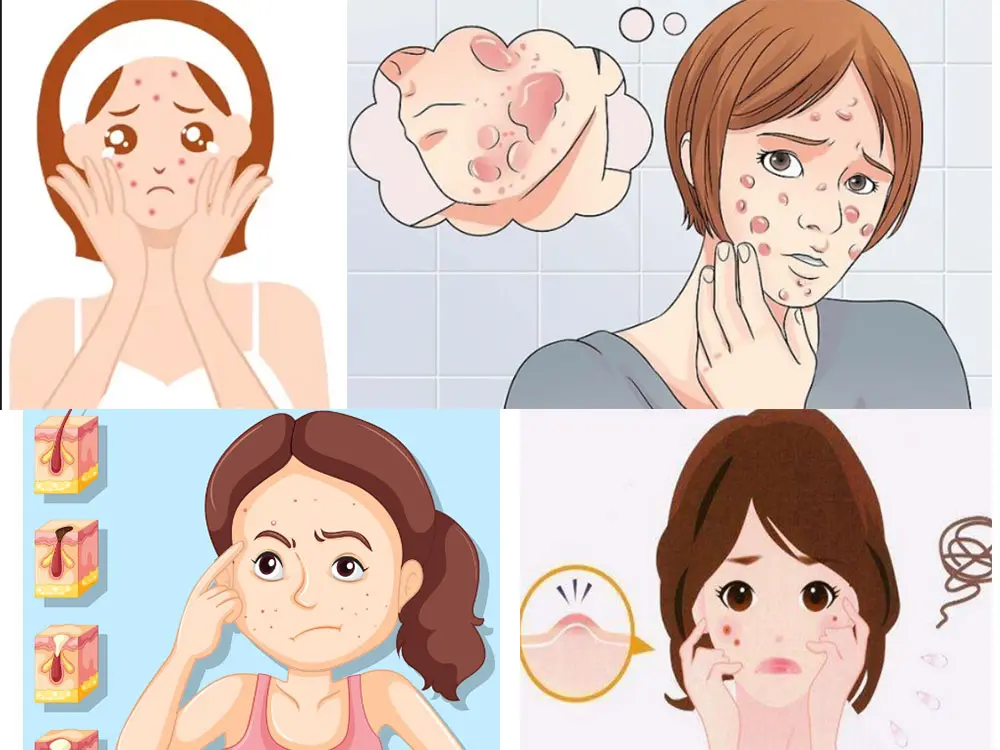

2. Application of hypochlorous acid in anti-acne cosmetics
Currently, the application of hypochlorous acid in the cosmetics industry has formed a variety of product forms, covering the full range of scenarios from daily care to targeted treatment, mainly including the following categories:
1,Hypochlorous acid acne spray: As one of the most common application methods, hypochlorous acid acne spray offers the advantages of ease of use and rapid absorption. These products typically utilize a 0.01%-0.05% concentration of a stabilized hypochlorous acid solution, combined with moisturizing ingredients (such as hyaluronic acid and panthenol) and soothing ingredients (such as asiaticoside and allantoin). These sprays can be applied directly to affected or acne-prone areas. The spray formulation allows the hypochlorous acid to evenly coat the skin’s surface, quickly penetrating the hair follicle ducts to exert its antibacterial and anti-inflammatory effects, while also replenishing moisture and alleviating dryness and tightness in acne-prone areas. These products are suitable for daily oil control, acne prevention, and early inflammation suppression to prevent further breakouts.
2,Hypochlorous Acid Acne Serum: Targeting moderate to severe acne or recurring breakouts, this serum enhances the stability and penetration of hypochlorous acid for more precise treatment. In addition to its core ingredient, hypochlorous acid, it is often formulated with sebum-regulating ingredients like niacinamide and vitamin B6, as well as acne-fading ingredients like tranexamic acid and vitamin C derivatives, resulting in a multi-faceted “acne treatment, repair, and scar reduction” effect. This serum, with its thicker texture and higher concentration of active ingredients, penetrates deeply into the dermis, killing Propionibacterium acnes deep within the skin while regulating the function of the sebaceous glands in the hair follicles, reducing excessive sebum production and ultimately reducing the risk of acne recurrence. After cleansing, apply an appropriate amount to the affected area and gently massage for absorption. Suitable for overnight repair or targeted treatment.
3,Hypochlorous acid acne-fighting masks/strips: Hypochlorous acid acne-fighting masks (available in both patch and spreadable versions) require prolonged application to ensure full contact between the hypochlorous acid and the skin, prolonging its action and enhancing the therapeutic effect. Patch masks utilize breathable non-woven fabric or biofiber to adsorb a hypochlorous acid solution and various active ingredients. When applied, they create a closed environment on the skin’s surface, promoting the penetration and absorption of hypochlorous acid while simultaneously isolating it from external pollutants and bacteria, creating a favorable environment for acne healing. Sprayable masks, on the other hand, are often gel-based and contain hypochlorous acid with adsorbent ingredients like clay and activated charcoal. These masks not only provide antibacterial and anti-inflammatory properties,
but also absorb excess oil from the skin’s surface and cleanse pores. These masks are suitable for deep treatments once or twice a week, especially for skin with dense acne or significant inflammation, quickly relieving redness, swelling, and pain.

Advantages of hypochlorous acid in the application of anti-acne cosmetics
1,Highly safe and widely applicable: Hypochlorous acid, a naturally occurring antibacterial substance secreted by the human body, is naturally biocompatible. Authoritative testing confirms it meets safety standards for cosmetic ingredients, without irritation or allergenicity risks. Its mild properties make it suitable for all skin types, including sensitive, oily, and combination skin. This addresses the issue of traditional acne-fighting ingredients (such as high-concentration alpha-hydroxy acids and antibiotics) being less friendly to sensitive skin, broadening the reach of acne-fighting products.
2,Fast-acting, significant results: Hypochlorous acid’s antibacterial effect takes effect quickly, killing Propionibacterium acnes within minutes upon contact. It also rapidly inhibits the release of inflammatory factors. Typically, acne redness and swelling will be significantly reduce, and pain will be relieve within 3-7 days of use. Compared with traditional acne treatment products (which take 1-2 weeks to be effective), this shortens the treatment cycle and improves the consumer experience.
3,No risk of drug resistance: Long-term use of traditional antibiotic acne-fighting ingredients (such as clindamycin and erythromycin) can easily lead to drug resistance in Propionibacterium acnes, gradually reducing the effectiveness of the product and even causing more serious infections. Hypochlorous acid, on the other hand, works by destroying bacterial cell membranes and biomacromolecules. Its mechanism of action has no specific target, making it less likely for bacteria to develop drug resistance. It can be used long-term and is suitable for long-term care for those with recurrent acne.
With growing consumer demand for natural, gentle, and effective acne treatments, hypochlorous acid, a functional ingredient derived from the human body, aligns with the modern cosmetics trend toward “safe skincare” and holds great promise for future applications. The future development of hypochlorous acid in acne-fighting cosmetics will demonstrate three key trends:
First, technological advancements: novel stabilization technologies (such as microencapsulation and nanodispersion) will enhance the stability and permeability of hypochlorous acid, further enhancing product efficacy.
Second, formulation innovation: combining hypochlorous acid with plant extracts (such as tea tree oil and baicalin) and probiotics to achieve a synergistic effect of “antibacterial, microbial regulation, and barrier repair,” meeting consumers’ diverse skincare needs.
Third, expanded application scenarios: Beyond traditional facial acne treatments, hypochlorous acid will also be used in products for acne-prone areas such as the back and chest, as well as specialized acne treatments for specific demographics such as adolescents and pregnant women, further expanding the market.