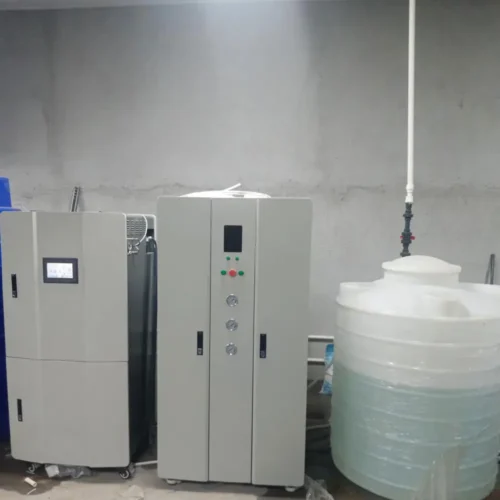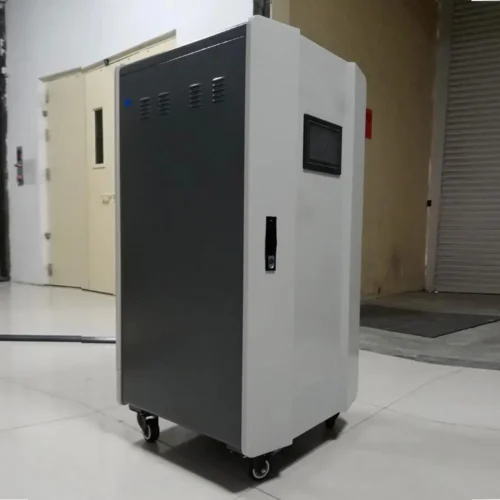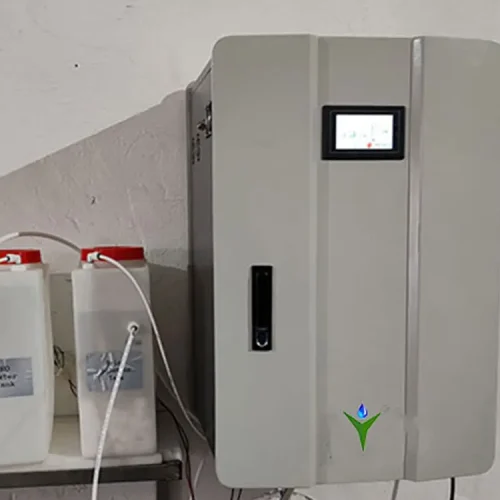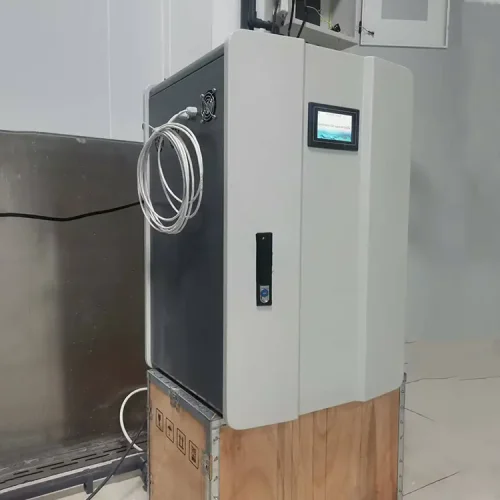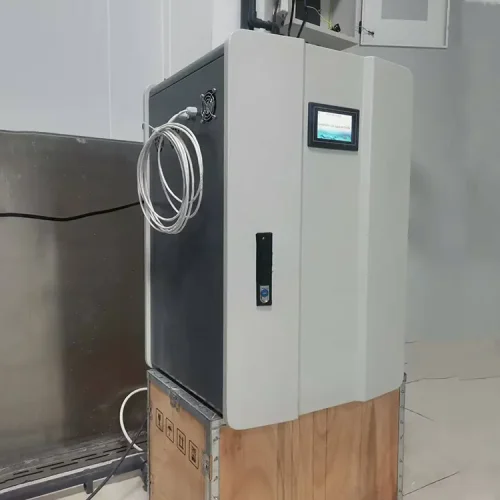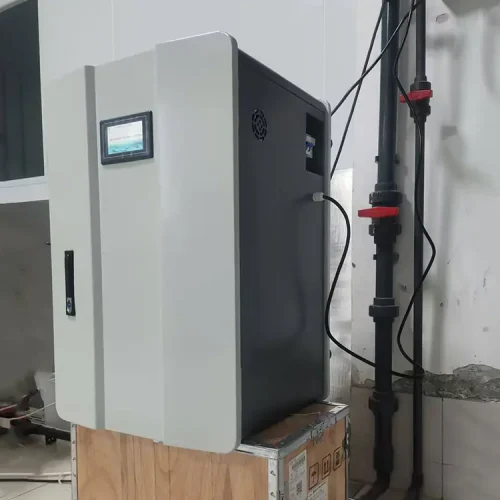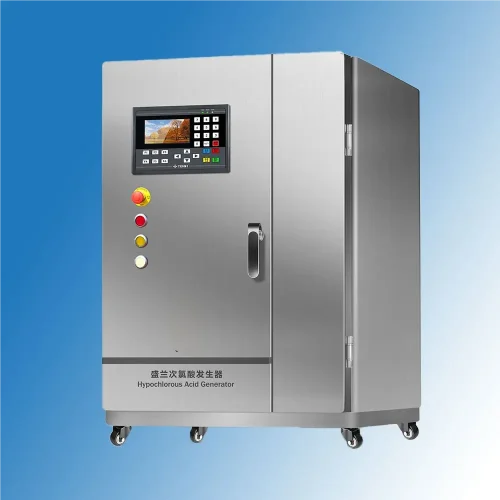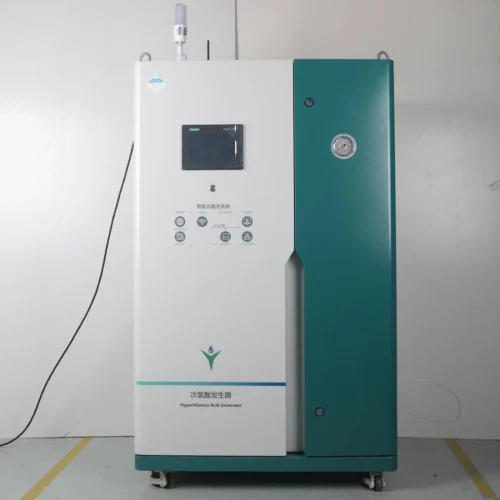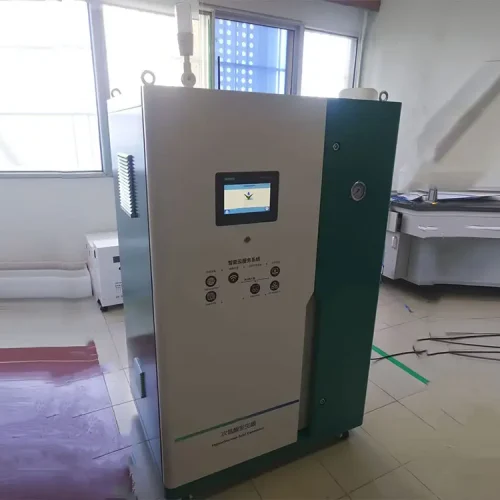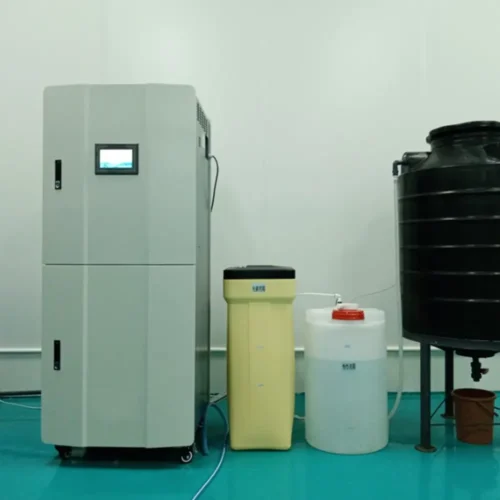

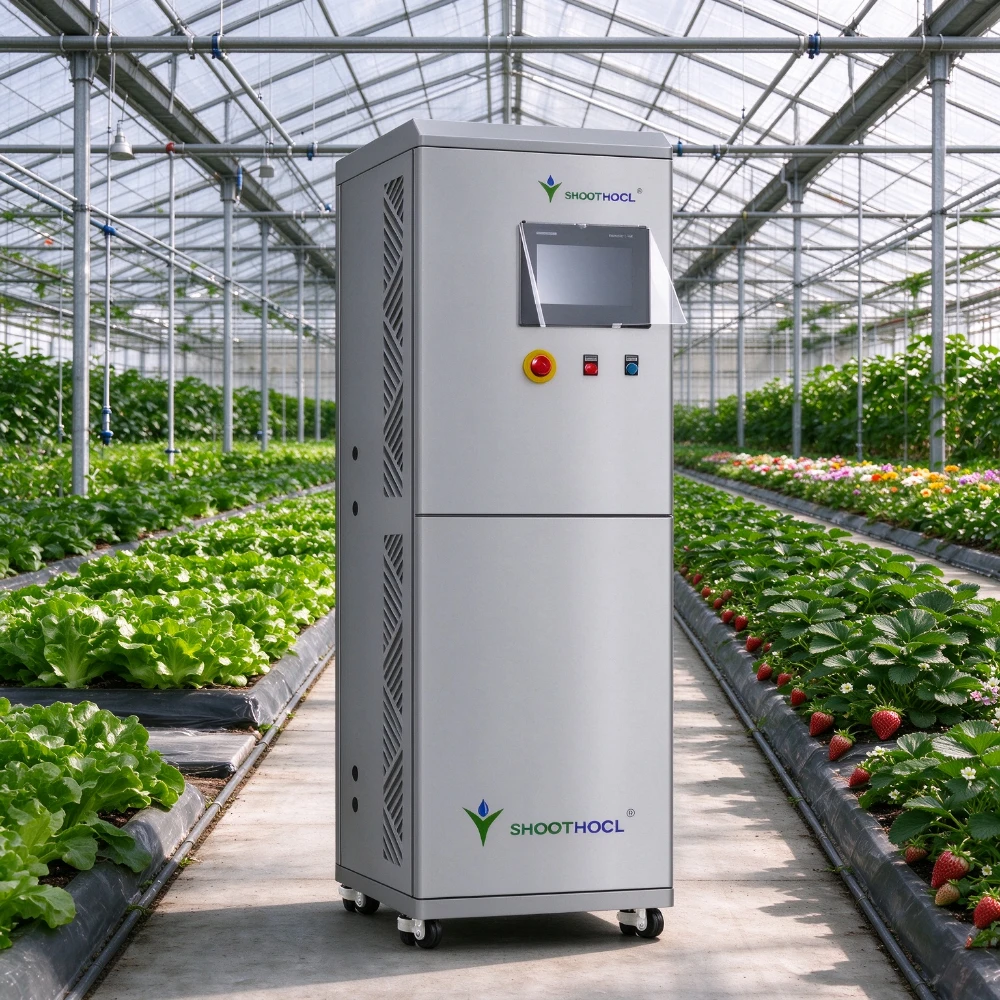
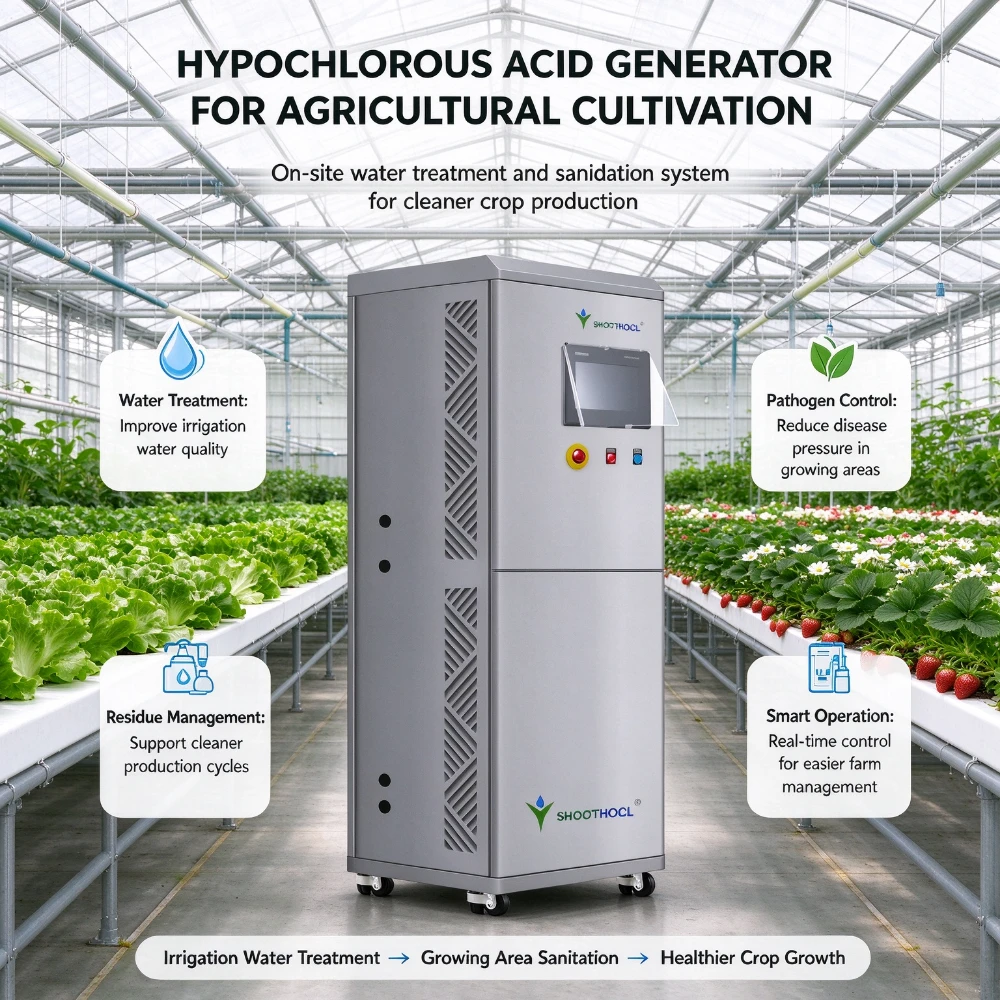

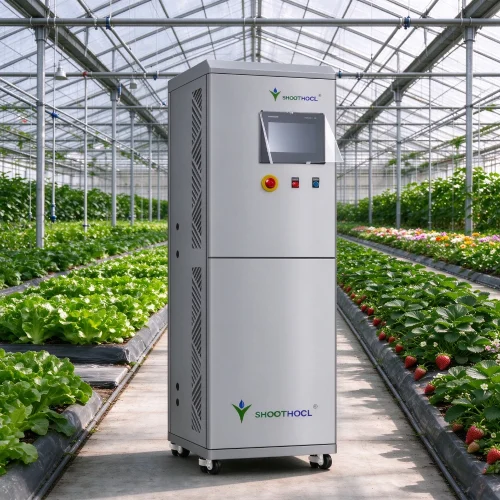
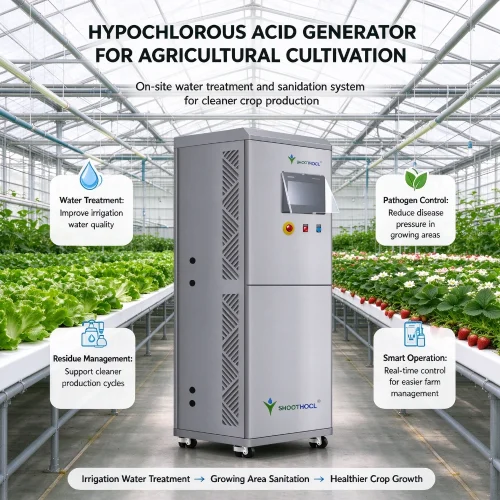






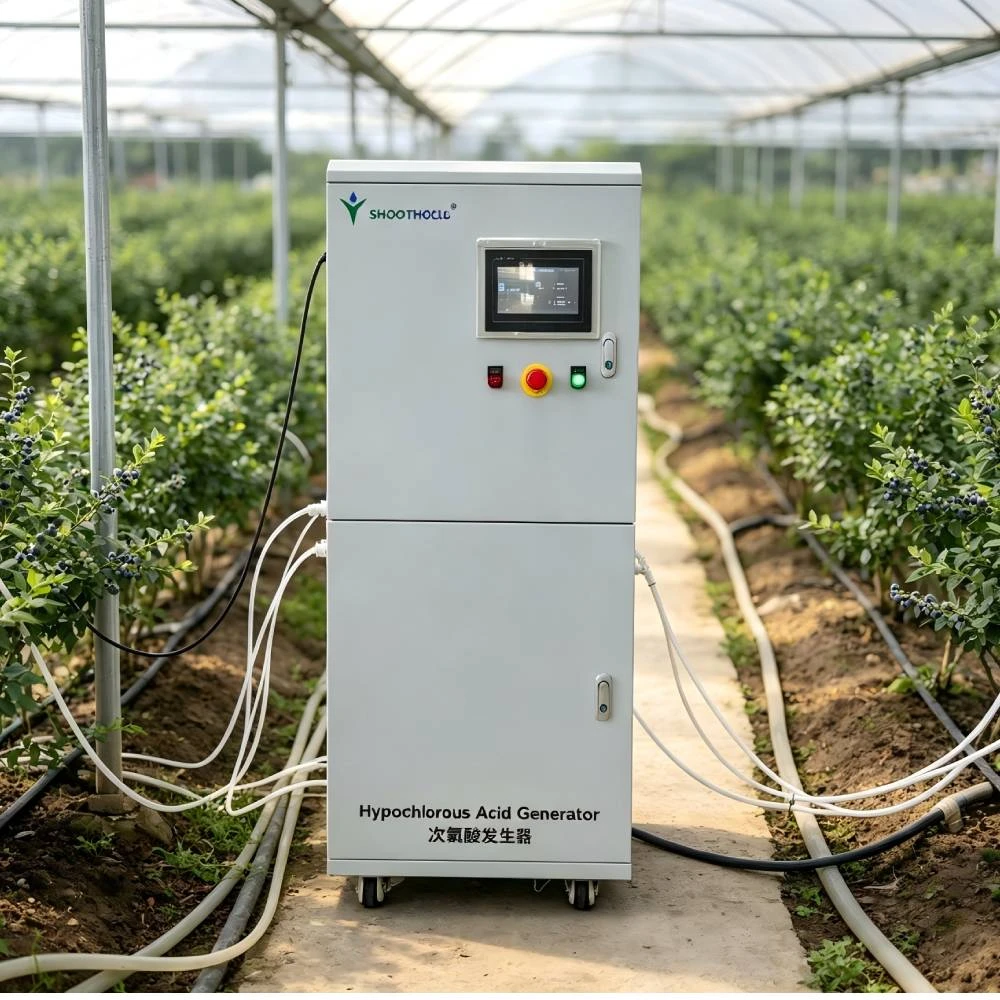
Hypochlorous acid (HClO) is a naturally occurring bactericidal substance in the human immune system. It has the characteristics of broad-spectrum bactericidal effect, rapid onset, no residue. And low irritation to animals and plants. The hypochlorous acid generator can prepare high-purity and highly stable hypochlorous acid solution on site through electrolysis technology (mostly salt water electrolysis). Without the need for complex storage and transportation. This not only reduces the usage cost but also ensures the activity of hypochlorous acid. Perfectly meeting the core demands of agricultural planting for “immediate needs and safety without harm”. Throughout the entire cycle of agricultural planting. The application scenarios of hypochlorous acid generators cover multiple key links from seedling raising to harvest. And their value is being recognized by an increasing number of farmers and agricultural bases.

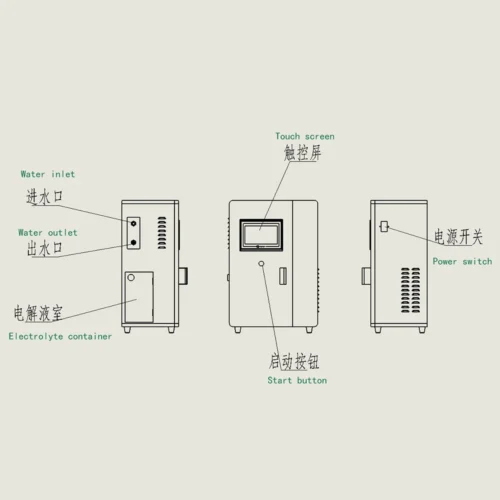
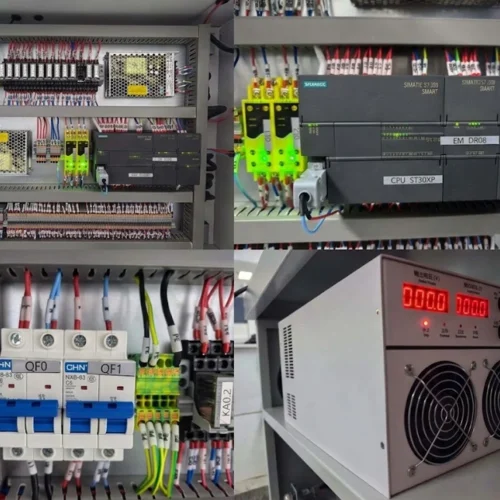
Parameters of hypochlorous acid generator equipment
| Name | Hypochlorous acid generators are used in agricultural planting |
|---|---|
| flow | 500L/H |
| Concentration | 10-500PPM(Adjustable) |
| Electrolyte | Salt(Nacl) Or potassium chloride (KCL) |
| Hypochlorous acid PH | 5-6.5 |
| Sodium hydroxide PH | 10-13.5 |
| Voltage | 380V/50Hz |
| The proportion of hypochlorous acid in ACC | 98.50% |
| Softened water system | One on standby and one in use |
| Weight | 250kg |
| Dimensions of hypochlorous acid generator | 460*420*1200mm |
The core application of hypochlorous acid generators in agricultural planting
1,Disinfection of the planting environment and facilities
Soil disinfection: Before sowing or transplanting. Irrigating the soil with a low-concentration hypochlorous acid water solution can effectively kill soil-borne pathogenic bacteria. Nematodes and other harmful organisms, prevent root rot, damp-off and other diseases, and is significantly superior to highly toxic traditional soil fumigants.
Greenhouse disinfection: Spray or atomize the framework, walls, floors, seedling trays. And cultivation troughs of greenhouses and sheds to thoroughly eliminate pathogens in the environment and create a clean growth space for crops.
2,Agricultural irrigation water treatment
Pathogenic bacteria are often spread through irrigation water. Connecting a hypochlorous acid generator to the irrigation system can continuously disinfect the water source. Kill pathogenic bacteria in the water (such as Euvenia, Humus, etc.), effectively prevent diseases transmitted through water sources, and ensure the health of crop roots.
3,Foliar spraying of crops and disease control
At the early stage of disease occurrence or as a preventive measure. Spray a low-concentration hypochlorous acid aqueous solution directly onto the leaves and stems of crops. It can safely and effectively prevent and control common leaf diseases such as powdery mildew. Downy mildew and gray mold, and there is no need to worry about pesticide damage and pesticide residues.
4,Seed and seedling treatment
Soaking and disinfecting seeds can eliminate pathogenic bacteria carried on the surface of the seeds. Improve the germination rate and the health of seedlings. Similarly, dipping the roots of tissue culture seedlings or cuttings can prevent root infection after transplantation.

The application advantages of hypochlorous acid generators and their application value in agriculture
Highly efficient and broad-spectrum: Instantly kills the vast majority of bacteria, viruses and fungi, with a fast action speed.
Safe and residue-free: Safe for humans, animals and plants, with no harmful substances after decomposition, meeting organic agriculture standards.
Environmentally friendly: Does not pollute the environment, soil or water sources, and protects ecological balance.
Reduce drug resistance: Physical sterilization mechanism makes it less likely for pathogens to develop drug resistance.
Cost reduction and efficiency improvement: Only salt and water are needed as raw materials, with low operating costs. It can reduce or even replace the purchase and use of traditional chemical pesticides, achieving significant comprehensive economic benefits.
Enhance quality: Produce safer and healthier agricultural products to meet consumers’ demands for high-quality, pesticide-free food and enhance market competitiveness.

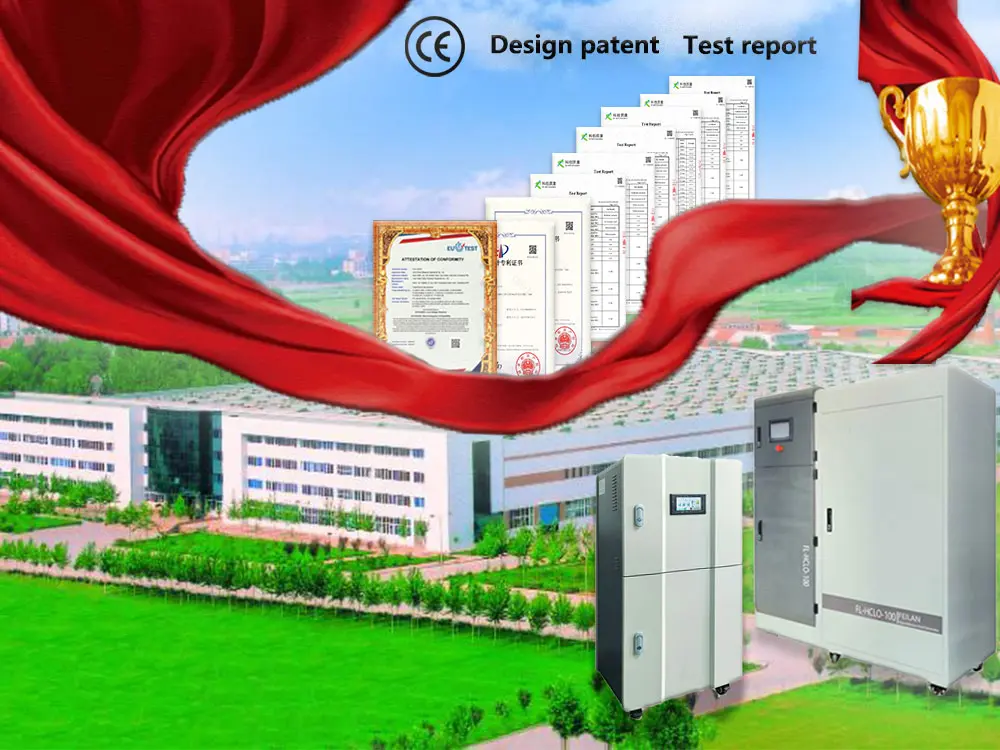
Company strength
Shipping capacity

FAQ
How should the concentration of hypochlorous acid solution used in agricultural planting be selected? Are there any differences in concentration in different scenarios (such as seedling raising, foliar spraying, and root irrigation)?
The concentration of hypochlorous acid solution needs to be adjust according to the specific planting scenario. The core principle is “effective sterilization without harming crops”, and the recommended concentration varies greatly in different scenarios
Seedling stage: Substrate disinfection, seedling tray cleaning and air disinfection in the seedling greenhouse. It is recommend to use a hypochlorous acid solution with a concentration of 50-80 PPM. This concentration can kill the damping-off pathogen in the substrate and the spores of mold in the seedling environment. While avoiding scorching the root system and tender buds of delicate seedlings.
Foliar spray during the growth period: For the prevention and mild control of diseases such as powdery mildew and downy mildew. Or pests such as aphids and thrips, a concentration of 100-150 PPM is recommend. It is necessary to evenly spray it on both sides of the leaves. This can not only destroy the cell membranes of pathogenic bacteria but also avoid leaving residues on the leaf surface, thus not affecting the photosynthesis of crops.
Root irrigation treatment: When improving soil continuous cropping obstacles and preventing soil-borne diseases such as root rot, the concentration should be reduce to 30-50 PPM. Low concentrations can gently kill harmful bacteria in the soil while protecting beneficial microorganisms in the soil (such as rhizobia), avoiding the disruption of the soil micro-ecological balance.
Post-harvest preservation: For the preservation of fruits and vegetables by soaking or spraying, it is recommend to use a concentration of 80-120 PPM. For example, strawberries can be soak in a 100ppm solution for 30 seconds, and citrus fruits can be spray with an 80ppm solution. This not only extends the preservation period but also does not affect the taste and flavor of the fruits and vegetables.