

What is hypochlorous acid: Why is it good for pets
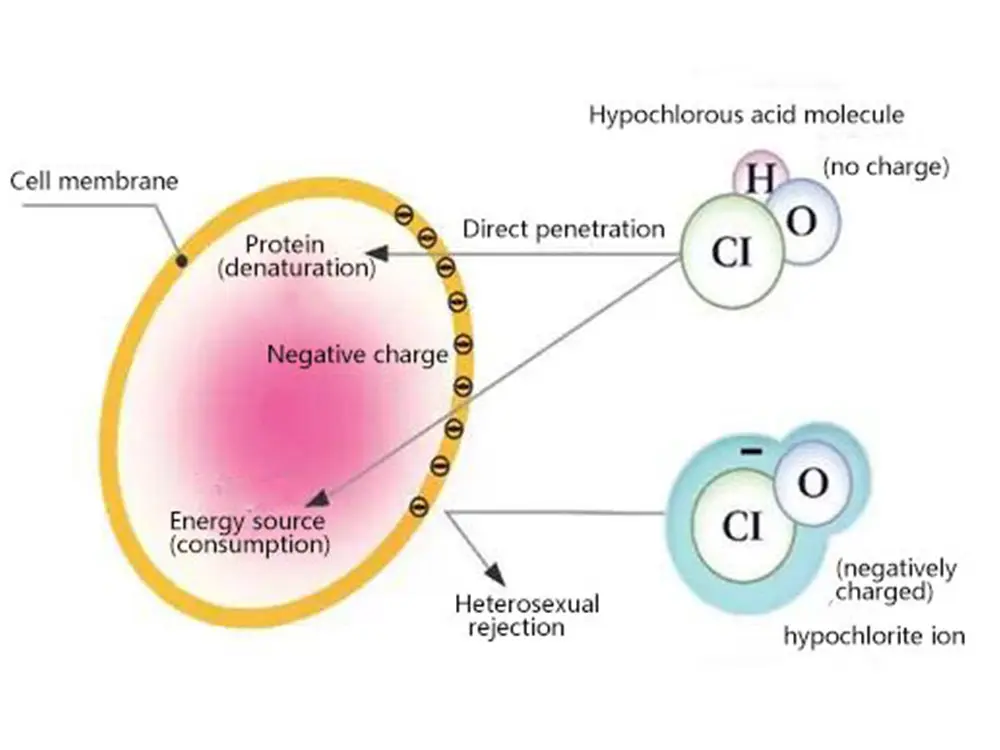
Hypochlorous acid is a weakly acidic. Strong oxidant that, in humans and pets. Is the immune system’s first line of defense against pathogens. When white blood cells (neutrophils) encounter invading bacteria or viruses. They will produce hypochlorous acid through the enzyme Myeloperoxidase. Which will gently dissolve the pathogen.
When it comes to pet apps. Security is a primary concern. A systematic toxicological evaluation published in Chinese Journal of Disinfection in 2025 confirmed that the acute oral toxicity of mildly acidic hypochlorous acid water (available chlorine 550 mg/L) to mice was > 5000 mg/ (kg·bw), which was in the “actual non-toxic grade”. The intensity of stimulation was “no irritation” or “very light irritation” even if the damaged skin of guinea pig or rabbit eye mucosa were directly contacted. This means that even small amounts consumed by pets while licking hair or wounds will not cause chemical burns, which is significantly different from traditional chlorinated disinfectants (such as 84 disinfectant) or phenolic disinfectants.
Clinical treatment scenario: Dermatophyte and wound management
Skin problems are the number one reason pets visit. Traditional topical remedies often contain hormones or antibiotics and can cause a tingling sensation. Hypochlorous acid has shown great potential in clinical dermatology due to its anti-inflammatory, analgesic and bactericidal properties.
1: Breakthrough in fungal skin diseases
One of the most common skin diseases in dogs and cats is ringworm disease caused by Microspora Canis. An animal model study published in the Korean Veterinary Journal in 2025 gave clear data:
- The effective concentration is very low: in vitro tests show that hypochlorous acid can inhibit Microsporidium Canis at a concentration of less than 10 ppm (mg/L).
- The clinical effect was remarkable: in a mouse model of infection. The use of 30 ppm of slightly acidic hypochlorous acid water once daily led to a significant decrease in skin lesion scores after only 3 days. And the infected area began to shrink on the first day. However, the effect of 50 ppm concentration group was better. Studies have shown that this is attributed to the irreversible destruction of fungal cell wall and cell membrane structure by HOCl.
2:Wound care and postoperative recovery
The clinical guidelines of the VCA Animal Hospital state that hypochlorous acid topical applications (e.g., sprays, gels) are widely used to treat abscesses, abrasions, postoperative incisions, and burns. Its unique advantage lies in its ability to destroy biofilms. A protective shell of drug-resistant bacteria commonly found in chronic wounds. In addition, by regulating the migration of fibroblasts. HOCl not only disinfects, but also promotes the growth of granulation tissue. And can relieve the pain and itching caused by inflammation. Reducing the behavior of pet biting wounds.
Prevention and control of severe infectious diseases: disinfection of air and surfaces
Canine and feline infectious diseases. Such as distemper (CDV). Feline herpesvirus (FHV), and feline calicivirus (FCV). Are highly resistant to the environment and are often transmit by contact and droplets.
1,Empirical evidence for aerosol disinfection in space
Panasonic partnered with Kitasato Environmental Science Center to release a landmark study in 2024. In a space of about 25 cubic meters. By simply passing air through a filter soaked in about 100 ppm hypochlorous acid solution. The available chlorine components that are evaporate inactivate canine ememper virus (CDV) and feline herpes virus (FHV) on surfaces more than 99% of the time within 120 minutes
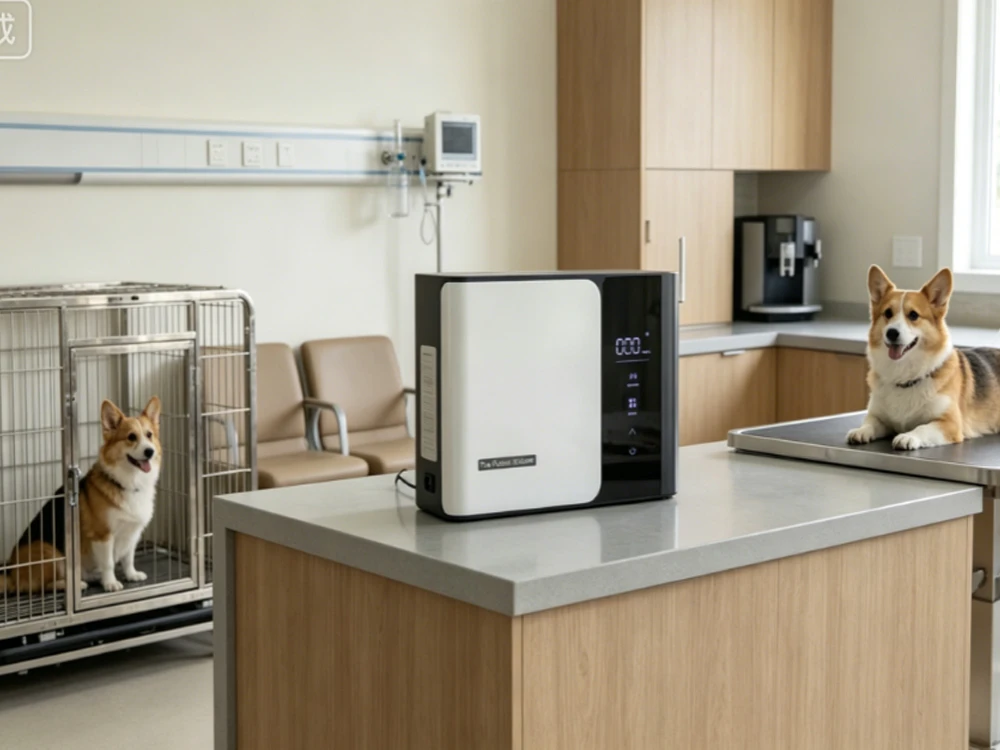
This finding overturns the limitations of traditional “wipe disinfection” and demonstrates that aerosolized or volatile hypochlorous acid can effectively purify air and surfaces in closed environments. Which has extremely high practical value for controlling respiratory disease outbreaks in cattery. pet hospitals and shelters.
2,Efficient killing of non-enveloped viruses
Nonenveloped viruses (e.g., feline pestivirus FPV, canine parvovirus CPV) are a challenge for disinfectant. A 2023 study in China Detergent Industry pointed out that hypochlorous acid is also effective against such viruses. It can completely lose the infectivity of canine parvovirus after 15 minutes at room temperature. The cat plague virus can be inactivate by 5 minutes. In addition, for the variant cat calicvirus (a model virus for human norovirus research). A 2017 study confirmed that 600 ppm of hypochlorous acid could still reduce viral loads by 4 log values (99.99%) in 30 seconds under interference of up to 5% of serum proteins (mimicking an organic contamination environment).

Precautions for hypochlorous acid generator
Although hypochlorous acid is extremely safe and highly effective, there are scientific details to be aware of:
- Protect from light: Hypochlorous acid is unstable, easy to decompose into salt and water in light, heat or air, so it is necessary to use a light-tight container for storage, and use up as soon as possible after opening.
- Prepare and use immediately: Shoot hypochlorous acid generators (water electrolyzers) can provide the best-quality fresh solution.
- Concentration adjustable: daily skin care generally use 30-50 ppm; Environmental kill can use 100-200 ppm.

FAQ
Is hypochlorous acid safe for pet wound disinfection?
Based on the latest toxicology evaluation and clinical veterinary research published in 2025, Hypochlorous Acid (HOCl) is not only non-irritating to damaged pet skin, but also shows better biocompatibility than traditional disinfectant.