

Livestock farms face two big challenges every day: strong odors and disease risks. Both harm livestock, workers, and nearby communities. Our company offers two disinfection systems with different technologies: the mixing-type hypochlorous acid generator and also ECA generator. Both work on-site to solve these two problems. They produce hypochlorous acid. This solution kills bacteria and neutralizes bad smells. Besides, it leaves no toxic chemical residues. So how do you choose?
How the Electrolytic ECA Generator Works
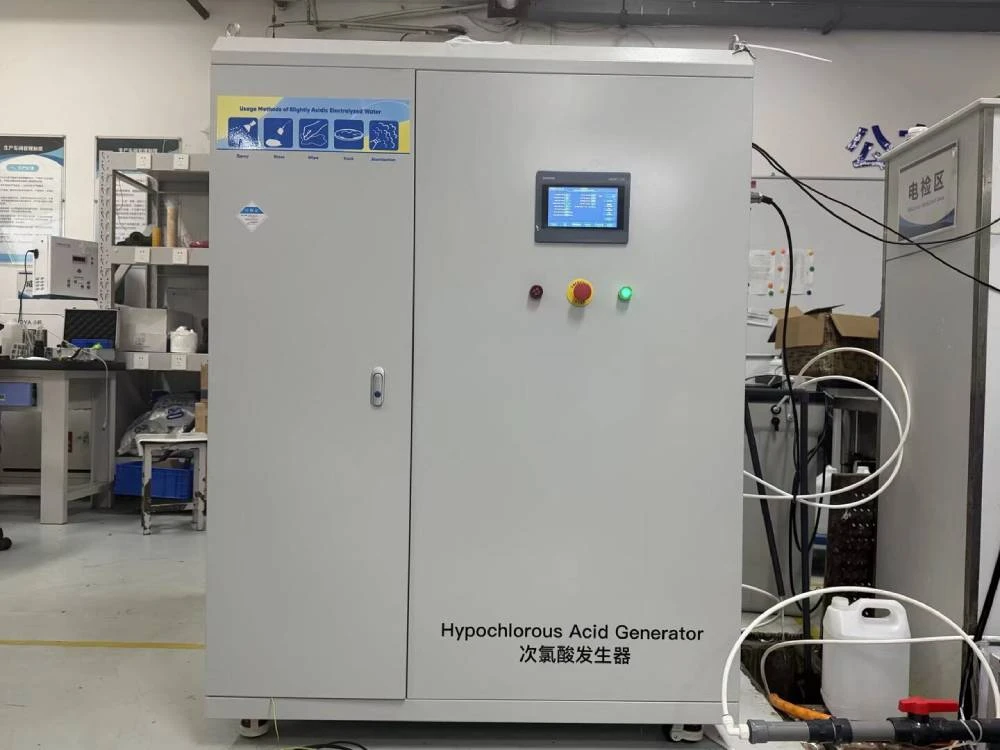
We have two raw material options for electrolytic ECA generators: sodium chloride (NaCl) and hydrochloric acid (HCl). Today we will focus on diluted hydrochloric acid. Feed diluted hydrochloric acid into our advanced electrolytic cell at the same time. Direct electrochemical reactions turn the acid into pure active hypochlorous acid (HOCl). Its biggest benefit is excellent pH stability. You do not need frequent calibration. Therefore, farmers who want reliable operation and minimal manual work pick this solution.
How the Mixed-Acid Generator Works
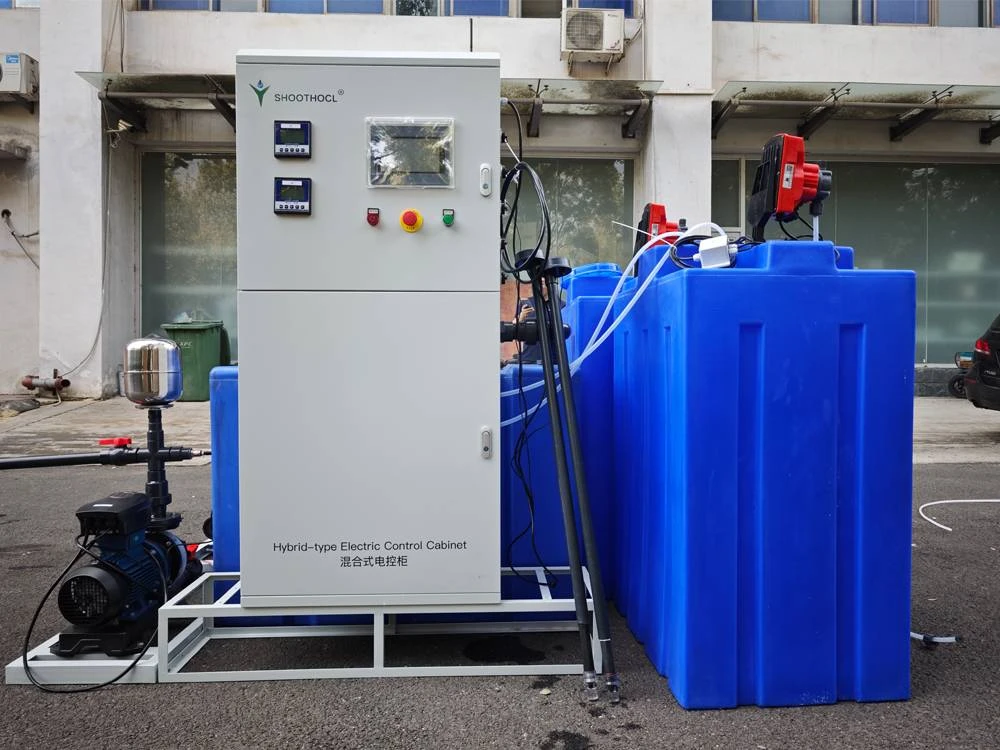
The mixed-acid generator works with sodium hypochlorite and also food-grade hydrochloric acid. Pump both chemicals into a controlled reaction chamber. It adjusts pH precisely and also keeps the value between 5.0 and 6.5. This pH range maximizes the conversion rate of sodium hypochlorite. As a result, you get powerful disinfectant, and the equipment costs less upfront.
Key Differences Every Farmer Should Consider
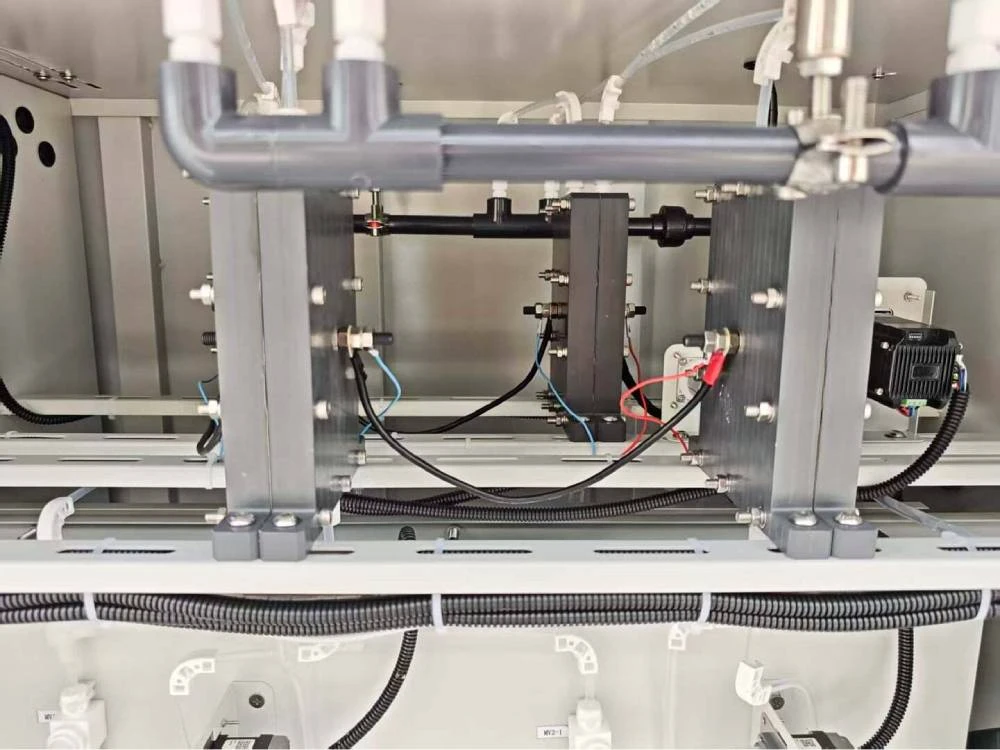
- Equipment cost. The mixed-acid generator comes at a relatively low price. Electrolytic ECA generators cost a bit more than mixed-acid units with the same concentration and flow rate. They use ruthenium-iridium coated electrolytic cells inside. (See figure below)
- Raw material cost. Both systems use bulk chemicals as raw materials. These materials are cheap and also easy to source anywhere.
- pH control. Electrolytic ECA units maintain precise pH through direct electrolysis. In comparison, mixed-acid systems rely on acid-base neutralization at the same time. They produce hypochlorous acid solution with pH from 5.0 to 6.5. So their pH accuracy is lower than the electrolysis method.
Which System Fits Your Operations?
If you have a tight budget, trained operators, and need fast large-volume production, pick the mixed hypochlorous acid generator system.
>On the other hand, choose the ECA generator if you prioritize steady output, safer chemical handling and lower long-term maintenance costs.
>Both systems offer excellent deodorization and disinfection performance.
Connect With Our Equipment Experts
We manufacture and supply both electrolytic ECA generators and mixed-acid disinfection systems. Tell us your barn dimensions, daily water consumption, and also target applications. Contact us today for a personal consultation and custom quotation!
FAQ
What is the difference between the electrolytic method and the mixed-acid method?
Electrolytic Method: Uses a single raw material (diluted hydrochloric acid) passed through an electrolytic cell to generate pure HOCl. It provides superior pH stability and maximum operational safety.
Mixed-Acid Method: Combines sodium hypochlorite (bleach) with food-grade acid in a mixing chamber to adjust the pH to 5.0–6.5. It features lower initial equipment costs and uses cheap, globally available raw materials.