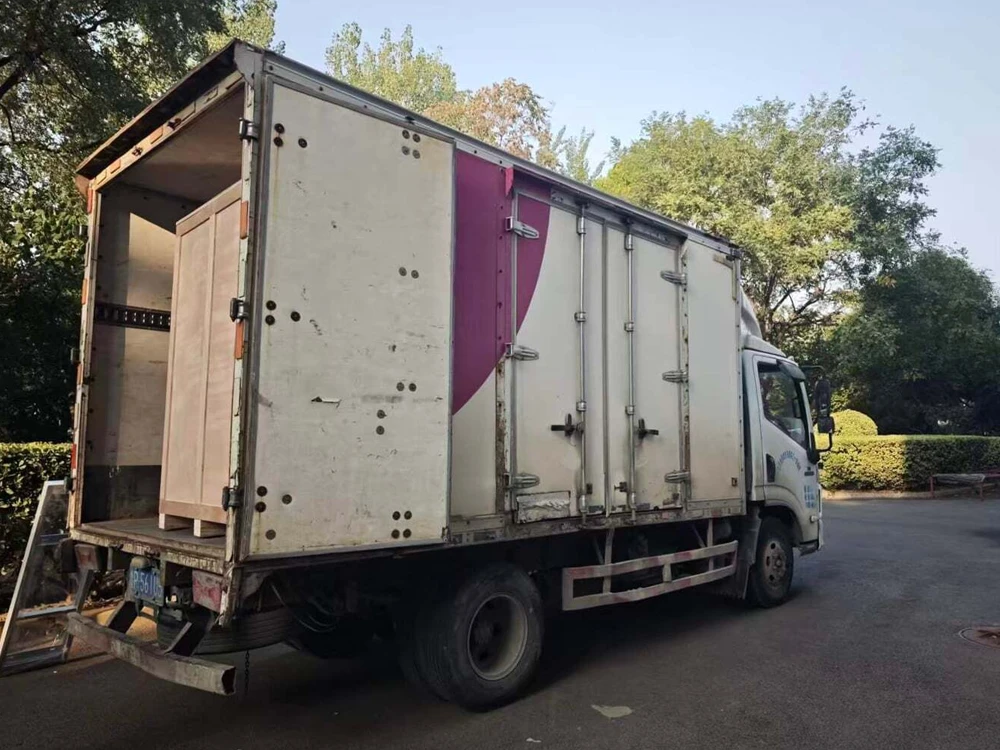
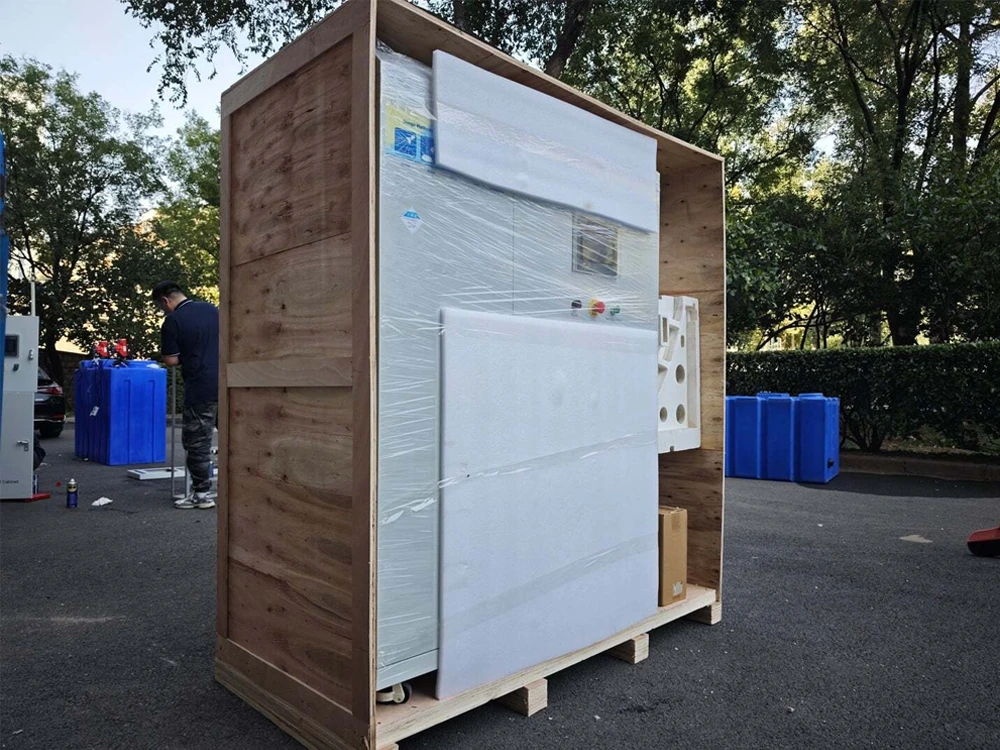
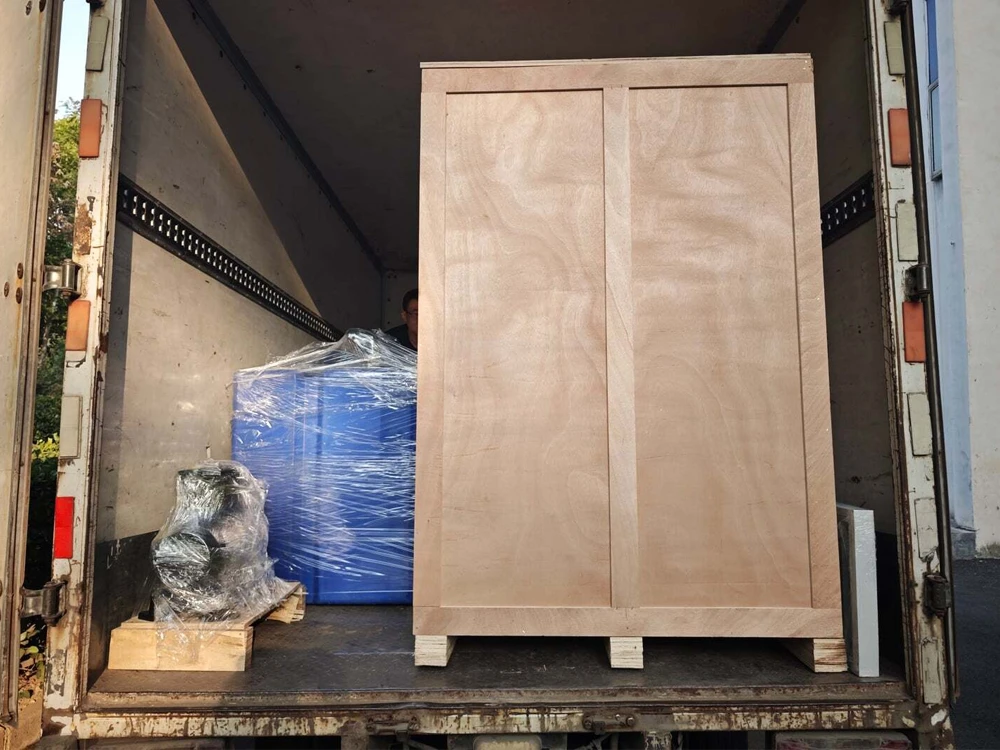
Multiple SHOOTHOCL hypochlorous acid generators have been dispatched recently. A mixed‑process unit goes to Guangxi in China. Meanwhile, an electrolysis‑type unit is shipped overseas to Venezuela. Accordingly, the two different technologies meet local practical needs and support biosecurity‑oriented production for domestic and global clients.
Mixed‑Process vs Electrolysis‑Type: How to Choose
n fact, many buyers hesitate over these two technical options. Both produce weakly‑acidic HOCl water with broad‑spectrum disinfection capability. Nevertheless, they differ greatly in raw‑material requirements and operating features.
Mixed‑Process Unit (Guangxi, China)
To start with, it adopts acid‑base mixing reactions for stable operation and consistent pH control. Besides, consumables are easy to source locally. Therefore, it suits domestic farms, agricultural bases and public stations for large‑scale regular disinfection and deodorization at lower running costs.
Electrolysis‑Type Unit (Venezuela, South America)
By contrast, this model generates disinfectant on‑site using only salt and water. For remote overseas regions with limited chemical supplies, this is a key benefit. Furthermore, it eliminates troubles from cross‑border chemical transport and fits long‑term sanitization for overseas farms, projects and public areas.
Customized Global Disinfection Support
SHOOTHOCL selects suitable models and builds tailored proposals. Specifically, we evaluate local raw‑material availability and real‑world usage scenarios, for both domestic breeding sites and overseas environmental‑hygiene projects.
If you are confused between mixed‑process and electrolysis‑type equipment, contact our team. We will recommend the best‑fit unit and provide free disinfection plans based on your location, water quality and application requirements. Submit your inquiry today.
FAQ
Q1: What is the core difference between mixed‑process and electrolysis‑type hypochlorous acid generator?
A: The mixed‑process hypochlorous acid generator produces hypochlorous acid water through acid‑base chemical reaction. To begin with, it maintains stable pH performance and its consumables are simple to source locally. Therefore, it fits sites with convenient chemical supply. In contrast, the electrolysis‑type hypochlorous acid generator creates hypochlorous acid by electrolyzing salt and water. Furthermore, it does not need extra chemical reagents. As a result, it is perfect for remote regions with unreliable chemical logistics.
Q2: Is hypochlorous acid water from both types safe for livestock disinfection and crop foliar spraying?
A: Yes. First of all, both
hypochlorous acid generator models output weakly acidic hypochlorous acid water at pH 5.0–6.5. Besides, this solution delivers broad‑spectrum sterilization and leaves no persistent toxic residues. Moreover, it will not cause animal stress or burn plant leaves.
Q3: What inlet water quality do hypochlorous acid generator units require?
A: In fact, hard tap water will cause scaling and shorten the lifespan of core parts. Fortunately, if you only have hard water on site, we can add an optional water softener module to your hypochlorous acid generator.