

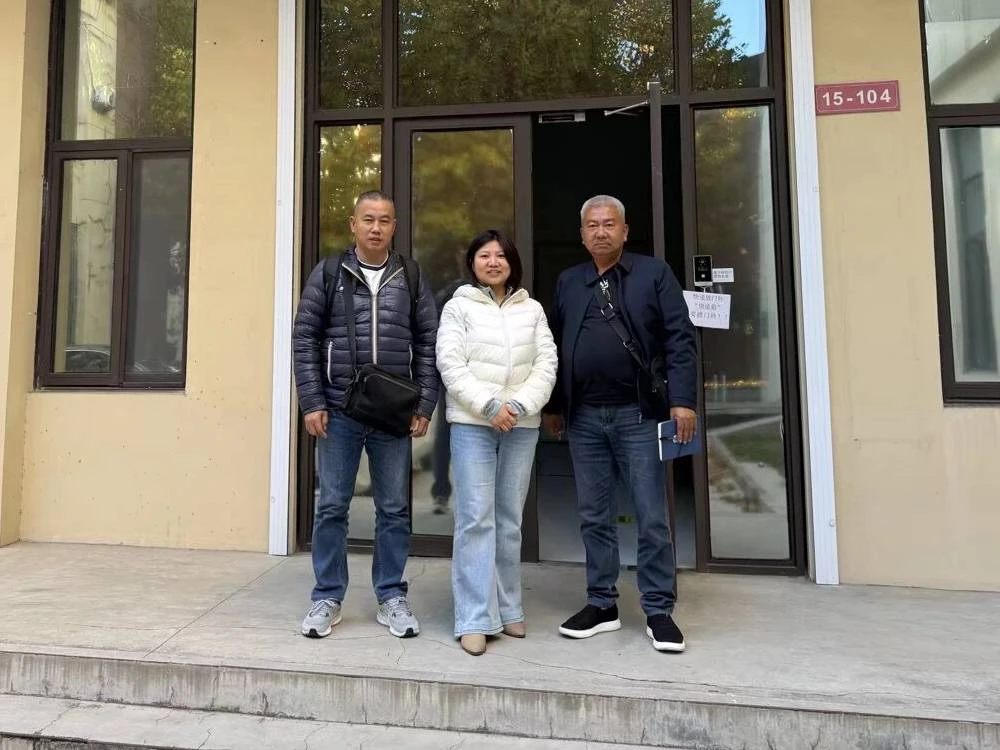
On November 18, 2026, our factory welcomed a project director from a large livestock farming center in Southeast Asia at the same time. We held an in-depth technical discussion on adopting the SHOOTHOCL hypochlorous acid (HOCl) generator system. Specifically, we explored how to protect their massive, thousand-acre farm from African Swine Fever (ASF) and Avian Influenza, as well as how to sanitize animal drinking water on-site. Following the session, both parties finalized subsequent procurement plans right on the spot.
1. A New Scientific Approach to Livestock Biosecurity
Infectious diseases threaten every modern livestock farm. Viruses like Avian Influenza, African Swine Fever (ASF), and also Foot-and-Mouth Disease can devastate an entire herd overnight. Meanwhile, harsh chemical disinfectants irritate animal airways and rust metal cages. Today, smart farm managers solve these problems with one reliable solution: an on-site hypochlorous acid generator.
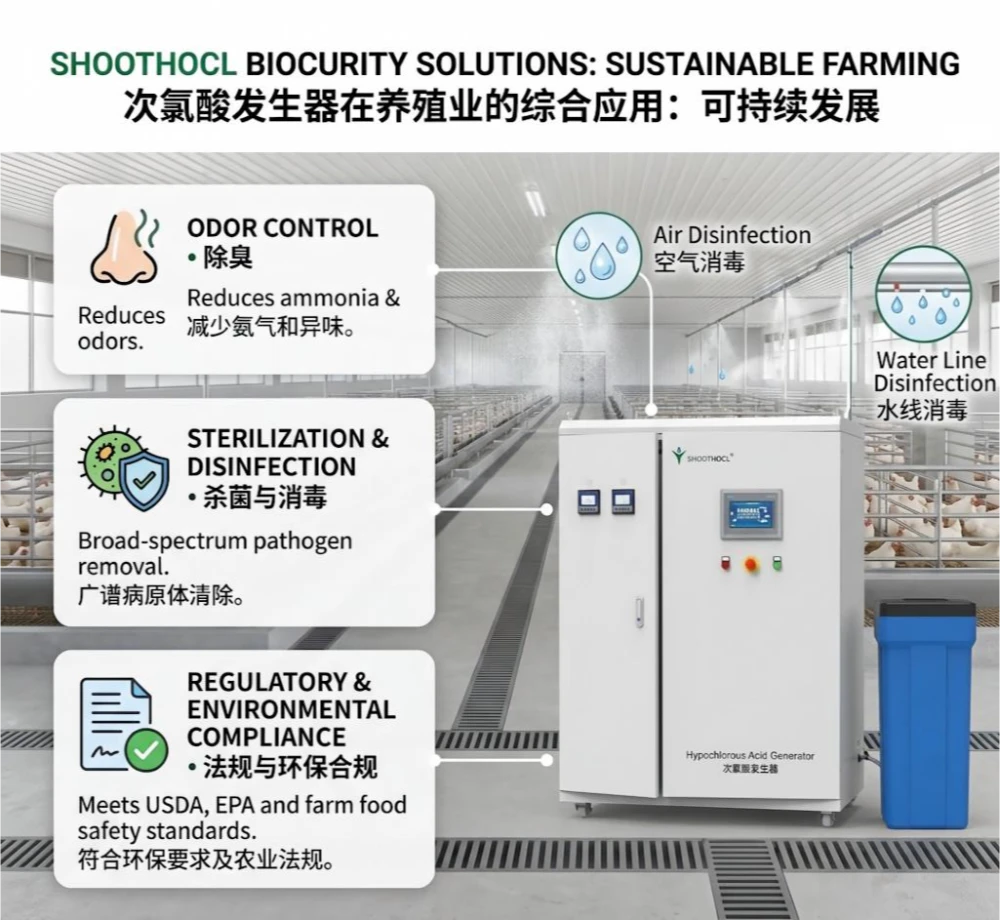
2. Versatile Applications of the HOCl Machine to Prevent Outbreaks
Our HOCl generator covers every biosecurity checkpoint across your farm:
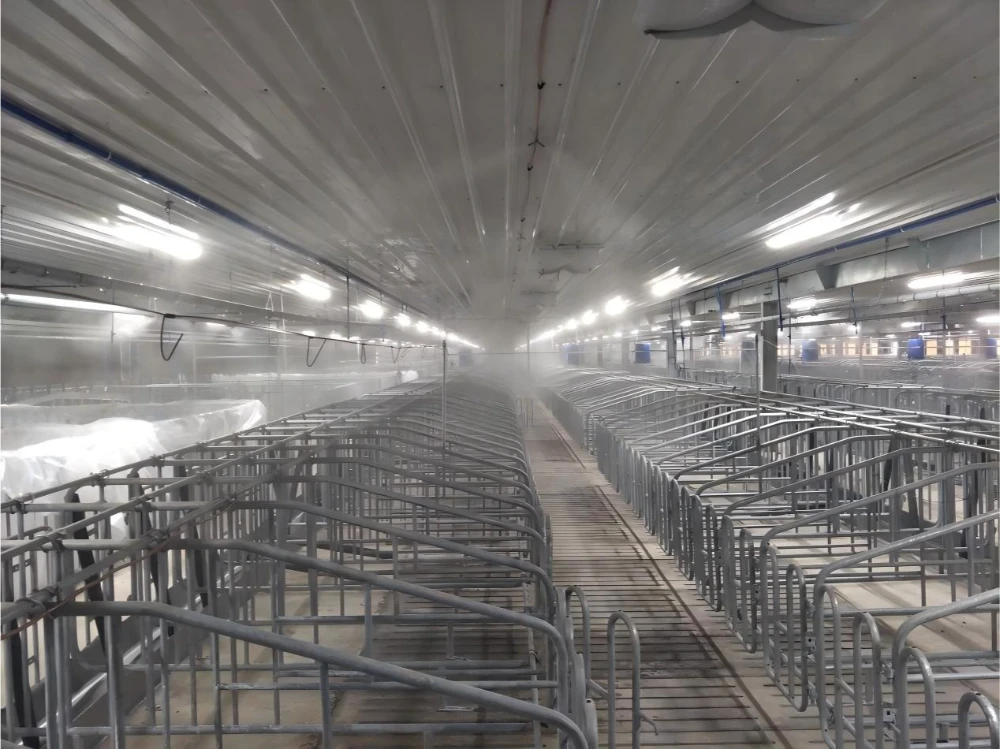
1. In-barn misting for continuous air and also surface disinfection.
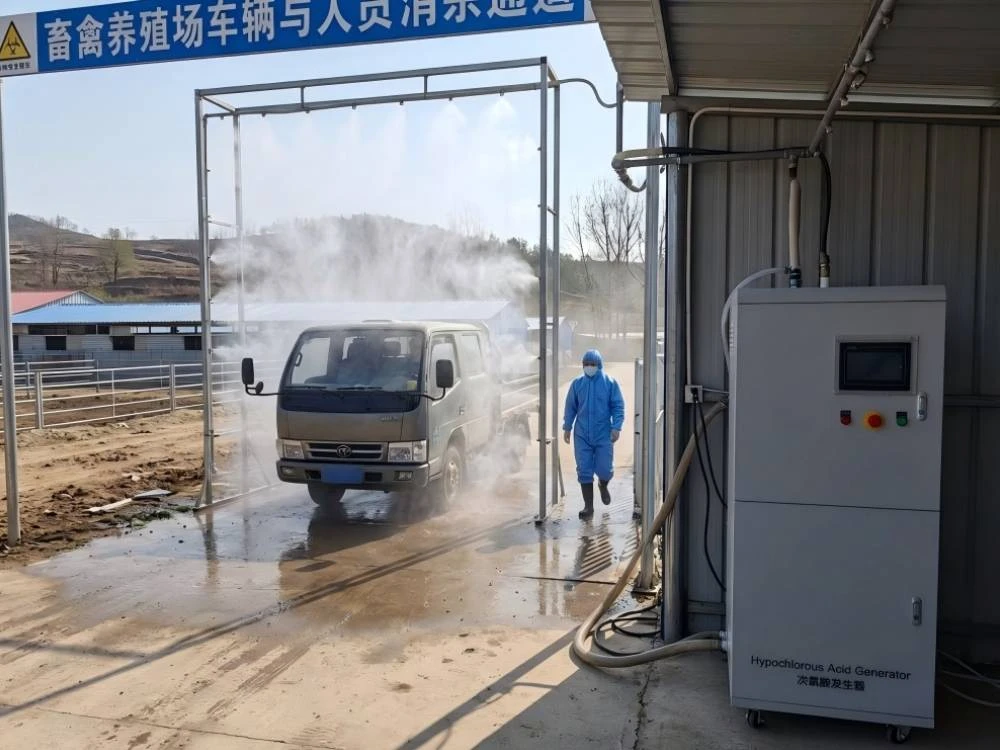
2. Entryway sanitization for incoming vehicles and also personnel.
3. Terminal disinfection of empty barns between batches at the same time.
4. Drinking water treatment, alongside waterline and also equipment sanitization.
For precise dosing, please refer to the standard concentration guide below:
| Application Scenario | Available Chlorine (mg/L) | Notes |
|---|---|---|
| Pig Barn Routine (With Animals) | 40–80 | 80–100 mg/L during high-risk periods |
| Layer Barn Routine (With Birds) | 40–80 | 100–150 mg/L during high-risk periods; avoid spraying eggs |
| Empty Barn Terminal Disinfection | 80–150 | Apply after thorough cleaning and manure removal |
| Incoming Vehicle Disinfection | 80–100 | Spray continuously for at least 15 minutes |
| Pig Drinking Water (End-of-Line Residual) | 0.3–0.5 | 0.2–0.3 mg/L for weaned piglets |
| Layer Drinking Water (End-of-Line Residual) | 0.2–0.4 | 0.15–0.3 mg/L for chicks |
| Waterline Soaking (Biofilm Removal) | 3–10 | Flush thoroughly after soaking; not for long-term drinking |
Why Choose the SHOOTHOCL Hypochlorous Acid Generator?
- Low Operating Costs: The system uses only salt, water, and also electricity. You do not need to buy extra chemicals, which simplifies procurement. Salt consumption remains extremely low, keeping HOCl production costs under $0.027 USD per liter.
- Smart Automation: Equipped with PLC control and also an RS485 Modbus interface, the unit connects seamlessly to your existing farm automation systems.
- Long Lifespan: We design each machine for a 10-year service life, backed by an electrolytic cell warranty of up to 30,000 hours at the same time.
- High Purity and Safety: Pure HOCl accounts for over 98.5% of the available chlorine content (ACC). Consequently, the solution delivers rapid sterilization without irritating animals, workers, or metal equipment.
- Easy Installation and Maintenance: The highly integrated, plug-and-play unit only requires simple pipe connections at the same time. Furthermore, it supports 4G and IoT remote monitoring for effortless management.
- Proven Global Support: With over 10 years of industry experience, we export to 37 countries and also serve many leading livestock brands. Our team brings rich, hands-on expertise to every project at the same time.
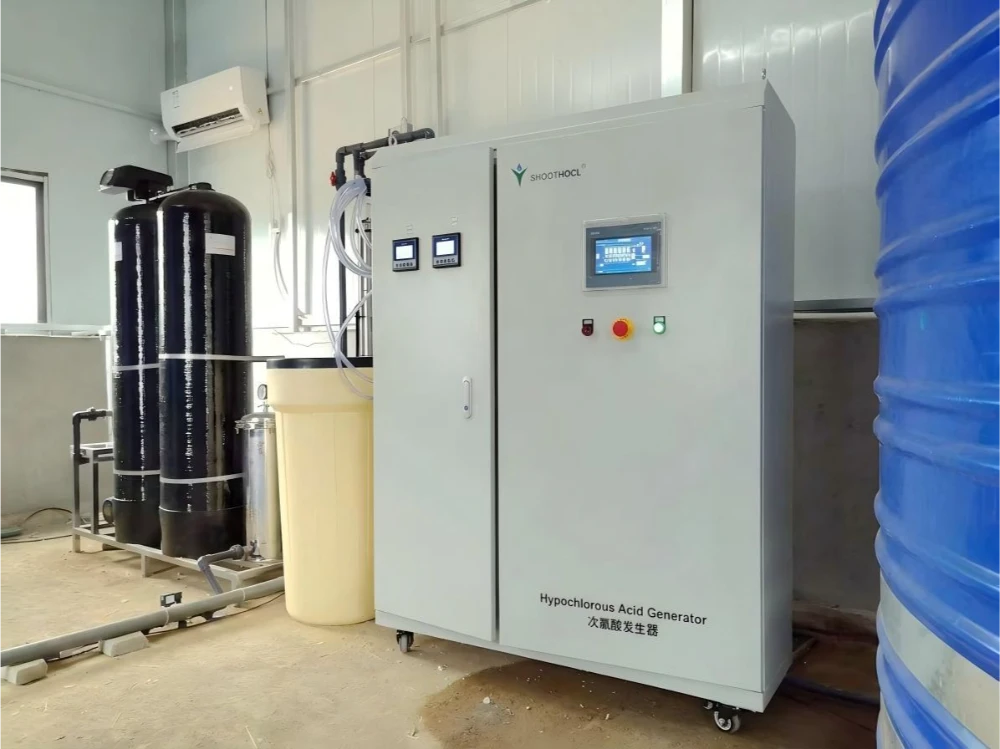
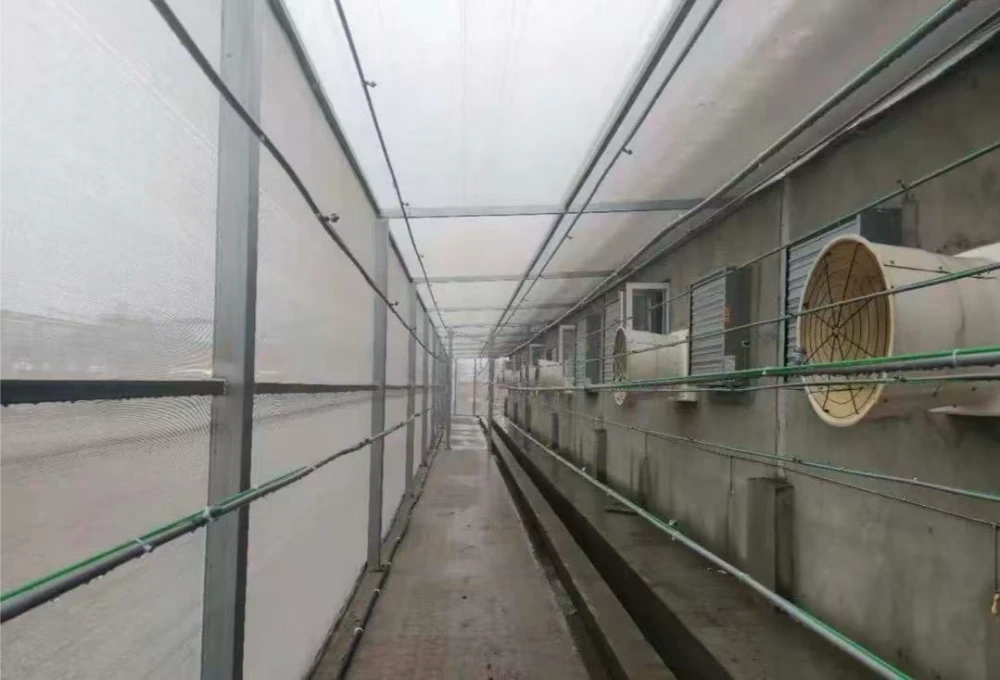
Additionally, our on-site HOCl generation system excels at livestock farm odor control. If you have related needs, please leave a message below to get a free customized solution.
FAQ
1. What methods work best for livestock farm deodorization and sterilization?
You can integrate our generator with high-pressure misting systems for air deodorization. Alternatively, you can feed the HOCl solution directly into evaporative cooling pads to neutralize odors as air enters or exits the barn.
2. What HOCl parameters should I use for livestock odor control?
To achieve strong deodorization without wasting resources, we recommend a concentration of 100–150 ppm with a pH between 5.0 and 6.5 . However, exact settings also depend on your spray method and misting frequency. Feel free to message us for a tailored consultation.