
Lundgren Farm in southern Northern Europe is a modern chicken farm with a history of 30 years. It has 25,000 laying hens and mainly supplies organic eggs to the Northern European market. As an EU certified organic farming company. The farm always strictly follows the EU Organic Farming Regulation. But the traditional disinfection method has long been a problem for the farmer Anders Lundgren.
“Before, we used quaternary ammonium disinfectants and ultraviolet light to sterilize the equipment, but the problem was always there,” the farmer said. “Anders recalls. In northern Europe, the winter is long and cold, and the chicken farms are tightly closed. The chemical residues of traditional disinfectants not only affect the quality of eggs. But also stimulate the respiratory tract of the chickens. Resulting in the fluctuation of egg production rate. However, ultraviolet disinfection has blind Angle of exposure. Which is difficult to cover key areas such as crevices and feed tanks of chicken coop. More importantly, the EU has increasingly stringent chemical residue limits for farming. The use of traditional disinfectants has put farms under pressure to comply. And the chemicals in wastewater discharge are also contrary to the concept of “ecological farming” advocated in northern Europe.
With the expansion of the farm. Anders urgently needed a residue free, high efficiency, low temperature suitable and environmentally friendly disinfection solution that would guarantee the health of the chickens and product safety. While reducing operating costs and environmental impact.
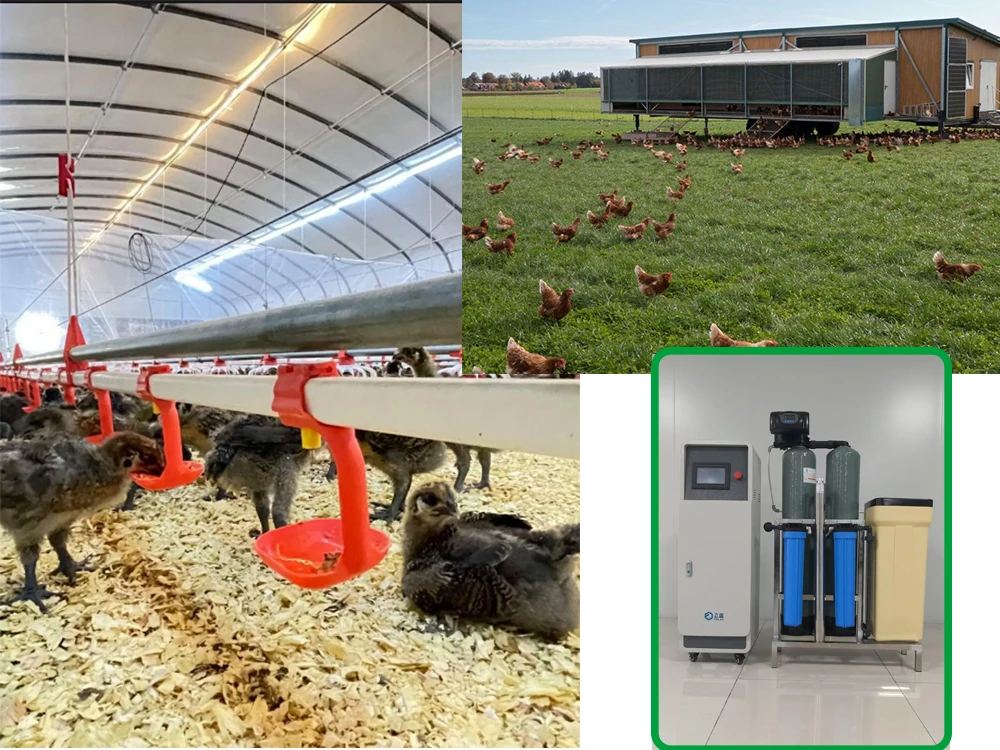
After comparing local disinfection equipment and traditional chemical disinfector suppliers in Europe. Lundgren Farm finally selected the hypochlorous acid generator from China (model: FL-SAEW-1000).
Hypochlorous acid (HClO) as a broad-spectrum fungicide, sterilization rate of 99.99%. Can quickly kill avian influenza virus, E. coli and other common pathogenic bacteria in aquaculture. And disinfect into water and salt. Without any chemical residues, perfect fit for the “zero pollution” requirements of organic aquaculture. At the same time, the equipment can run stably under the environment of 5-30℃. Which is suitable for the low temperature working condition of the chicken house in northern Europe in winter. And solves the problem of low temperature efficiency attenuation of traditional equipment.
Application effect: The data witness the upgrading of breeding quality
Since its commissioning in June 2023, the hypochlorous acid generator has made a significant difference to the Lundgren farm. The key data are as follows:
1:The incidence of respiratory diseases in chickens decreased from 8.3% to 2.1%, and the mortality rate decreased by 37%.
2:The egg production rate increased by 5.2%, of which the proportion of A-grade eggs increased from 89% to 96.7%, and the product premium space increased.
3:The annual labor cost of disinfection is saved by 48,000 euros, the annual raw material cost is saved by 31,000 euros, and the overall operating cost is reduced by 15%.
4:The wastewater discharge test all reached the standard, no environmental penalty occurred, and the green aquaculture was commended by the local agricultural department.
“The choice of hypochlorous acid generator is one of the best decisions we have made in recent years.” “Not only has it solved the disinfection problem, but it has also improved the quality and the brand,” Anders told the local agricultural press. “Now we have more organic eggs than we need in Sweden, Denmark and other countries.”

Customer feedback: word-of-mouth transmission from recognition to recommendation
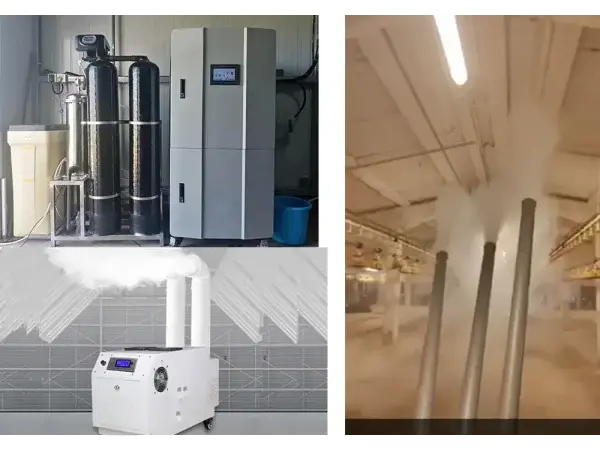
The successful case of Lundgren farm attracted attention in the Nordic farming circle. Anders took the initiative to share the use experience, and 12 chicken farms and 3 pig farms in northern Europe consulted and purchased the same hypochlorous acid generator. Katriina, head of a chicken farm in Helsinki, Finland, said: “The practice of the Lundgren farm shows us the advantages of the hypochlorous acid generator, which is suitable for the Nordic farming environment and environmental requirements. It is easy to operate and cost controllable, which is ideal for modern farming.”
Anders speaks highly of the supplier: “The equipment is stable and the after-sales service is very responsive, even in the remote areas of Northern Europe, within 48 hours. What’s more, the supplier customized the preparation parameters for us according to the water quality and climate characteristics of Northern Europe, so that the equipment can work best.”