

Sodium hypochlorite serves as one of the most widely used disinfectants in the world today. It protects public health by rapidly eliminating harmful bacteria, viruses, and also fungi. The compound destroys pathogens through three key chemical pathways: powerful oxidation, nascent oxygen release, and also osmotic stress. Among these mechanisms, direct oxidation plays the primary role in complete sterilization.
Key Mechanisms of Action
1. Powerful Oxidation and Nascent Oxygen Release
First, sodium hypochlorite reacts instantly with water to form hypochlorous acid. Next, this acid breaks down to yield nascent oxygen O. Nascent oxygen possesses extraordinary oxidizing strength. It reacts directly with the outer proteins of bacteria and viruses. As a result, it alters protein structures, destroys structural integrity, and neutralizes pathogens immediately.
2. Deep Cellular Penetration
Second, hypochlorous acid molecules provide a unique structural advantage. Because these molecules are extremely small and carry no electrical charge, they easily cross bacterial cell walls and viral capsids. Once inside, sodium hypochlorite derivatives oxidize vital cellular components, including proteins, nucleic acids, and essential enzymes. This targeted internal disruption stops metabolic processes dead in their tracks.
3. Osmotic Pressure Disruption
Finally, the chemical reaction releases free chloride ions into the surrounding solution. These ions rapidly alter the osmotic pressure across the pathogen’s membrane. Consequently, the cells lose water balance, rupture, and suffer irreversible death.
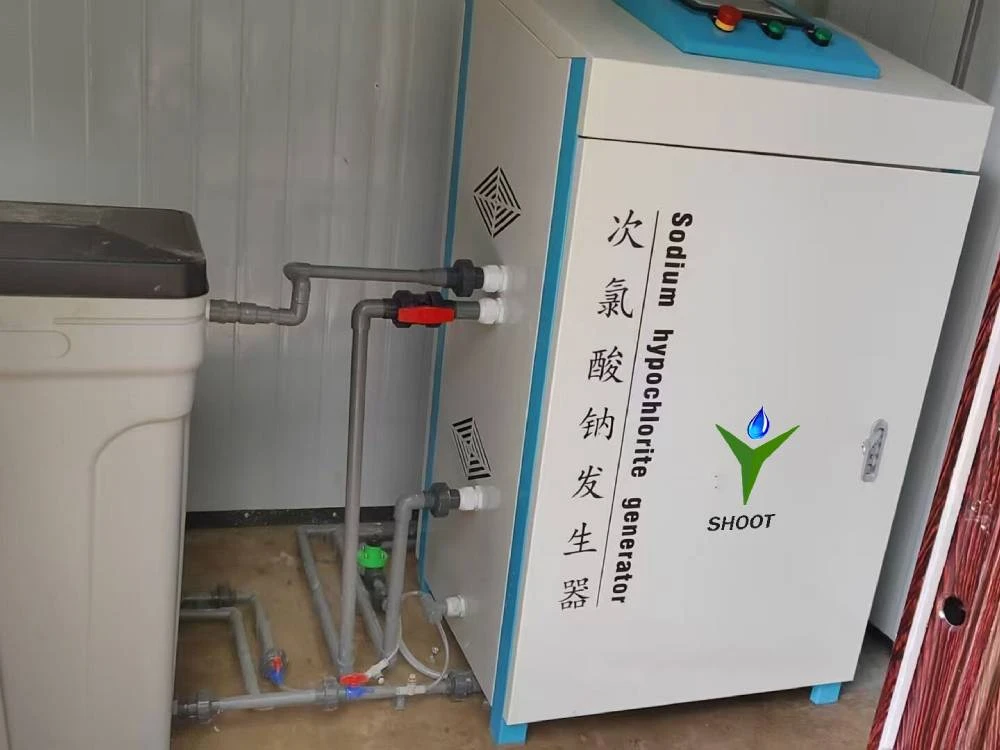
The Future of Disinfection: On-Site Sodium Hypochlorite Generators
While sodium hypochlorite offers unmatched killing efficiency, traditional commercial liquid chemical supplies pose storage risks and decay rapidly over time. Our advanced Sodium Hypochlorite Generator solves these problems completely by producing fresh, highly effective disinfectant right on site.
By utilizing simple water, salt, and electricity, our generator creates a precise, fresh solution whenever you need it. This eliminates chemical transportation hazards, slashes operational costs, and guarantees maximum oxidizing strength for every application.
Upgrade your sanitation standards today with our reliable on-site sodium hypochlorite generation technology—safe, cost-effective, and also powerful protection you can trust.
FAQ
How does sodium hypochlorite kill bacteria and viruses?
Sodium hypochlorite works through three primary mechanisms: oxidation, release of nascent oxygen, and chlorination. When sodium hypochlorite reacts with water, it hydrolyzes to produce hypochlorous acid (HOCl). This uncharged, small molecule easily penetrates microbial cell walls and oxidizes essential proteins, enzymes, and nucleic acids, causing immediate pathogen destruction.