

With millions of daily travelers passing through stations and airports, keeping surfaces and air clean is a major challenge. Consequently, transit operators are moving away from slow manual wiping and harsh chemical residues. Therefore, high-capacity hypochlorous acid (HOCl) generators have emerged as a game-changing solution for fast, large-scale, and continuous transit sanitation.
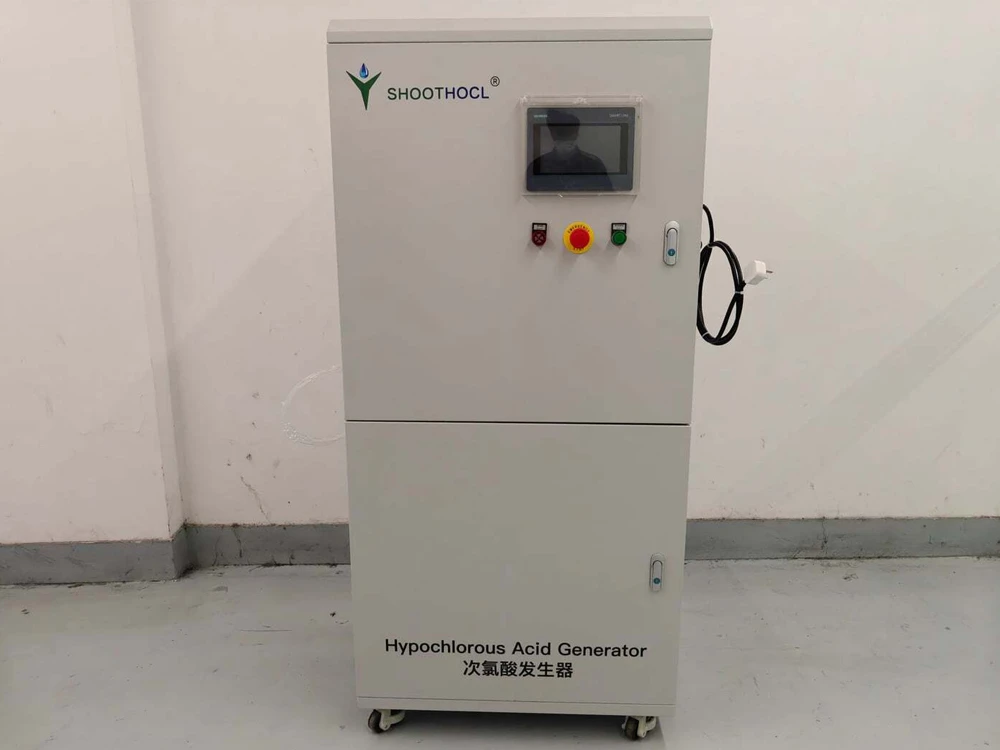
Core Tech
Unlike traditional disinfectants that require manual mixing and hazardous chemical storage, however, HOCl generators produce a pure, non-toxic sanitizer on-site using only water and salt. Not only does this on-demand production eliminate bulk transport risks, but it also kills 99.99% of bacteria and viruses within seconds.
Key Benefits
Furthermore, because HOCl is non-corrosive and non-irritating, it solves two key transport challenges. First, automated misting systems can safely run non-stop in busy passenger areas without causing eye or respiratory irritation. Second, crews can sanitize delicate equipment—like scanners, handrails, kiosks, and seats—without causing surface damage or leaving toxic residues.
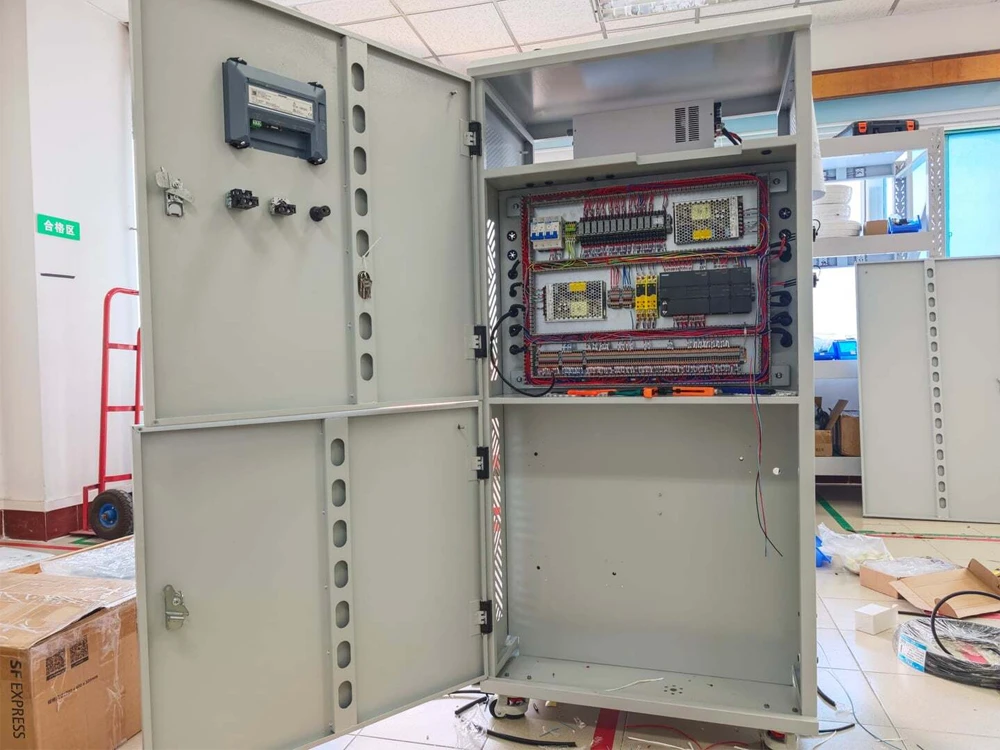
Broad Uses
Beyond general terminal concourses, site-generated HOCl covers the entire facility. Whether it is rapid train coach fogging between runs, luggage conveyor disinfection, or restroom odor control, the equipment works with total efficiency. As a result, transit authorities are gradually making HOCl generators a standard standard for modern, sustainable transport networks.
Looking to upgrade your transit hub’s biosecurity infrastructure or source enterprise-grade HOCl equipment? Contact our engineering team today to design a tailored automated sanitation solution for your facility!
FAQ
Can on-site HOCl generators handle continuous, large-scale operations?
Absolutely. Commercial and industrial HOCl generators are engineered for heavy-duty, continuous operation, with production capacities ranging from tens to thousands of liters per hour. They can feed directly into automated misting systems, central HVAC fogging units, or high-volume cleaning stations across expansive facilities.