

Clean water matters for everyone. Today, industries need safe ways to sanitize water. Traditional chemical transport carries high risks and rising costs. Because of this, many facilities now invest in an on-site sodium hypochlorite generator.
How the Sodium Hypochlorite Generator Works
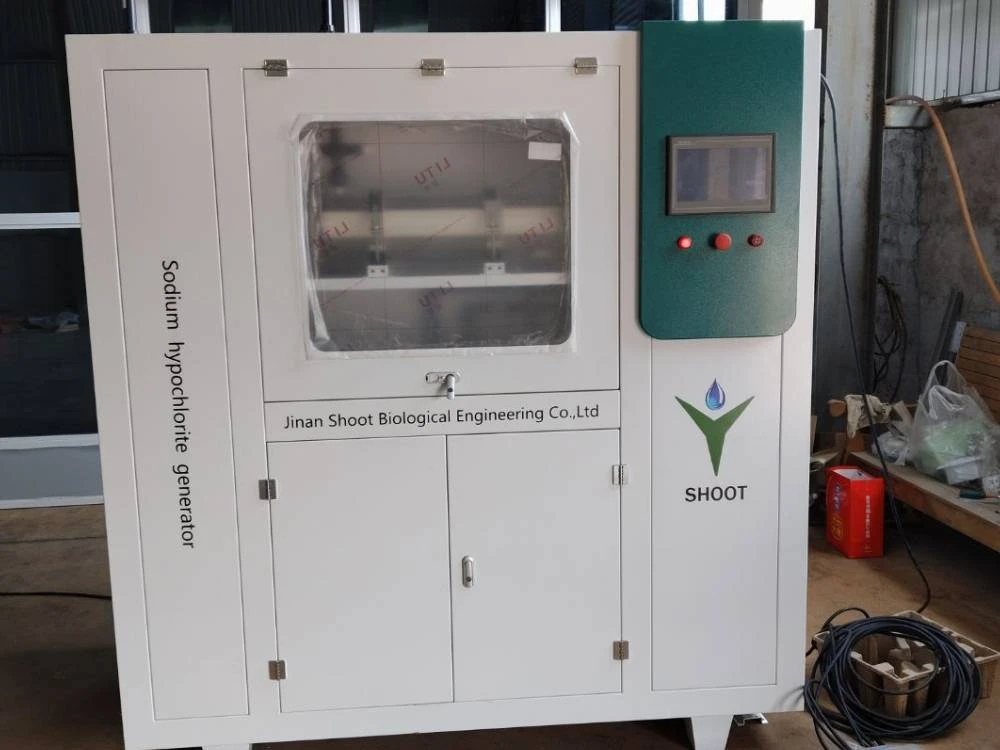
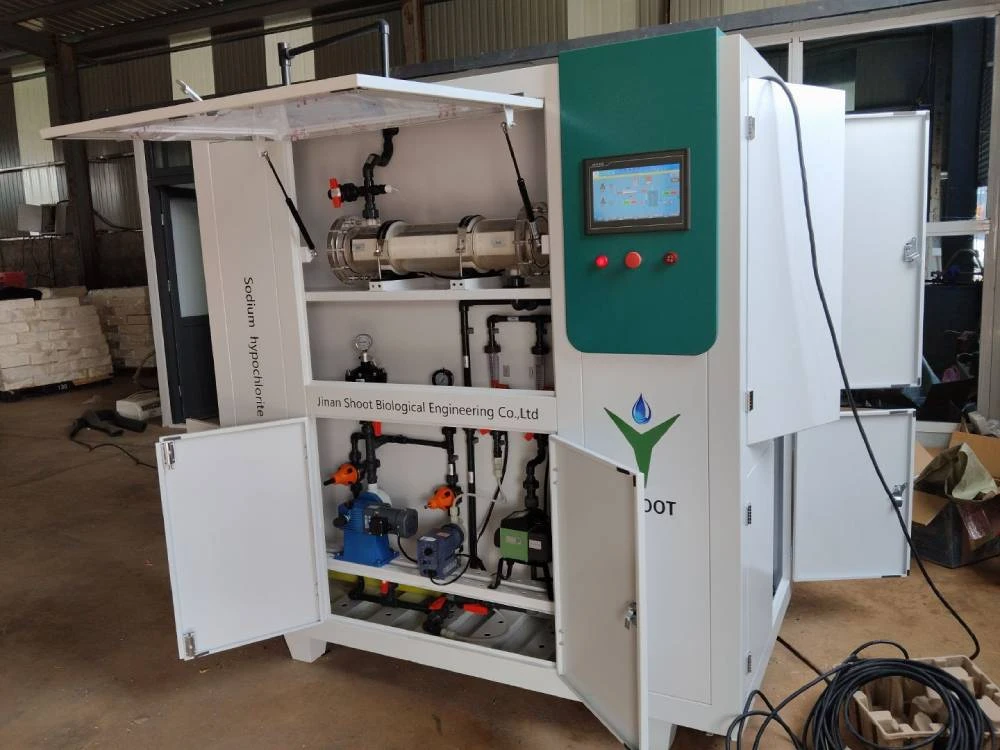
The process inside a sodium hypochlorite generator is simple and clever. First, the operator dissolves ordinary salt in soft water to create brine. Next, the brine enters the electrolytic cell of the sodium hypochlorite generator. Electric current passes through the solution. As a result, an electrochemical reaction takes place instantly. The sodium hypochlorite generator produces a fresh, low-concentration disinfectant ready for immediate use.
Key Advantages of the Sodium Hypochlorite Generator
Using an on-site sodium hypochlorite generator brings major benefits over buying commercial chemical bleach.
Maximum Safety: A sodium hypochlorite generator produces sanitizer on demand. Therefore, facilities no longer store hazardous chlorine gas or toxic chemicals. Using a sodium hypochlorite generator eliminates chemical transport hazards and storage leaks.
Cost Savings: A sodium hypochlorite generator relies on basic raw materials like salt, water, and power. Consequently, plant managers cut freight fees and lower long-term operating expenses with a sodium hypochlorite generator.
Superior Stability: Commercial bleach degrades rapidly during storage. In contrast, a sodium hypochlorite generator delivers fresh solution at peak strength directly at the point of use.
Eco-Friendly Impact: Solution from a sodium hypochlorite generator leaves no harmful chemical residues. Additionally, it protects piping and equipment from harsh corrosion.
Main Applications of the Sodium Hypochlorite Generator
The sodium hypochlorite generator serves many critical industries today. For example, municipal water plants use a sodium hypochlorite generator to purify drinking water and treat wastewater. Furthermore, food processing plants run a sodium hypochlorite generator to sanitize equipment surfaces and wash produce. Likewise, commercial swimming pools operate a sodium hypochlorite generator to maintain clean water without harsh odors. Modern farms also choose a sodium hypochlorite generator to purify livestock drinking water and sanitize housing.
Conclusion
In summary, the sodium hypochlorite generator offers a reliable, eco-friendly solution for modern disinfection needs. By generating fresh sanitizer on site, a sodium hypochlorite generator boosts safety, lowers costs, and ensures consistent hygiene standards. Installing a sodium hypochlorite generator is a smart step toward a cleaner and safer future.

FAQ
What raw materials does the sodium hypochlorite generator require?
The sodium hypochlorite generator requires three basic inputs: high-purity refined salt (or sodium chloride), clean softened water, and electricity.