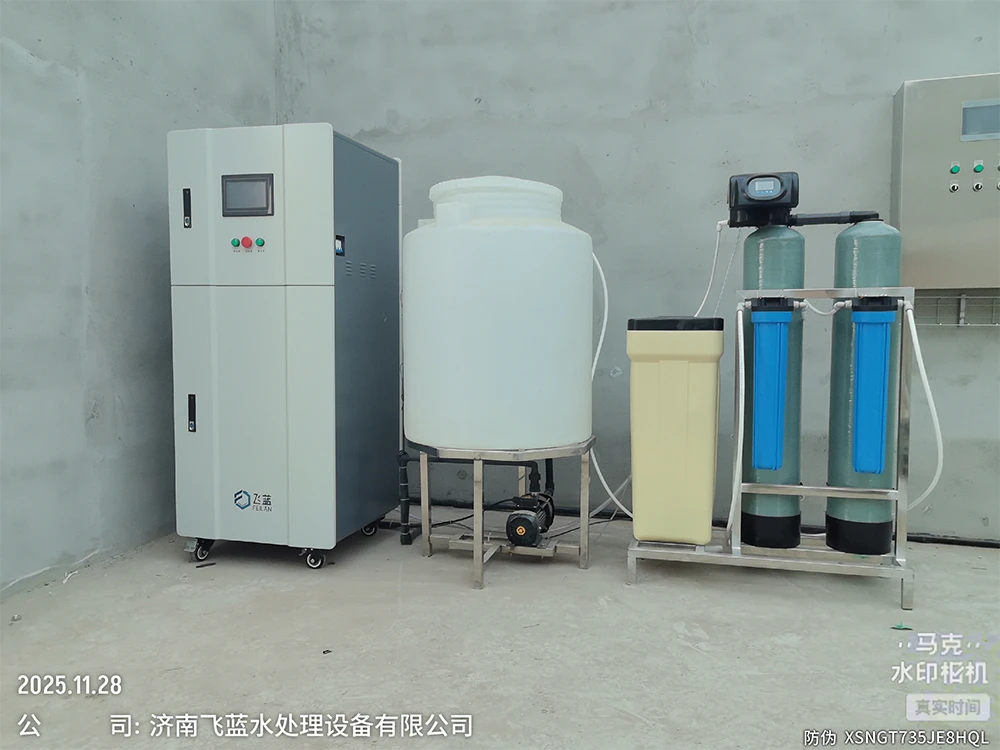

.In healthcare Settings. Effective disinfection is the cornerstone of preventing the spread of infection. Ensuring patient safety and quality of care. With the advancement of medical technology and the increasing requirements of infection control. Traditional disinfection methods have been difficult to meet the increasingly complex needs. In recent years, hypochlorous acid generator, as an innovative technology, is attracting widespread attention in the global medical field. Providing medical institutions with a new option for efficient. Safe and environmentally friendly disinfection.
Scientific advantages of hypochlorous acid
Hypochlorous acid (HClO). A weak acidic substance naturally present in the human immune system. Is a key weapon for neutrophils to defend against pathogens. Compared with traditional chlorinated disinfectants such as sodium hypochlorite. Or bleach, hypochlorous acid has the following unique advantages:
1,Highly effective broad-spectrum sterilization: rapidly inactivating bacteria, viruses (including enveloped and non-enveloped viruses), fungi and spores at very low concentrations (50-100 ppm), also effective against resistant bacteria.
2,Excellent safety: mild to human tissue, non-irritating, non-allergenic, even if accidentally contact with skin, eyes or mucous membrane will not cause harm.
3,Environmental protection no residue: only water and trace salts are formed after decomposition. And no toxic by-products are produced. Which is environmentally friendly.
4,Quick action: the disinfection process can usually be completed within 30 seconds to 2 minutes.
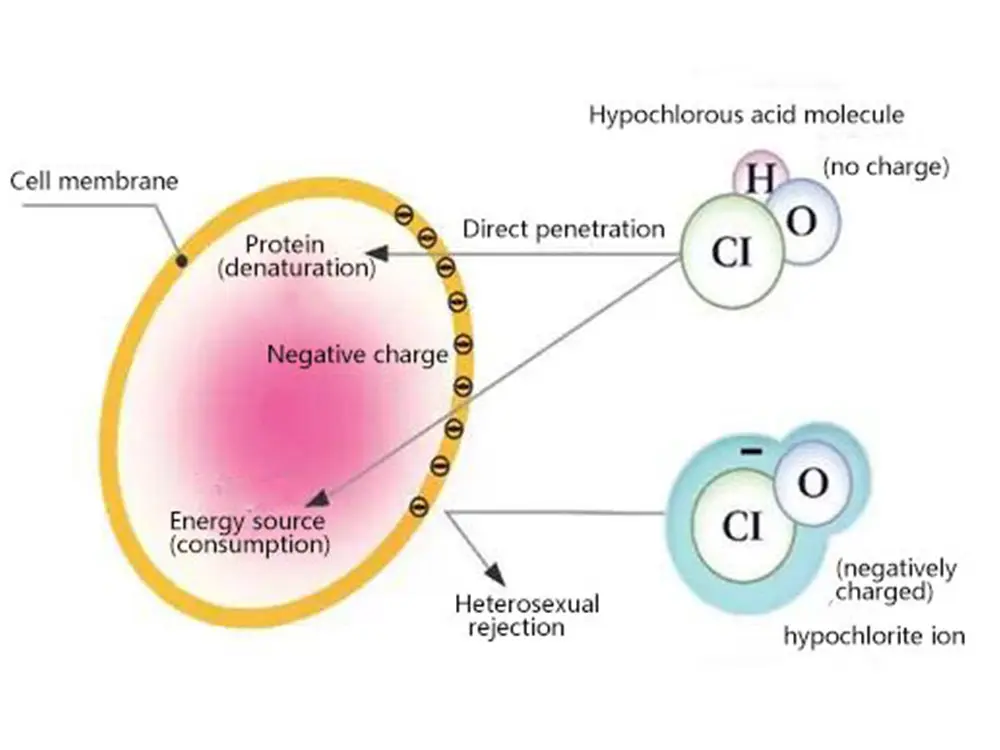

Hypochlorous acid generator is the core application scene in the medical field
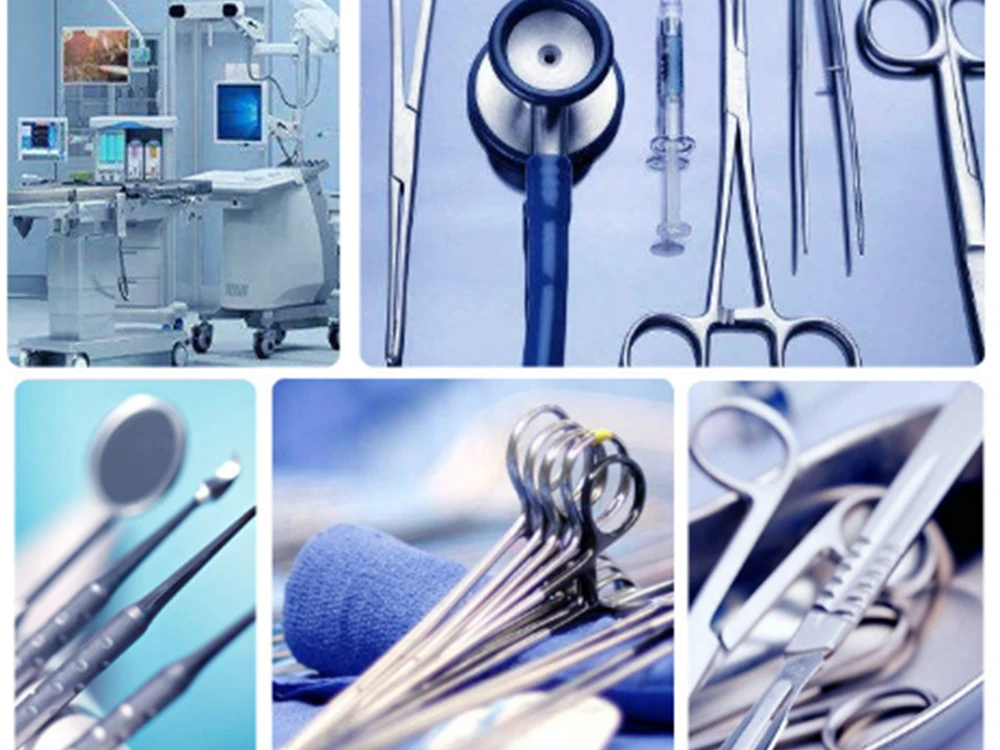
1, Disinfect medical instruments
Endoscope cleaning and disinfection: traditional disinfection methods such as glutaraldehyde immersion need a long time and may remain toxic. While hypochlorous acid can complete efficient disinfection in a short time. And there is no irritating residue. Especially suitable for the treatment of precision instruments.
Pre-treatment of surgical instruments: primary disinfection of instruments before delivery to the central supply room to reduce biological load and risk of cross-infection.
2. Environmental surface disinfection
Terminal ward disinfection: After the patient is discharge or transfer. Hypochlorous acid spray or atomization is used for comprehensive environmental disinfection. Including sheet elements, equipment surfaces and air.
High-frequency contact surface cleaning: such as door handles, call buttons, medical equipment control panels, etc., can be use safely and frequently without damaging the surface material.
Isolation ward disinfection: Efficiently disinfect the rooms where patients with multi-drug resistant bacteria or infectious diseases have lived to reduce the risk of subsequent patient infection.
3. Hand hygiene and skin disinfection
Hand disinfection for medical staff: An alternative to traditional alcohol-based hand sanitizer that is milder on the skin and does not cause dryness, while maintaining a long-lasting antibacterial effect.
Preoperative skin preparation for patients: It is use to disinfect the surgical site with low irritation, especially suitable for children, the elderly and patients with sensitive skin.
Wound care: Used directly to clean and disinfect chronic wounds, burn wounds, and ulcers to promote healing without damaging new tissue.
4.Air infection control
Atomized air disinfection: in the operating room, ICU, neonatal ward and other key areas, the aqueous hypochlorous acid solution is transform into fine particles through the atomizer to realize the simultaneous disinfection of air and object surface.
Ventilation system treatment: The hypochlorous acid solution is connect to the HVAC system to continuously disinfect the flowing air.
Implementation benefits and challenges
Core Strengths
Reduced nosocomial infection rates: Clinical studies have shown a significant decrease in the incidence of nosocomial infections such as surgical site infections and catheter-related bloodstream infections after the introduction of hypochlorous acid disinfection protocols.
Cost effective: Although the equipment has initial investment, it reduces the purchase of disposable disinfection products, simplifies the disinfection process, reduces the risk of occupational injury, and has significant economic benefits in the long term.
Improve the efficiency of the work flow: shorten the disinfection time, without washing steps. Can be use with the production. Greatly improve the efficiency of medical work.
Reduce occupational hazards: Avoid medical staff contact with irritating. Carcinogenic or allergenic chemical disinfectants. Improve the working environment.
The future development trend of hypochlorous acid generator in the medical field
With the continuous improvement of medical infection control requirements and the deepening of the concept of sustainable development. Hypochlorous acid generator technology is developing in the following direction:
1,Intelligent integration: combined with the Internet of things technology. The automatic monitoring and data management of the disinfection process are realize.
2,Portable design: Develop miniaturized, mobile devices for outpatient, ambulance, and home healthcare scenarios.
3,Multifunctional extension: Investigate its potential for biofilm removal, odor control, and anti-inflammatory adjuvant therapy.
4,Evidence-based medicine support: more large-scale clinical studies to verify its cost-effectiveness and health outcome improvement in different medical scenarios.