

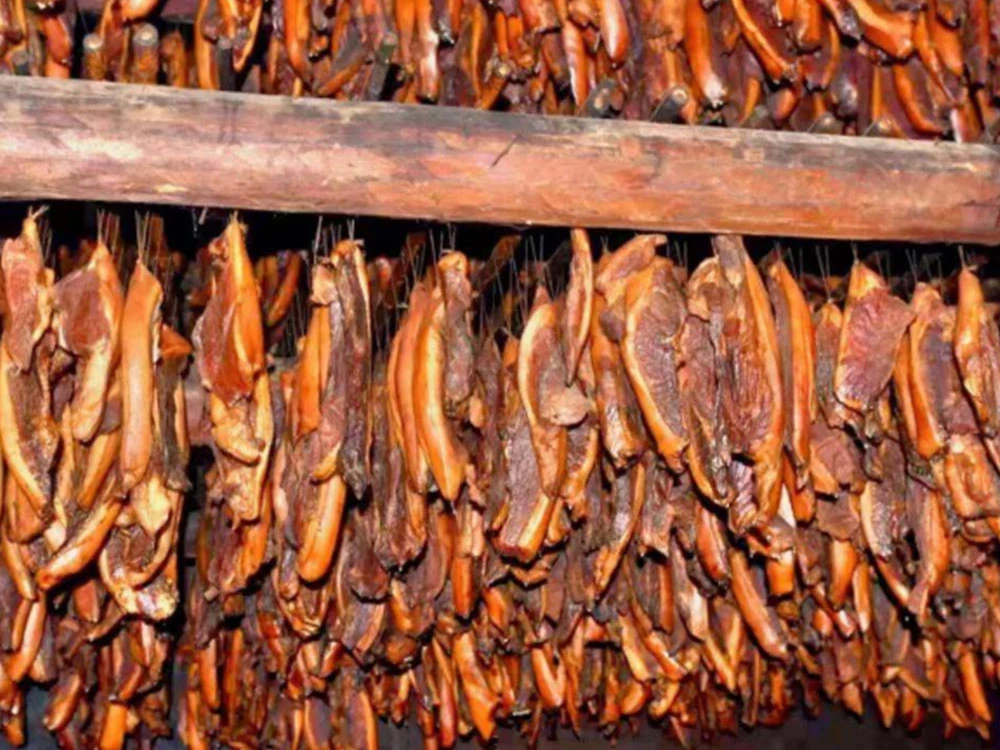
As a traditional cured product with a long history and unique flavor, cured meat is deeply loved by consumers. However, during its production and processing. Especially in the cleaning stage. It often faces multiple safety challenges such as microbial contamination and chemical residues. Traditional cleaning methods may have the risks of incomplete sterilization or excessive residues. Hypochlorous acid generators can provide a brand-new, efficient, safe and environmentally friendly solution for cleaning and sterilizing cured meat
Challenges in cleaning and sterilizing cured meat
1,High risk of microbial contamination: During the curing, air-drying and storage processes of cured meat. The surface may breed bacteria, molds, yeasts and other microorganisms. Such as Escherichia coli, Staphylococcus aureus, etc. Even foodborne pathogenic bacteria such as Listeria may exist. Incomplete cleaning will bring food safety hazards.
2,The problem of residual traditional disinfectants: In the past, chlorine-containing disinfectant powder (effervescent tablets) and other chemical agents were used. If the concentration was not properly controlled or the rinsing was not thorough. It was easy to cause residual chlorine or other chemical substances. Which would affect the original flavor of cured meat and may pose a potential threat to consumer health.
3,Efficiency and cost issues: It is difficult to precisely control the concentration of disinfectant prepared manually. And factors such as action time and temperature have a significant impact, resulting in unstable sterilization effects. At the same time, it also increases labor and material management costs.
The sterilization advantages of hypochlorous acid
Hypochlorous acid (HClO) is a naturally occurring bactericidal substance in the white blood cells of the human immune system. And its bactericidal ability far exceeds that of ordinary chlorine-containing disinfectants. The hypochlorous acid generator. Through electrolysis technology. Only requires salt (sodium chloride) and water to prepare high-purity and low-concentration slightly acidic hypochlorous acid water on site.
1,High-efficiency and broad-spectrum sterilization: Hypochlorous acid can rapidly penetrate the cell walls of microorganisms. Destroy their structures, and effectively kill various microorganisms such as bacteria, viruses. And fungi within tens of seconds, with a sterilization rate of over 99.9%.
2,Safe and residue-free: After completing its bactericidal function. Hypochlorous acid will quickly revert to ordinary water without any harmful chemical residues. Avoiding the residue problems caused by traditional disinfectants and fully meeting the requirements for food safety production.
3,Green and environmentally friendly: The raw materials are only salt and water. The production process does not generate harmful substances, and the solution after use is environmentally friendly.
4,Easy to use and controllable concentration: The equipment can produce immediately and be used right after production. Ensuring the freshness and high efficiency of the hypochlorous acid solution. The concentration can be precisely adjuste according to the requirements of the cleaning object. With a high degree of automation, reducing human operation errors.

The application process of hypochlorous acid generators in the cleaning and sterilization of cured meat
1,Preliminary rinse: First, use running water to conduct a preliminary rinse on the surface of the cured meat to remove obvious dust. Impurities and some attached microorganisms.
2,Hypochlorous acid water immersion/spray sterilization: After the initial rinsing of the cured meat, it is immerse in a hypochlorous acid water solution with a specific concentration (usually 30-80 PPM, the specific concentration needs to be verify through experiments and comply with relevant standards) prepared by a hypochlorous acid generator, or it is spray in all aspects using a spray device. Soak or spray for a certain period of time (usually several minutes) to ensure that hypochlorous acid fully contacts the surface of the cured meat and thoroughly kills pathogenic microorganisms.
3,Final rinsing: A brief rinse is carry out using clean drinking water that meets standards to remove the extremely trace chlorine smell that may exist on the surface (although there is almost no residual hypochlorous acid, this step is design to further enhance the sensory experience).
4,Subsequent processing: After being clean and sterilize, the cured meat can proceed to subsequent processes such as cutting, packaging or cooking.
Analysis of application benefits after the use of hypochlorous acid
1,Enhance safety: Significantly reduce the risk of microbial contamination, effectively ensure the hygiene quality and food safety of cured meat, and extend the shelf life.
2,Maintaining flavor and quality: The characteristic of no chemical residue perfectly retains the original color, aroma, taste and texture of cured meat, enhancing the product quality.
3,Cost reduction and efficiency improvement: Automated production of disinfectant solutions is simple to operate, saving the costs of purchasing, storing and managing various chemical disinfectants, and enhancing production efficiency.
4,In line with the development trend: It responds to the modern food industry’s pursuit of “reducing residues, ensuring safety, and protecting the environment”, and enhances the market competitiveness of the product.
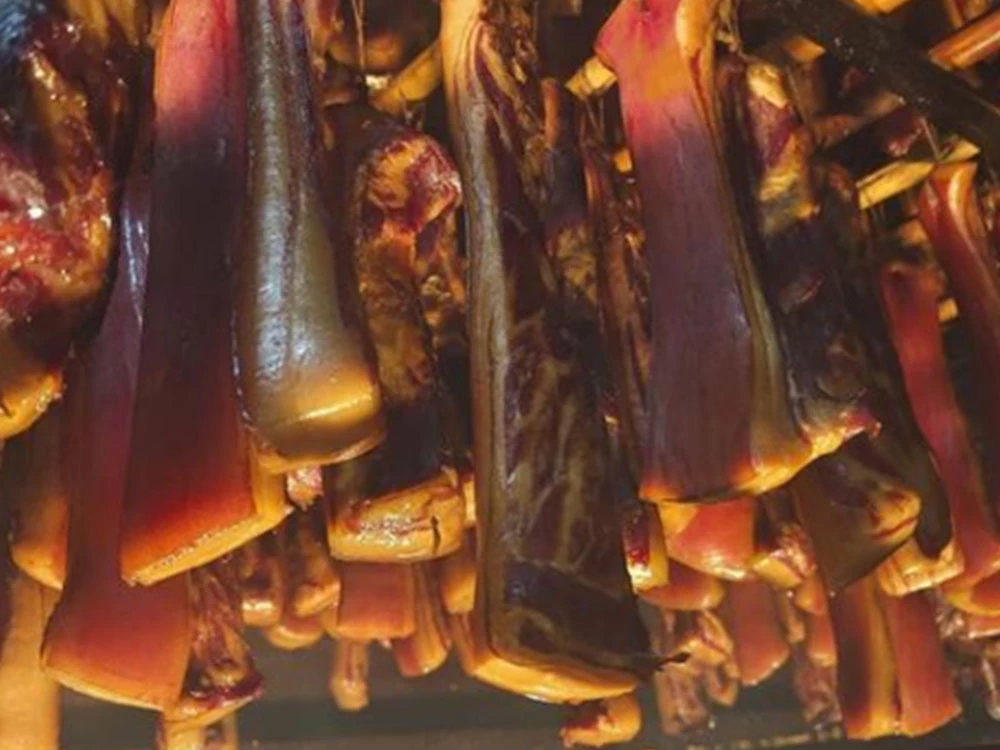
Introducing hypochlorous acid generators into the cleaning and sterilization process of cured meat processing is a perfect blend of traditional cuisine and modern technology. It not only provides a powerful technical tool for solving the problem of microbial control in the production of cured meat, but also, with its safe, efficient and environmentally friendly characteristics, injects new impetus into safeguarding “food safety on the tip of the tongue” and promoting the upgrading and development of the traditional food industry. In the future, with the wide application of this technology, consumers will be able to enjoy safer and higher-quality traditional delicacies.
FAQ
1,If a hypochlorous acid generator is used to treat cured meat, will there be any residue that affects food safety?
It will not affect food safety. The key lies in standardized use. Hypochlorous acid (HClO) itself has strong oxidizing properties. After completing the sterilization process, it gradually decomposes into water and sodium chloride (the main component of table salt). Under normal circumstances, there are no toxic residues. However, two points should be noted: First, control the effective chlorine concentration. When it is used for surface disinfection of cured meat or environmental disinfection, the concentration is recommended to be controlled at 50-100 PPM (milligrams per liter) to avoid high concentration causing discoloration of the meat. Second, after processing, it needs to be drained or washed according to the process requirements. If it is used for disinfecting raw meat before curing, it can be quickly rinsed with clean water after disinfection to further eliminate the concern of residue. At present, this concentration standard has passed the safety verification in the food processing industry and complies with the requirements for food processing AIDS stipulated in the “National Food Safety Standard – Standard for the Use of Food Additives” (GB 2760).
2. What problems can hypochlorous acid generators mainly solve in the processing of cured meat?
The core functions are concentrated in two major scenarios: sterilization and preservation, as well as extending the shelf life
1,Pre-treatment of raw meat: Fresh meat after slaughter is prone to the growth of microorganisms such as Escherichia coli and Staphylococcus aureus. Soaking or spraying with hypochlorous acid water can quickly kill over 99% of the harmful bacteria on the surface, reducing the risk of spoilage during the subsequent pickling process. It is especially suitable for the preservation of raw materials in high-temperature environments during summer.
2,Disinfection of processing environment: In the cured meat curing workshop, cutting boards, containers, floors, etc. are prone to accumulate grease and meat residue, becoming a breeding ground for bacteria. Hypochlorous acid water can replace traditional disinfectants (such as 84 disinfectant), achieving efficient disinfection of the environment and tools without corroding equipment or generating pungent odors, and avoiding cross-contamination.
3,Finished product preservation: After sun-drying or baking cured meat, spray the surface with low-concentration hypochlorous acid water (below 50ppm), which can inhibit the growth of mold. Especially in the humid southern regions, it can effectively prevent the cured meat from getting moldy and extend the shelf life at room temperature by 1-2 months.