

As fast-paced lifestyles become mainstream, pre-prepared meals. Bolstered by their convenience and efficiency, have rapidly captured a significant portion of the catering market. However, food safety remains a core concern for consumers. From ingredient procurement and processing to storage and transportation. Excessive microbial contamination at any stage can lead to food safety incidents. Damaging not only brand reputation but also consumer health. Against this backdrop, hypochlorous acid generators, with their efficient, safe, and environmentally friendly sterilization properties. Have become a key component in addressing safety challenges in the pre-prepared meal industry, safeguarding their quality.
Why is hypochlorous acid generator needed in the safety dilemma of the ready-to-eat food industry
The production process of ready-to-eat meals involves multiple risks of cross-contamination at various stages. And traditional sterilization methods often struggle to balance “efficiency” and “safety”
1,Pre-treatment stage of food ingredients: Vegetables, meats and other raw materials may carry pathogenic bacteria such as Escherichia coli. Salmonella and Listeria. Traditional water rinsing can only remove surface dirt but cannot completely kill microorganisms. If chemical disinfectants (such as chlorine-containing disinfectants) are used. It is easy to leave harmful substances, which will affect the taste of food and food safety. ,
2,During the processing and manufacturing stage: The equipment in the production workshop. Operation tables, employees’ hands, etc., are all “breeding grounds” for microorganisms. Traditional ultraviolet disinfection has blind spots in irradiation and cannot kill bacteria in real time in dynamic environments (such as when employees are operating). Making it difficult to form continuous safety protection.
3,During the warehousing and transportation stage: Most ready-to-eat meals are transported by cold chain. But low temperatures can only inhibit the reproduction of microorganisms and cannot kill the pathogenic bacteria that already exist. Once there are temperature fluctuations in the cold chain, microorganisms may multiply rapidly, leading to product deterioration.
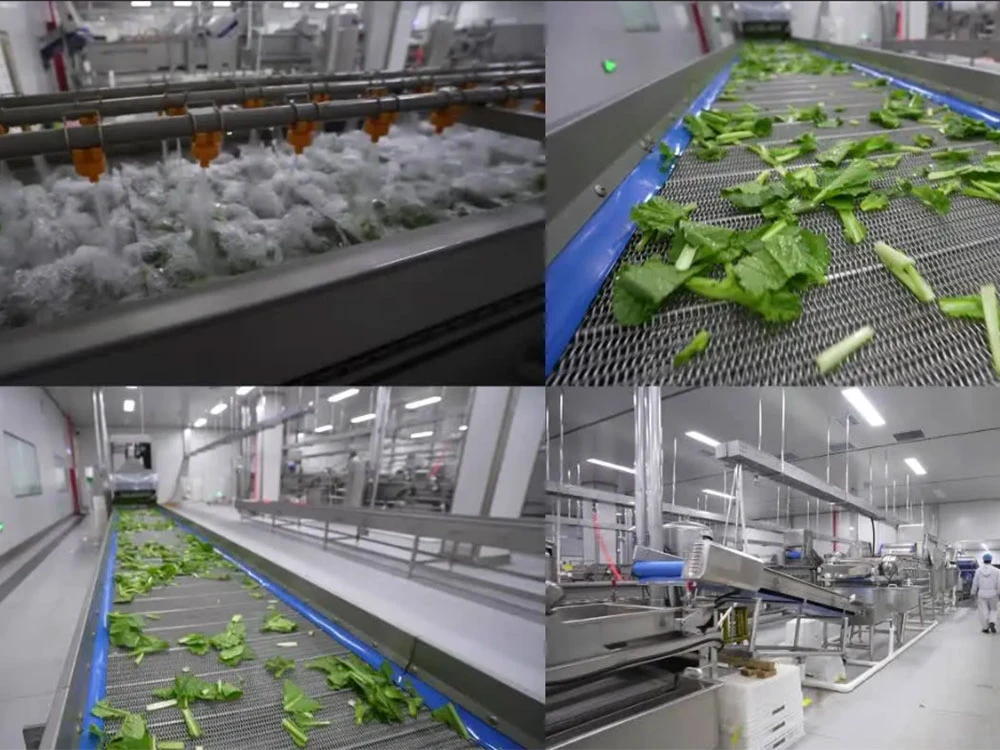
The sterilization principle of hypochlorous acid generators
Hypochlorous acid (HClO) is a bactericidal substance produced by the human immune system itself. Which has natural bactericidal activity – it can penetrate the cell membranes of microorganisms. Destroy the protein structure and DNA of bacteria and viruses, thereby achieving rapid sterilization without causing drug resistance. The core function of the hypochlorous acid generator is to prepare high-purity and highly stable hypochlorous acid solution on-site through electrolysis technology (usually using brine as raw material). Without the need to store high-concentration chemical disinfectants. Thus avoiding secondary pollution from the source.
Compared with traditional sterilization methods, the advantages of hypochlorous acid generators are particularly prominent:
1,High safety: The pH value of the generated hypochlorous acid solution is close to that of human body fluids. Which does not irritate the skin or mucous membranes, and leaves no residue or odor. There is no need to worry about it affecting the taste and quality of ready-to-eat meals.
2,Fast sterilization efficiency: It can kill common pathogenic bacteria such as Escherichia coli. Staphylococcus aureus and Listeria within minutes. With a sterilization rate as high as 99.99%, far exceeding the effect of traditional disinfectants and ultraviolet disinfection.
3,Flexible use: The concentration of hypochlorous acid solution can be adjust according to the needs of different production links (from tens of ppm to hundreds of ppm). It can be used not only for soaking and rinsing food ingredients. But also for spraying the workshop environment and wiping equipment, achieving “full-scenario coverage”.
4,Cost control: The raw materials are only salt and water, with low preparation costs. Moreover. The equipment is compact in size, easy to operate. And does not require professional maintenance, significantly reducing the sterilization costs for enterprises.

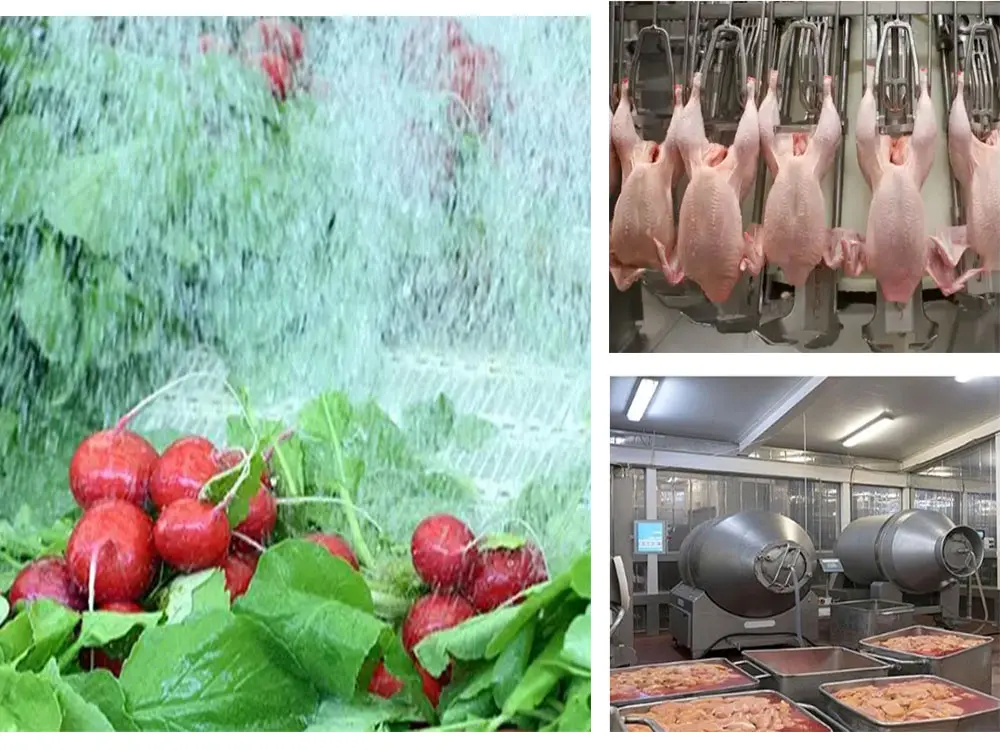
Full-process application of hypochlorous acid generator in pre-prepared food production
1. Pre-treatment of food ingredients: Blocking contamination from the source
For vegetables: Soak vegetables in a 50-100 PPM hypochlorous acid solution for 10-15 minutes. This can thoroughly kill pesticide residues and pathogenic bacteria (such as Salmonella) on the surface, while maintaining the freshness and crisp texture of the vegetables and avoiding the problem of incomplete rinsing with traditional water.
For meat/poultry: Spraying or soaking meat with a hypochlorous acid solution of 100-150 PPM can effectively remove the odor of blood water, kill Listeria, Escherichia coli and other bacteria on the surface of the meat, reduce the microbial base of the raw materials themselves, and lay a safe foundation for subsequent processing.
2. Production and processing stage: Create a sterile operating environment
Disinfection of equipment and tools: Before starting work every day, wipe the chopper, enema machine, operation table and other equipment with a 150-200 PPM hypochlorous acid solution to kill the residual microorganisms on the surface of the equipment. During the production process, hypochlorous acid solution can be spray regularly to keep the environment clean.
Employee hand disinfection: Set up hypochlorous acid disinfection hand-washing sinks at the workshop entrance and changing rooms. Before employees’ hands come into contact with food, wash them with a 50-100 PPM hypochlorous acid solution instead of traditional alcohol disinfection (alcohol is irritating to mucous membranes and cannot kill spores), which is both safe and efficient.
3. Packaging and storage: Extend the product's shelf life
Disinfection of packaging materials: For the packaging boxes and bags of ready-to-eat meals, spray disinfection with a 50-100 PPM hypochlorous acid solution to prevent the packaging materials from carrying microorganisms and contaminating the products.
Disinfection of the storage environment: In cold chain warehouses, hypochlorous acid solution is regularly atomize for disinfection to kill airborne bacteria and inhibit the growth of mold on the inner walls of the cold storage, creating a low-temperature and sterile storage environment for ready-to-eat meals and extending the shelf life of the products.
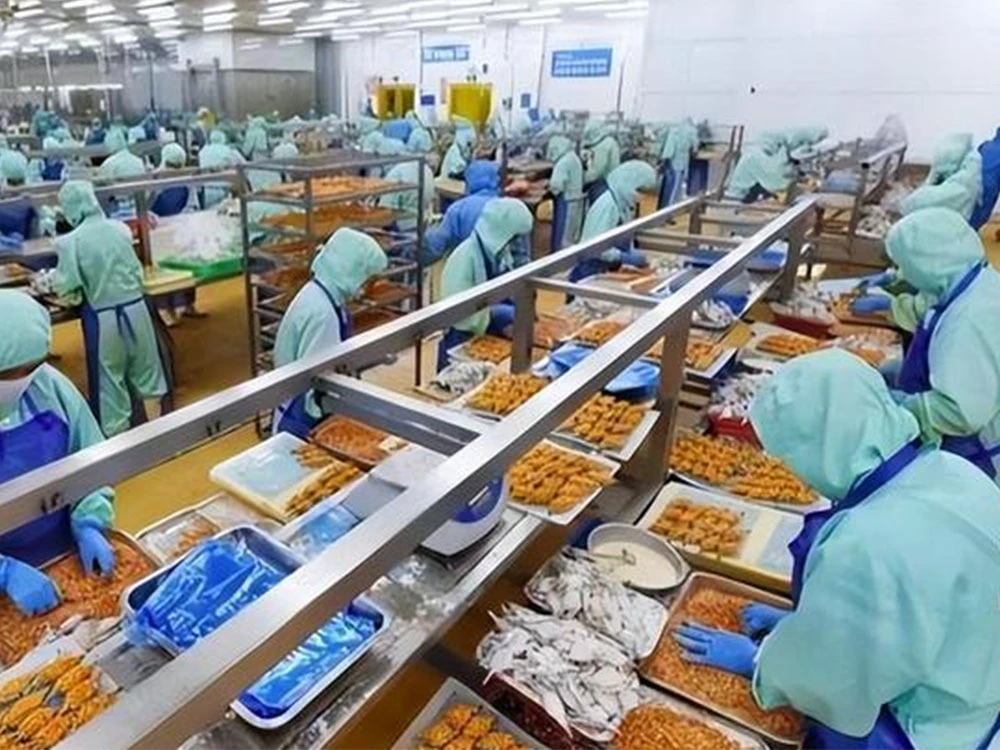
The future of ready-to-eat meals is bound to be one where “safety” and “convenience” go hand in hand. Hypochlorous acid generators, with their safety, efficiency and environmental friendliness, are becoming an important support for the transformation of the ready-to-eat food industry from “scale expansion” to “quality upgrade”. For pre-prepared food enterprises, introducing hypochlorous acid generators is not only a responsibility towards consumers’ health, but also an inevitable choice for achieving sustainable development – to ensure that every pre-prepared meal, in addition to convenience, brings an extra layer of peace of mind.