

Sodium Hypochlorite Generator produces disinfectant on-site using only water, salt, and electricity. This process is safe, sustainable, and cost-effective. Below, we explore the meticulous production details that make a premium generator stand out.
Production Details: Engineering Excellence
The quality of a generator depends on its components and the precision of its assembly. We focus on the “Electro-Chlorination” process.
1 The Heart of the System: The Electrolytic Cell
The electrolytic cell is where the magic happens. We do not compromise on materials here.
-
Anode Material: We use Grade 1 pure Titanium. It is coated with a Precious Metal Oxide (PMO) layer, specifically Ruthenium-Iridium (Ru-Ir). This coating ensures high catalytic activity and long life.
-
Cathode Material: Also made of high-grade Titanium. It resists corrosion during the polarity reversal cleaning process.
-
Bipolar Design: Our cells often utilize a bipolar electrode arrangement. This reduces heat generation and improves electrical efficiency.
2 Precision Machining and Assembly
Production starts with high-precision CNC machining. Every flange and connector must fit perfectly.
-
Transparent Shell: We use high-performance, transparent UPVC or acrylic for the cell casing. This allows operators to visually inspect the electrolysis process and detect scaling early.
-
Welding Standards: All plastic piping undergoes hot-melt socket welding. This prevents leaks caused by vibration or pressure spikes.

3 The Brine Preparation System
A stable concentration of brine is vital for efficiency.
-
Saturated Brine Tank: We use a specialized salt dissolver. It ensures the salt dissolves completely.
-
Water Softening: Before mixing, raw water passes through an ion-exchange softener. This removes Calcium (Ca+) and Magnesium (Mg+). Removing these ions prevents scale buildup on the electrodes.
-
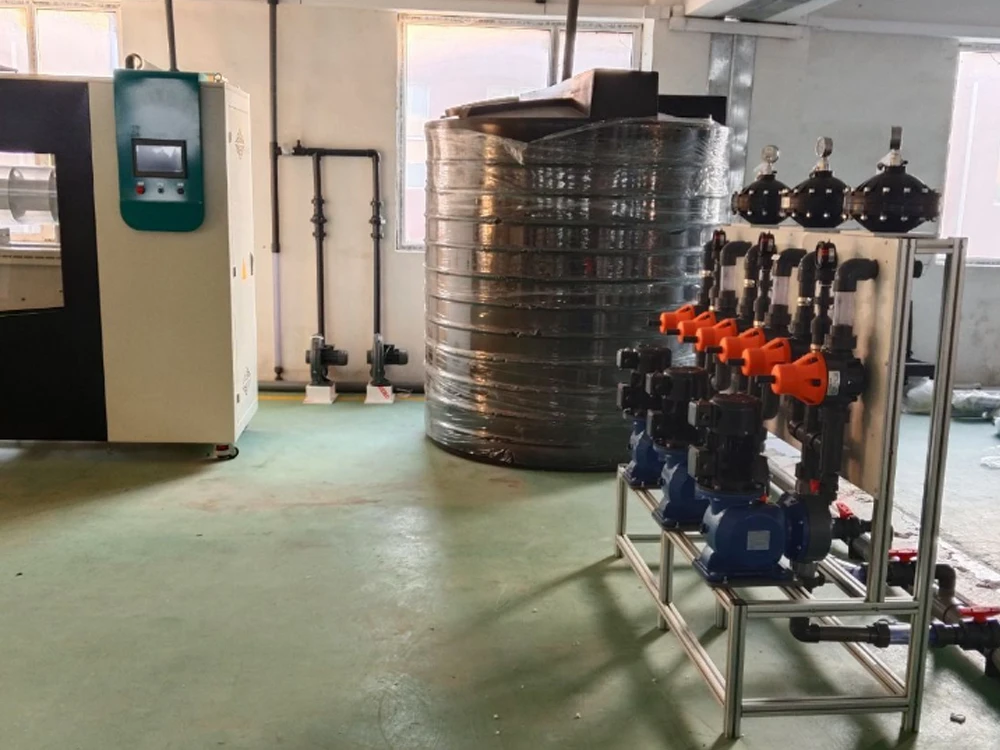
Precise Dilution: A PLC-controlled dosing pump mixes saturated brine with softened water. The target is a steady 3% salt concentration.
4 Power Supply and Control Units
The “brain” of the machine is the control cabinet.
-
High-Frequency Switch Mode Power Supply (SMPS): We use specialized rectifiers. They provide stable DC current with a conversion efficiency of over 90%.
-
Heat Dissipation: Rectifiers generate heat. We install industrial-grade cooling fans and heat sinks to ensure 24/7 operation.
-
PLC Integration: We use Siemens or Schneider PLC systems. They monitor voltage, current, temperature, and flow rates in real-time.
Service Advantages: Beyond the Machine
1 Custom Engineering
No two water plants are the same.
-
Site Surveys: We conduct detailed site assessments before manufacturing.
-
Modular Design: Our systems are modular. If you need more capacity later, we can simply add more electrolytic cells to the existing rack.
2 Seamless Installation and Training
We don’t just ship a box.
-
Plug-and-Play: Many of our smaller units are skid-mounted. This means they arrive pre-piped and pre-wired.
-
Operator Training: We provide comprehensive training. We teach your staff how to clean the cells, replace filters, and monitor the PLC.
Quality Control: Our Commitment
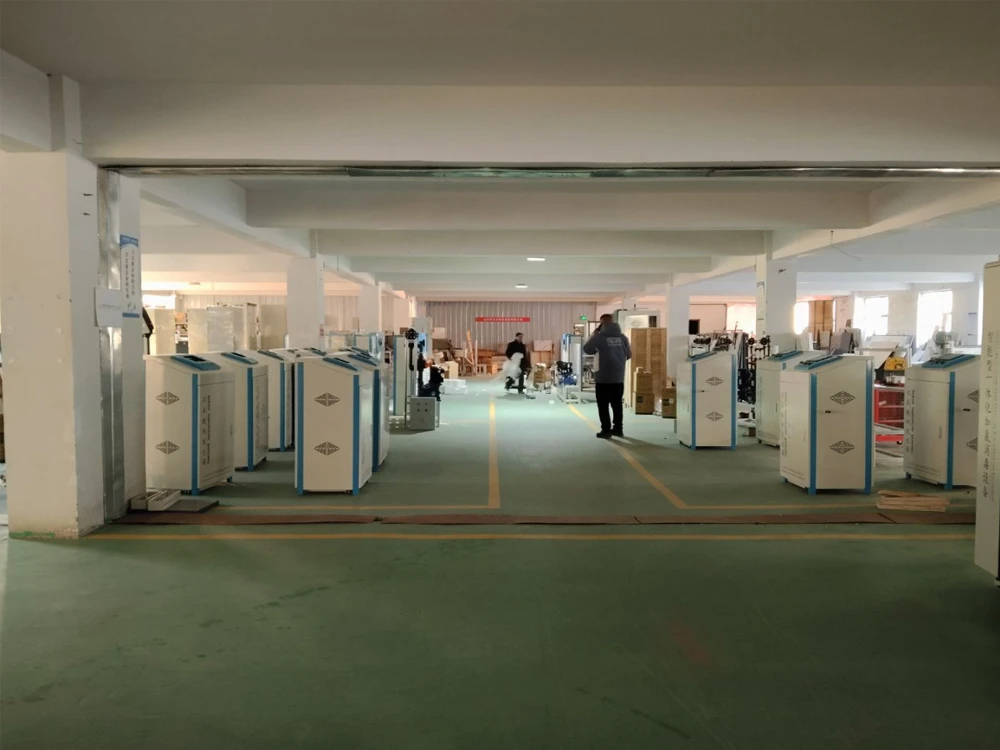
Every unit undergoes a rigorous 48-hour “Fatigue Test” before leaving the factory.
-
Hydraulic Test: We pressure-test all piping at 1.5x the working pressure.
-
Electrolysis Test: We run the system using actual brine to verify the NaClO concentration and power consumption.
-
Safety Interlock Check: We simulate failures (like low flow or high temperature) to ensure the system shuts down automatically.
FAQ
1. Is on-site generation safer than liquid chlorine?
Yes! No toxic gas storage or transport risks. The system produces only what you need at the same time.
2. What’s the maintenance requirement?
Minimal. Regular cell cleaning and also salt refills. Automated alerts simplify upkeep.
3. How to handle maintenance?
Automated alerts guide servicing.