

Why Choose an On-Site HOCl Generator?
Common sanitizers like sodium hypochlorite and also alcohol carry risks such as corrosion or flammability, alongside high logistics and inventory costs.
On-site systems produce disinfectant on demand to match real usage, easing bulk chemical management.
How Does an HOCl Generator Work?
HOCl generators use electrolysis of water and also salt to create HOCl solution under preset parameters. Operators monitor pH, available chlorine and output to customize sanitizer strength.
Producing disinfectant locally removes long-distance delivery reliance. Note that inlet water, salt quality and also equipment setup affect performance. Confirm specs with the manufacturer before installation.
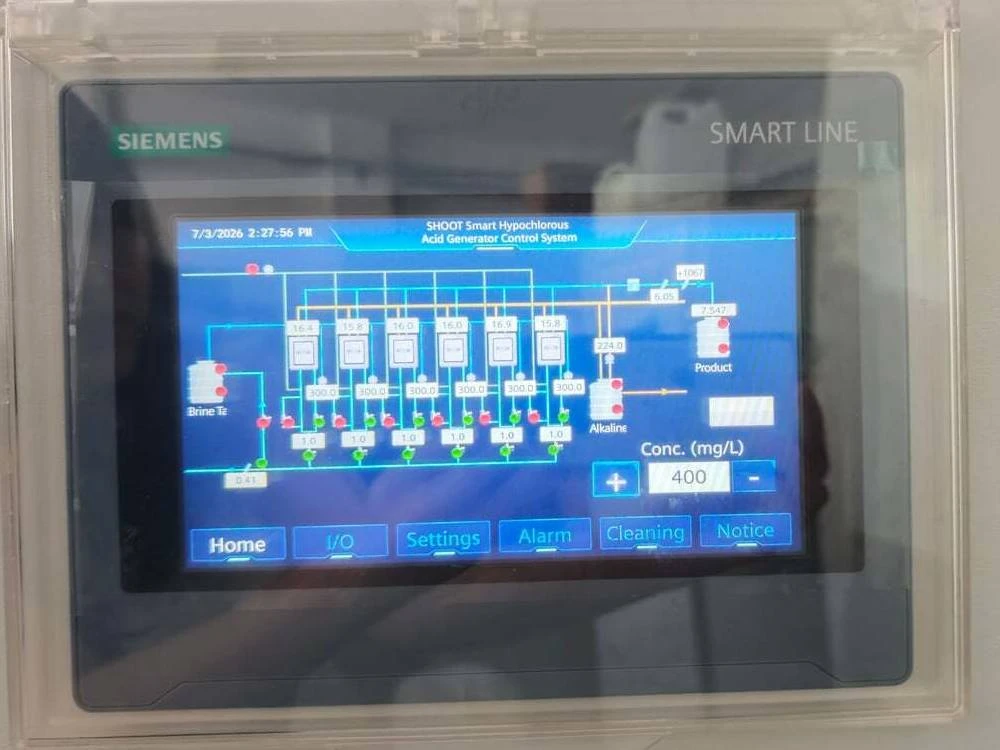
Key Benefits of HOCl Generators
1. On-Demand Disinfection: Make fresh HOCl on location and also match output to daily sanitation plans.
2. Lower Operating Costs: Save on chemical purchasing, transport and storage; calculate full running costs including power, salt and maintenance.
3. Simplified Chemical Management: Eliminate large-volume finished sanitizer storage and stabilize output to meet sanitation SOPs.
4. Supports Green Manufacturing: Cut packaging waste and transport carbon footprint for better resource efficiency.
5. Wide Industrial Use: Works for food plants, farms and general manufacturing. Each scenario requires custom specs, material checks and also regulatory compliance.
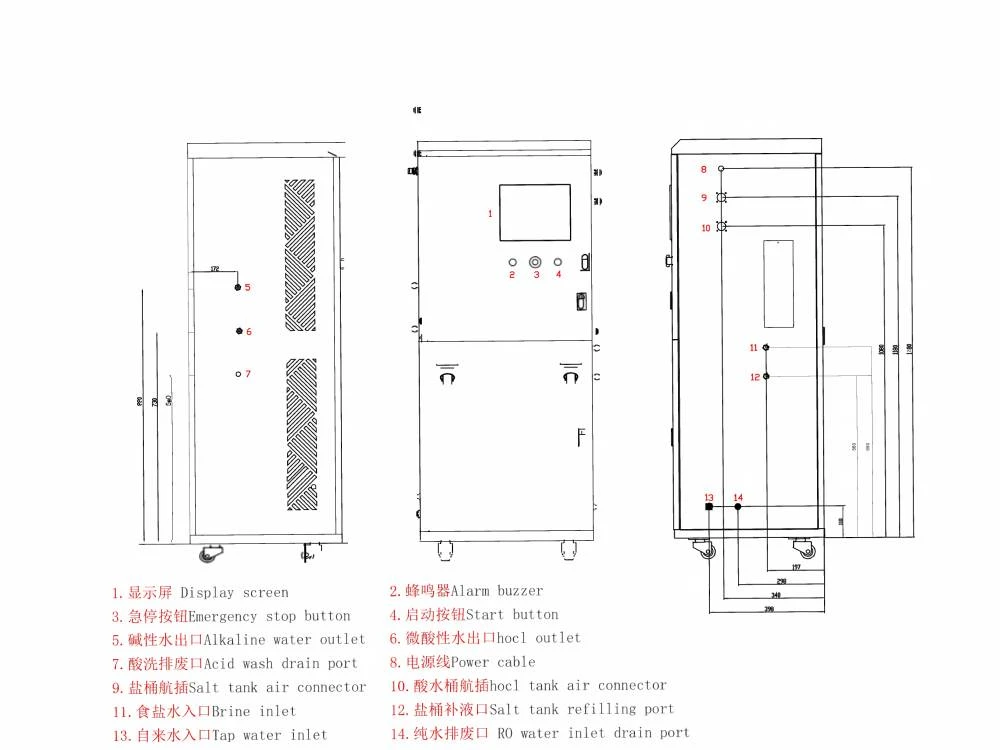
Industrial HOCl Applications
FAQ
1. HOCl generator vs sodium hypochlorite generator
HOCl units produce weak-acid HOCl solution; sodium hypochlorite generators output alkaline sanitizer. Differences lie in pH, composition and applicable scenarios.
2. Can HOCl generator replace RO water system?
No. RO removes water impurities. HOCl generators may need pre-treatment depending on raw water quality.
3. HOCl generator vs ozone generator
HOCl produces liquid sanitizer; ozone generators generate gaseous ozone. They differ in operation, use cases and safety rules.