

Firstly With the development of aquaculture towards intensification and scale, water disinfection and disease prevention have become key links to ensure the benefits of aquaculture. As a new type of disinfection equipment, hypochlorous acid generators are demonstrating significant application value in the field of aquaculture due to their high efficiency, safety and environmental friendliness
The application scenarios of hypochlorous acid generators in aquaculture
1,Disinfection of aquaculture water bodies with hypochlorous acid
1.1 Daily water disinfection treatment: Continuously add low-concentration hypochlorous acid to maintain water hygiene and prevent biofilm formation
1,2 Water change and disinfection: Before fresh water is introduced into the pond, the fishpond is disinfected with hypochlorous acid
1,3 During the high-incidence period of diseases: Hypochlorous acid can use to clean and disinfect fish ponds during the high-incidence period of diseases
2,Disinfection of facilities and tools with hypochlorous acid
2,1 Regular disinfection of aquaculture ponds, cages and pipeline systems with hypochlorous acid
2, 2Disinfection treatment of fishing tools and feed containers with hypochlorous acid
2, 3-hypochlorous acid disinfection of breeding vehicles and personnel entry and exit disinfection channels
3,Hypochlorous acid disinfects living organisms
3,1 Disinfection of fish eggs with 1 hypochlorous acid can prevent the spread of diseases
3.2 Hypochlorous acid can use disinfect the fish fry before they are put into the pond
4,Hypochlorous acid disinfects and preserves feed
4,1 Disinfection treatment of live bait with hypochlorous acid
4,2 Disinfection of feed storage environment by hypochlorous acid

The unique advantages of hypochlorous acid in aquaculture
1,Hypochlorous acid has outstanding bactericidal performance
1,1 Broad-spectrum and highly efficient: It has a strong killing effect on bacteria, viruses and fungi
1,2 apid action: It can kill 99% of common aquatic pathogens within 30 seconds
1,3 Strong penetration: Effectively eliminates pathogenic microorganisms within biofilms
2,Hypochlorous acid is highly safe
2,1 No residual toxicity: The decomposition products are water and trace amounts of chloride
2,2 For biosafety in aquaculture: It does not affect the health of fish and shrimp at appropriate concentrations
2,3 No drug resistance: Physical and chemical sterilization mechanism, no drug-resistant strains are produce
3,The environmental protection characteristics of hypochlorous acid
3,1 No toxic by-products are form: Avoid the generation of carcinogens such as trihalomethanes
3,2 Due to Natural degradation: It will not remain in the environment for a long time
3,3 Firstly Strong pH adaptability: Remains active within the common pH range of aquaculture water bodies
4,The economic benefits of hypochlorous acid generators are remarkable
4,1 On-site preparation reduces costs: The raw materials are only salt or hydrochloric acid
4,2 Reduce the use of antibiotics: lower drug costs and the risk of drug resistance
4,3 Improve survival rate: Effectively control diseases and enhance the benefits of breeding
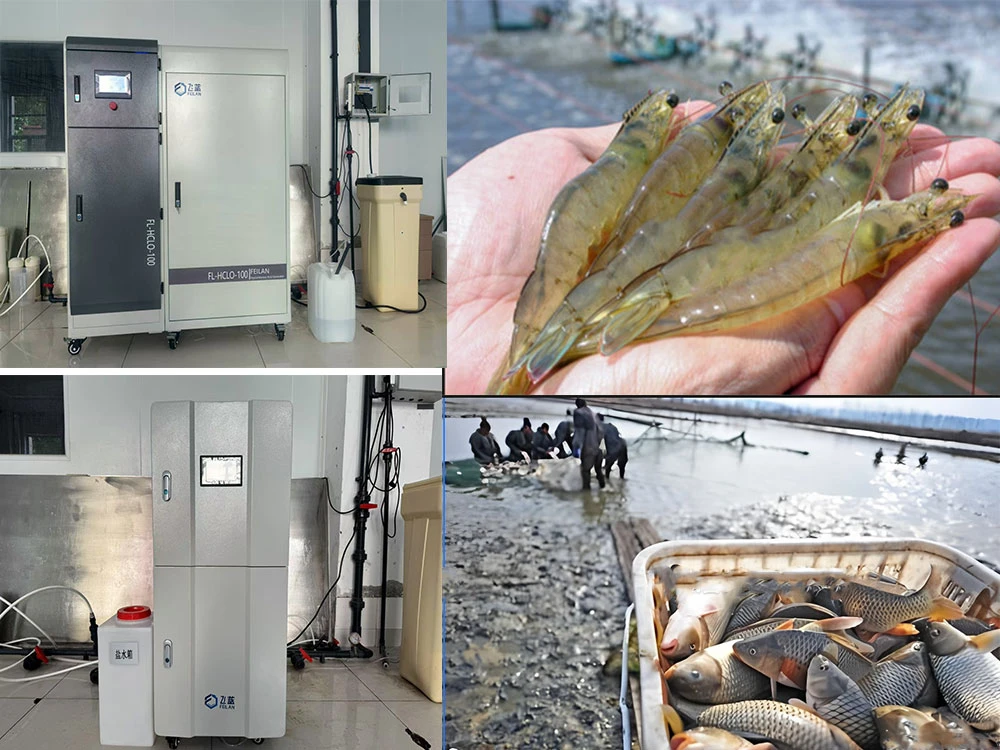
Feedback on practical application cases of hypochlorous acid generators in aquaculture
1,The number of Vibrio in water bodies has decreased by 98%
2,The survival rate of prawns has increased from 65% to 89%
3,The use of antibiotics has been reduced by 75%
4,The breeding cycle is short by 8 days
5,The comprehensive benefits have increased by 32%
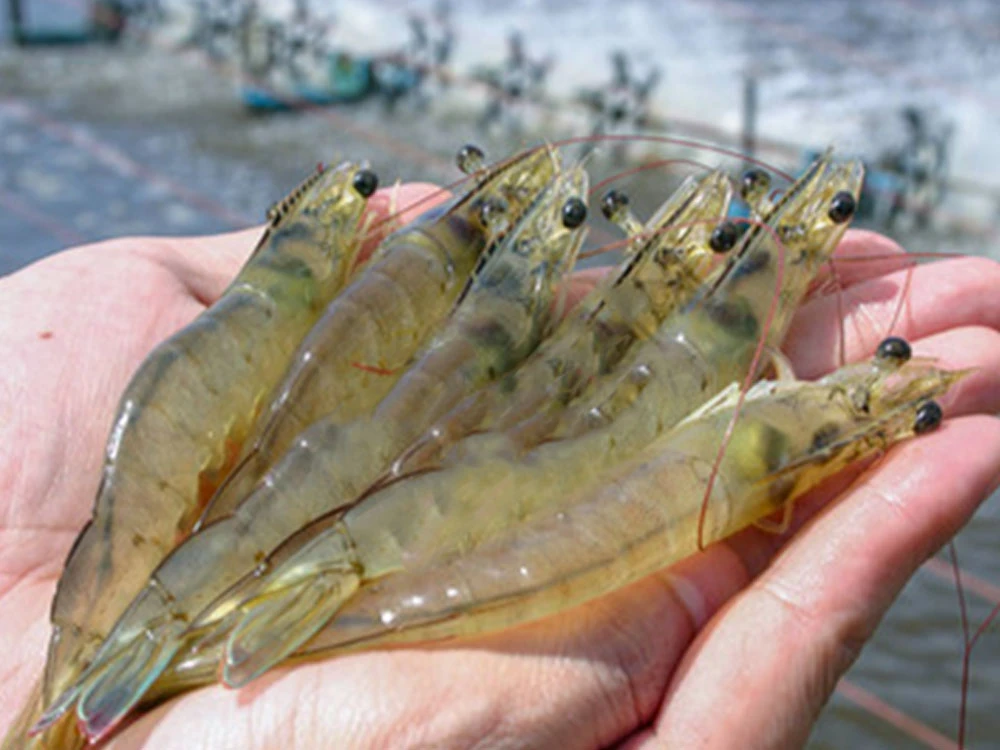
Additionally Hypochlorous acid generators offer an efficient, safe and economical disinfection solution for aquaculture, which is particularly suitable for modern intensive farming models.Meanwhile Its on-site preparation and immediate use characteristics, combined with excellent disinfection performance and environmental friendliness,Eventually make it an ideal choice to replace traditional disinfection methods. As the aquaculture industry transitions towards green and sustainable development,therefore the application prospects of hypochlorous acid technology will be even broader.