
Hypochlorous acid (HOCL) is a naturally occurring weakly acidic bactericide that is widely used in the pretreatment,
processing and storage of raw food, including the following scenarios
1,Fruit and vegetable preservation: Wash perishable fruits and vegetables such as strawberries and lettuce to extend their shelf life.
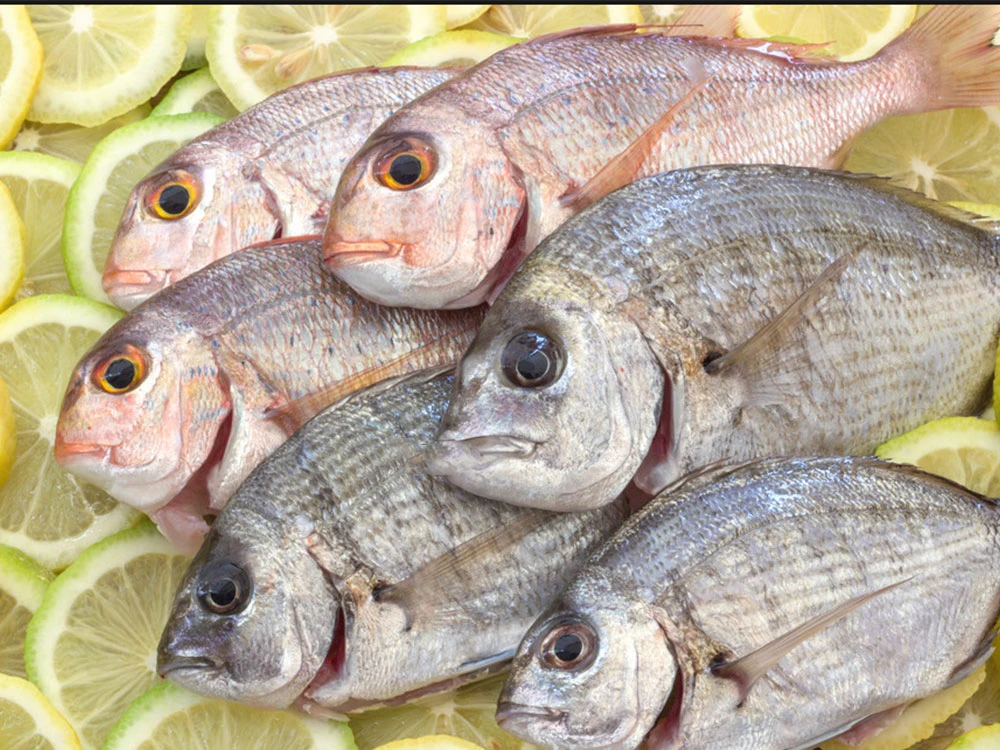
2,Aquatic product disinfection: Treating raw aquatic products such as salmon and shellfish to reduce microbial risks.
3,Meat pretreatment: Reduce Salmonella, Escherichia coli and other bacteria on the surface of poultry and beef.
4,Terminal disinfection of ready-to-eat foods such as sushi and salads.

The application advantages of hypochlorous acid generators in raw food
1,Hypochlorous acid has a highly efficient bactericidal ability
Hypochlorous acid can rapidly inactivate pathogens, effectively kill bacteria (such as Listeria), viruses (such as norovirus) and fungi. A concentration of 50-100PPM is sufficient, achieving a sterilization rate of 99.99%. Meanwhile, compared with sodium hypochlorite, HOCL is more likely to destroy the biofilm of microorganisms, thereby achieving a sterilization effect
2,Hypochlorous acid is safe and leaves no residue
Hypochlorous acid has food-grade safety because the decomposition products of hypochlorous acid after sterilization are trace amounts of chlorides in water, without carcinogens or irritating residues, and it meets the food contact standards of the FDA, EPA and JECFA. At the same time, even if low-concentration hypochlorous acid (<200PPM) is accidentally ingested, it will not cause mucosal damage
3,Hypochlorous acid can maintain the quality of food
Hypochlorous acid does not affect the flavor or appearance of food, does not damage the skin of fruits and vegetables or cause protein denaturation, thus avoiding the problem of food discoloration. At the same time, hypochlorous acid can extend the preservation time of food and reduce problems such as food spoilage and deterioration