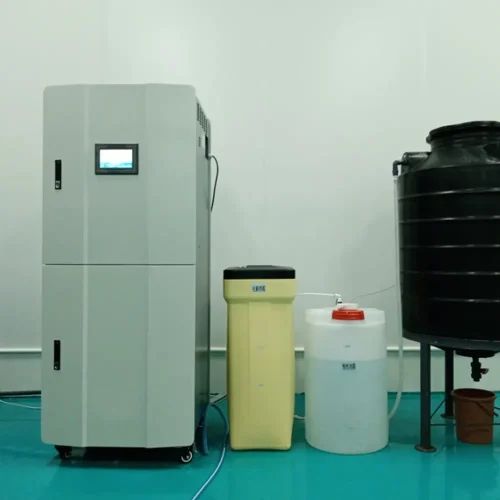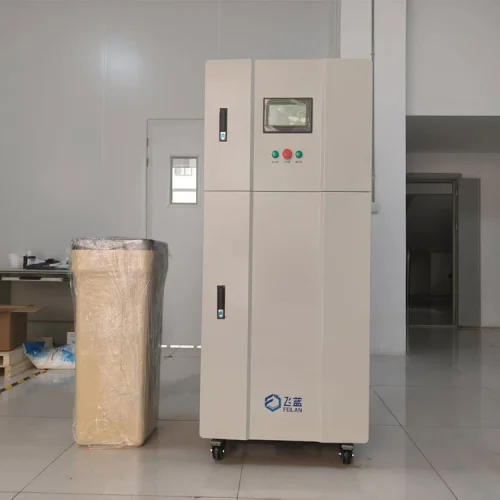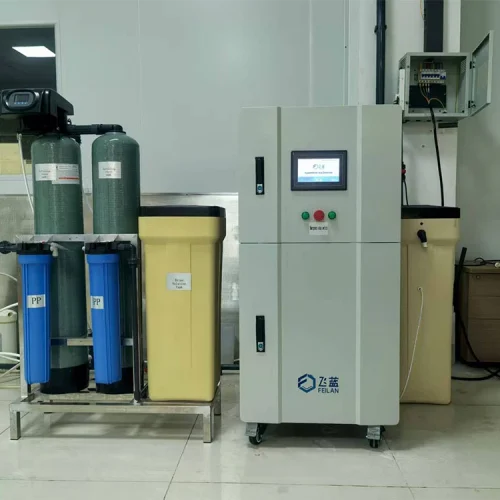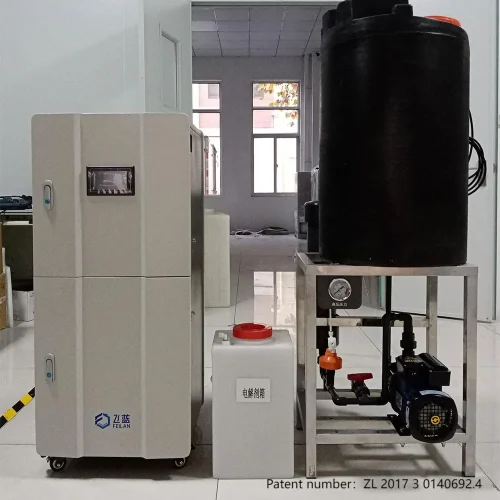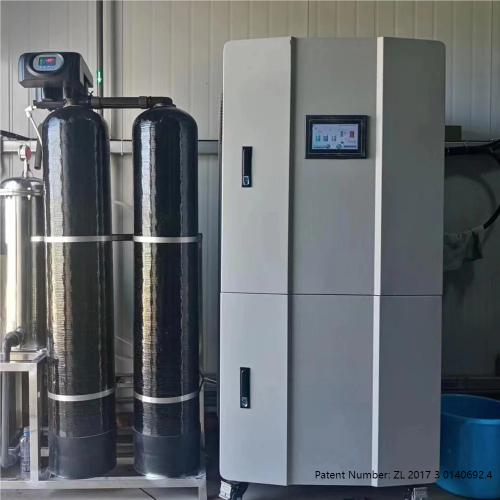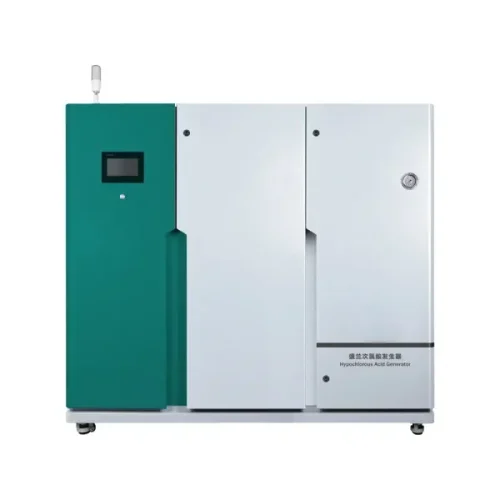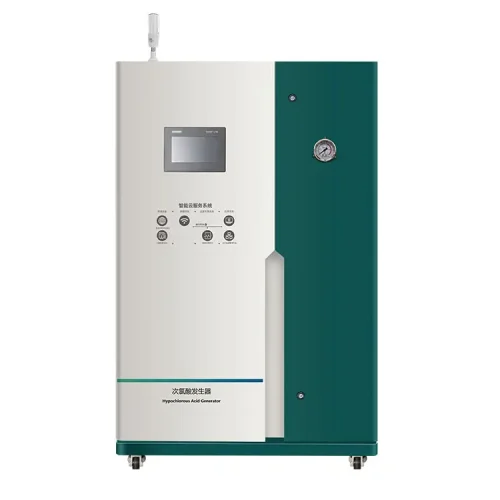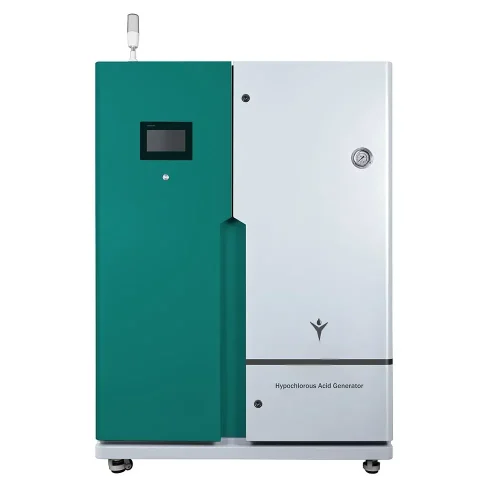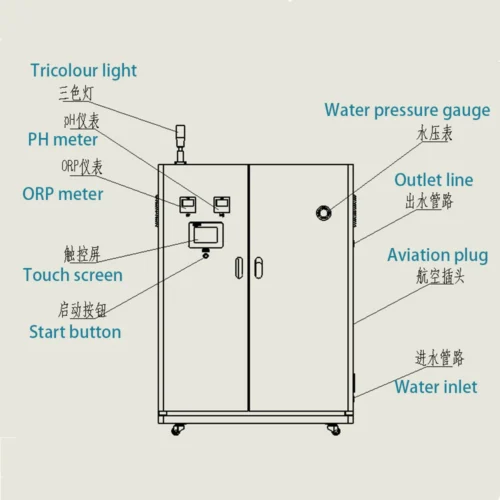


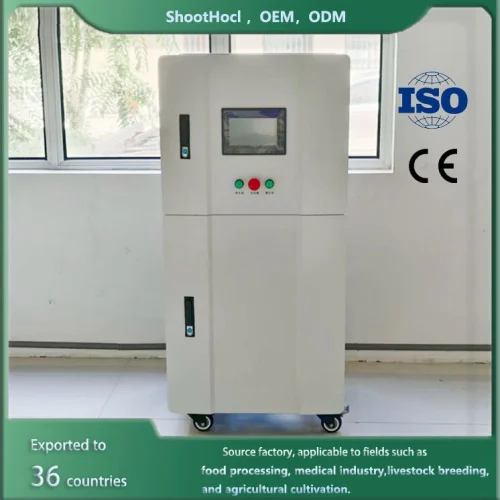
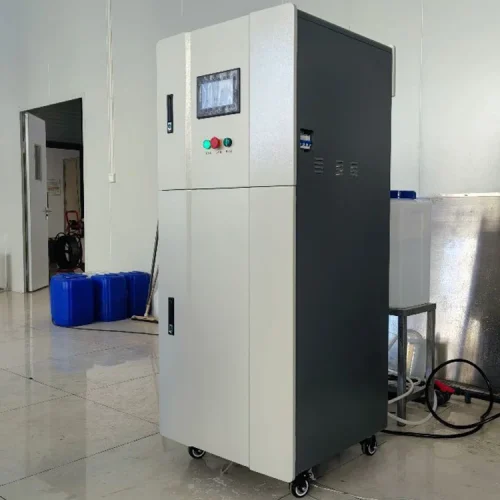
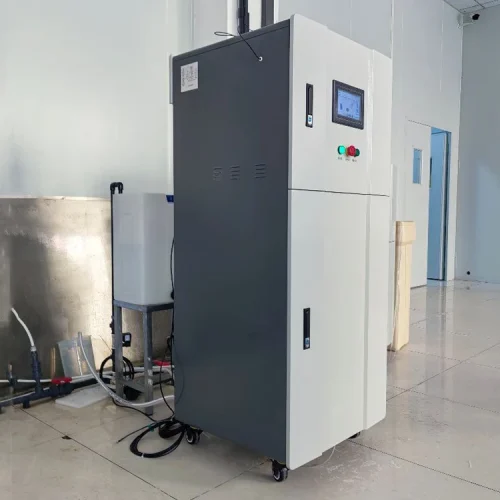
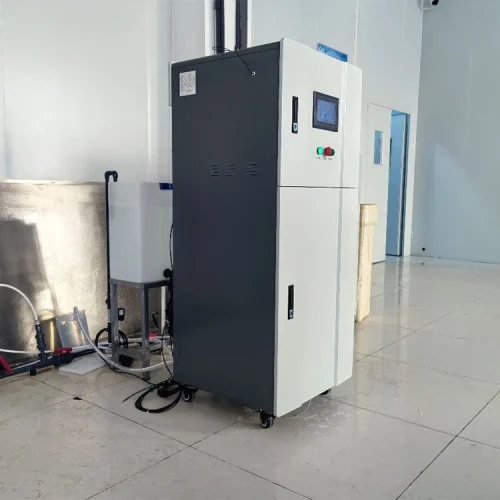




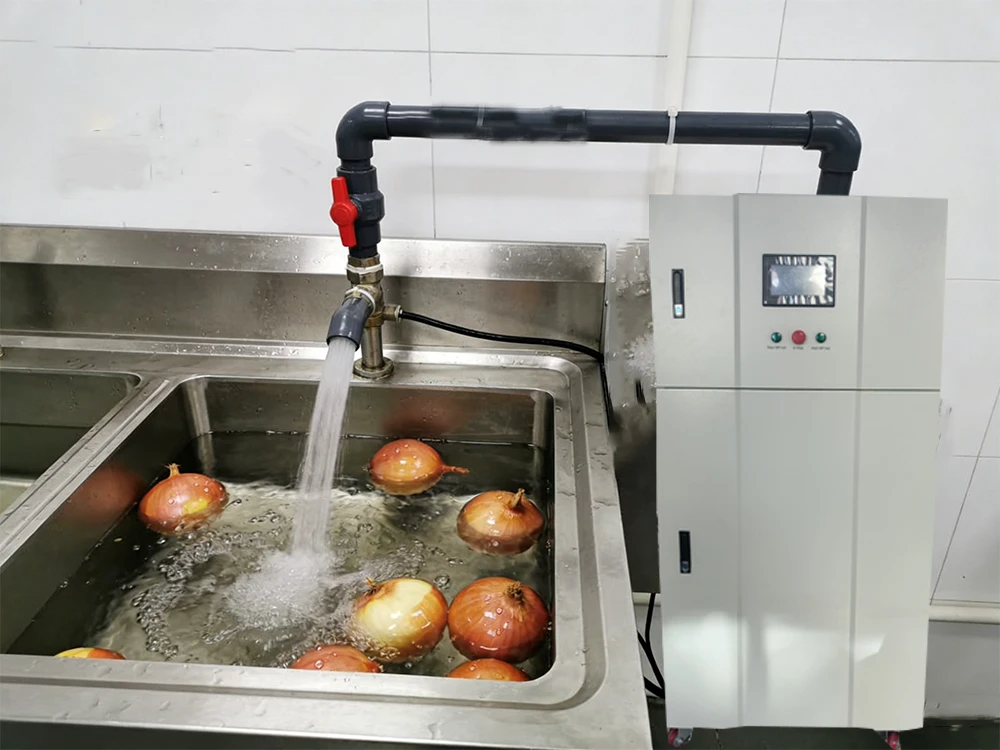
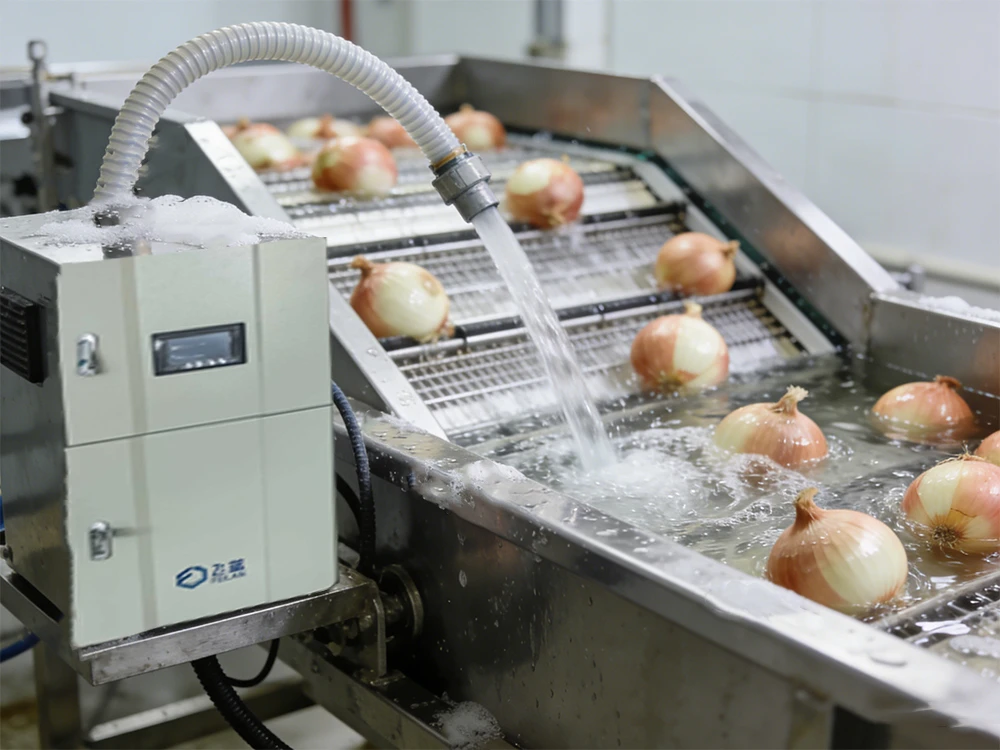
In onion processing industry, cleaning and disinfection is the key process to ensure product safety and prolong shelf life. Traditional disinfection methods such as sodium hypochlorite (84 disinfectant) are widely used. But there are problems such as residual risk, odor irritation, and unstable concentration. In recent years, with the maturity of hypochlorous acid generator technology. The slightly acidic hypochlorous acid water generated by it is gradually becoming an ideal choice for onion cleaning and disinfection with the characteristics of high efficiency, safety and no residue.
Hypochlorous acid generator parameters
| Model Name | Hypochlorous acid generator is used for onion cleaning and disinfection FL-SAEW-1000,2000,4000,6000,9000 |
|---|---|
| flow | 100L/H,200L/H,300L/H,500L/H,1000L/H(Flow can be customized) |
| Concentration | 10-1000PPM(Adjustable) |
| Electrolyte | Salt(Nacl) Or Hydrochloric acid(HCL) |
| Hypochlorous acid PH | 5-6.5 |
| Sodium hydroxide PH | 10-13.5 |
| Voltage | 220V/50Hz,380V/50Hz,110V/60Hz |
| The proportion of hypochlorous acid in ACC | >98.50% |
| Softened water system | One on standby and one in use |
| Weight | 95kg,120kg,180kg,210kg |
| Dimensions of hypochlorous acid generator | Can be customized |
Working principle and technical advantages of hypochlorous acid generator
Due to hypochlorous acid generator generates disinfectant with hypochlorous acid (HClO) as the main component by electrolysis of dilute hydrochloric acid or sodium chloride solution.Therefore hypochlorous acid is a natural bactericidal substance produce by human neutrophils. It has strong oxidation ability and can quickly kill bacteria, viruses, fungi and spores at low concentration (10-30ppm).
Compared with traditional sodium hypochlorite, hypochlorite generator has the following significant advantages:
- Ready to use, controllable concentration: the equipment produces disinfectant on demand. Avoiding the attenuation of effective components in the storage process of disinfectant. And the concentration can be accurately adjuste to adapt to different pollution levels of onion raw materials.
- Near neutral pH value, no damage to food materials: the pH value of the generated solution is stable between 5.0-6.5. Which has good compatibility with the onion epidermis and will not cause skin burn. Fade or texture softening. While sodium hypochlorite (pH 10-12) is easy to damage fruit and vegetable tissues at high concentrations.
- Higher sterilization efficiency: the REDOX potential of hypochlorous acid is much higher than that of hypochlorite ion. And the sterilization speed of hypochlorous acid is 80-100 times that of sodium hypochlorite under the same effective chlorine concentration.
- Excellent safety: after disinfection, hypochlorous acid is quickly reduce to water and trace chloride. Without harmful residues, in line with the national standard of food safety “Guidelines for the use of disinfectants” on the disinfection of fruits and vegetables.

The key application of hypochlorous acid in onion cleaning and disinfection
1,Pretreatment and soaking of raw materials
Soil, field microorganisms and fungal spores (such as Fusarium and Aspergillus) are often attache to onion skin after harvesting. Soaking 20-40ppm hypochlorous acid water in the cleaning tank for 3-5 minutes can effectively reduce the total number of initial colonies and inhibit the risk of mildew in the subsequent storage process. For onion products with skin processing, this link directly determines the microbial index of the final product.
2, Rinse after peeling
After mechanical or manual peeling. Onion balls have damaged skin and exposed meat quality. Which is highly susceptible to secondary pollution. At this time. 10-20ppm hypochlorous acid water is use for spraying or rinsing. Which can quickly kill cross-contaminated microorganisms without damaging the onion tissue and leaving no odor of disinfectant. Enterprises processing and exporting onion blocks and diced Onions especially rely on this link to ensure that their products meet the standards of microbial limits in importing countries.
3,Disinfect after cutting
For fresh-cut onion products, the cutting surface is a high risk area for microbial propagation. Short-term immersion or spray treatment with 5-15ppm slightly acidic hypochlorous acid water can significantly inhibit the growth of foodborne pathogenic bacteria such as Salmonella and Listeria, and extend the refrigerated shelf life of the product by 3-5 days.
With increasingly stringent food safety standards and consumers’ pursuit of “clean label” products, the onion processing industry is in urgent need of a disinfection technology that is both efficient and safe. Hypochlorous acid generator with its excellent bactericidal performance, out-of-the-box convenience and product quality friendly, is becoming the preferred solution for onion cleaning and disinfection.
FAQ
Wash fruit and vegetable surface with hypochlorous acid, can there be residue?
After hypochlorous acid sterilization, reduction into water, no residue