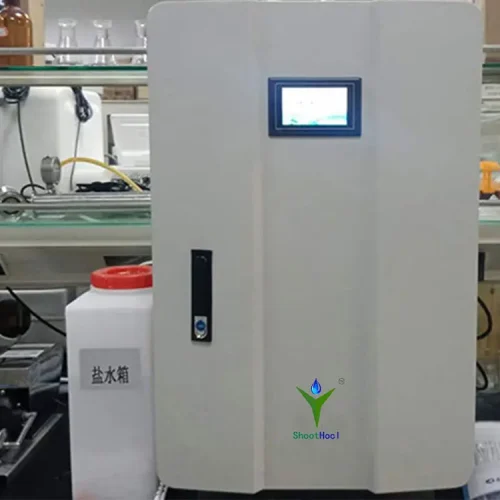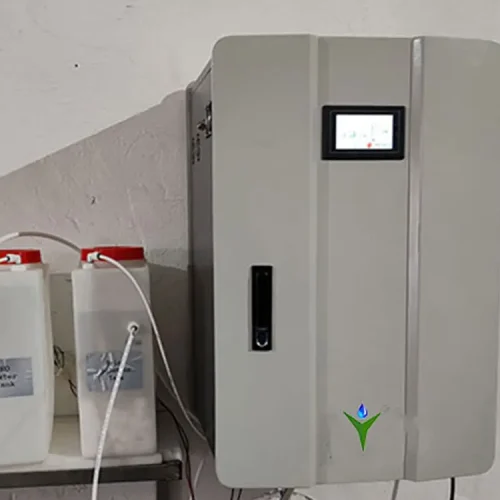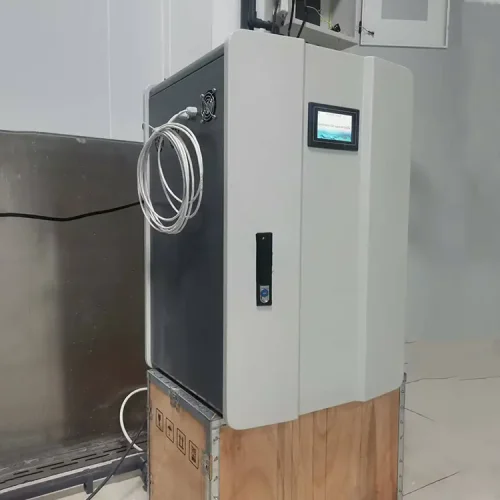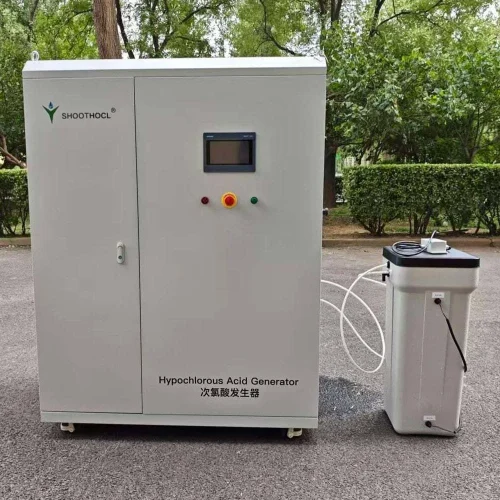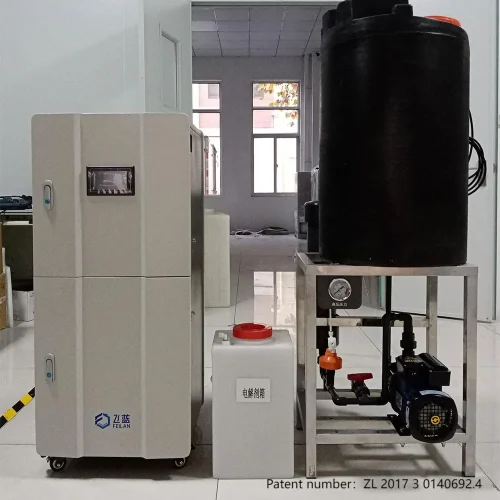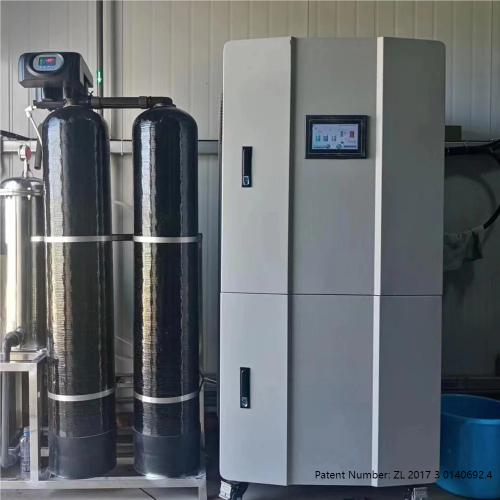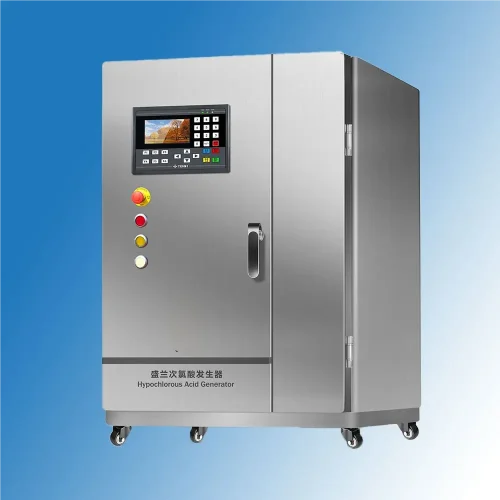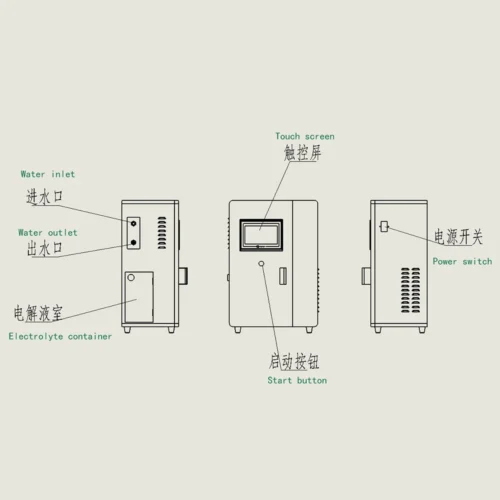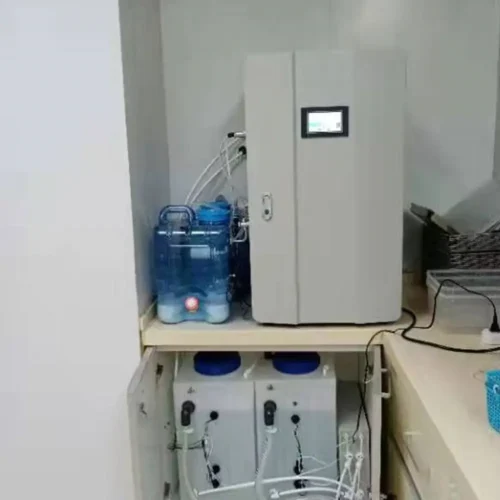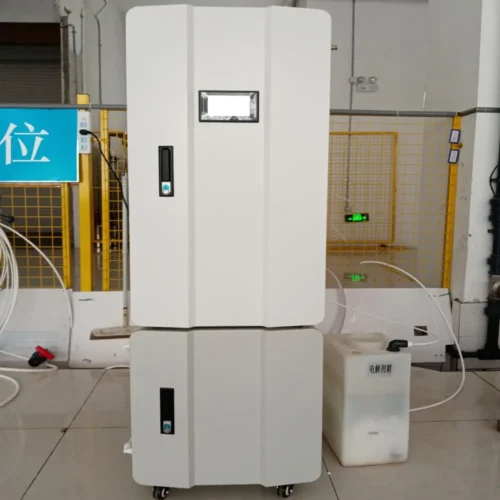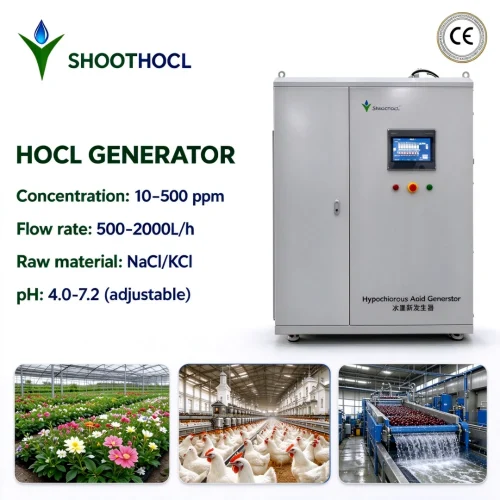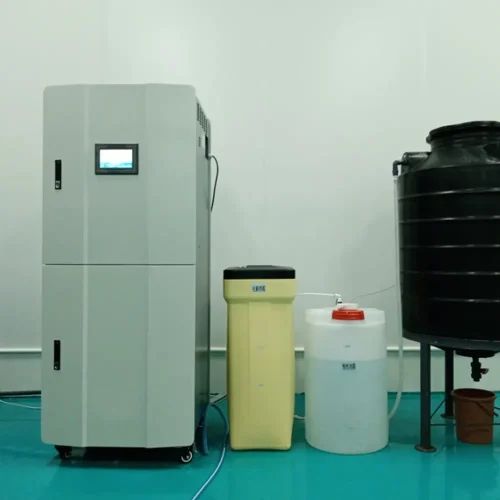


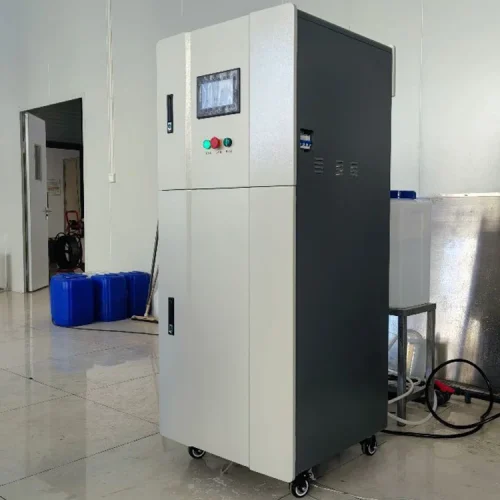
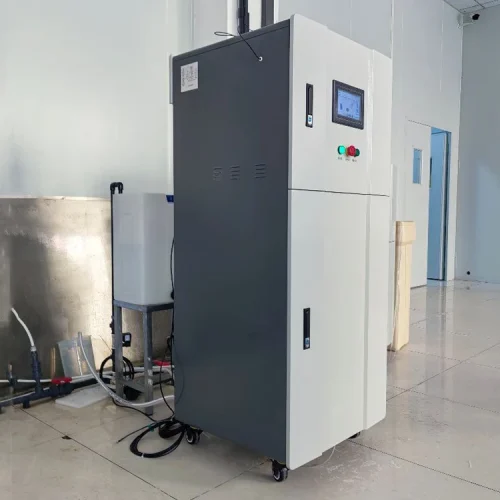
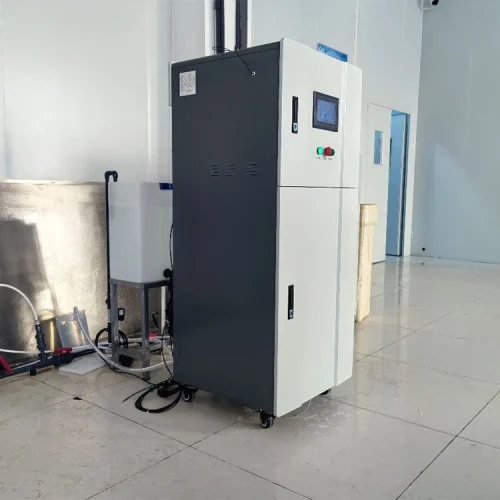




During the processing and cold chain transportation of frozen food. How to effectively control microbial contamination. Extend the shelf life and remove unpleasant odors has always been the focus of the industry. Traditional thermal sterilization techniques consume a lot of energy and are prone to damaging the quality of food. While chemical disinfectants often face the risk of residue. The emergence of hypochlorous acid generators provides a new, efficient, safe and economical solution to these problems.
The preservation principle of hypochlorous acid
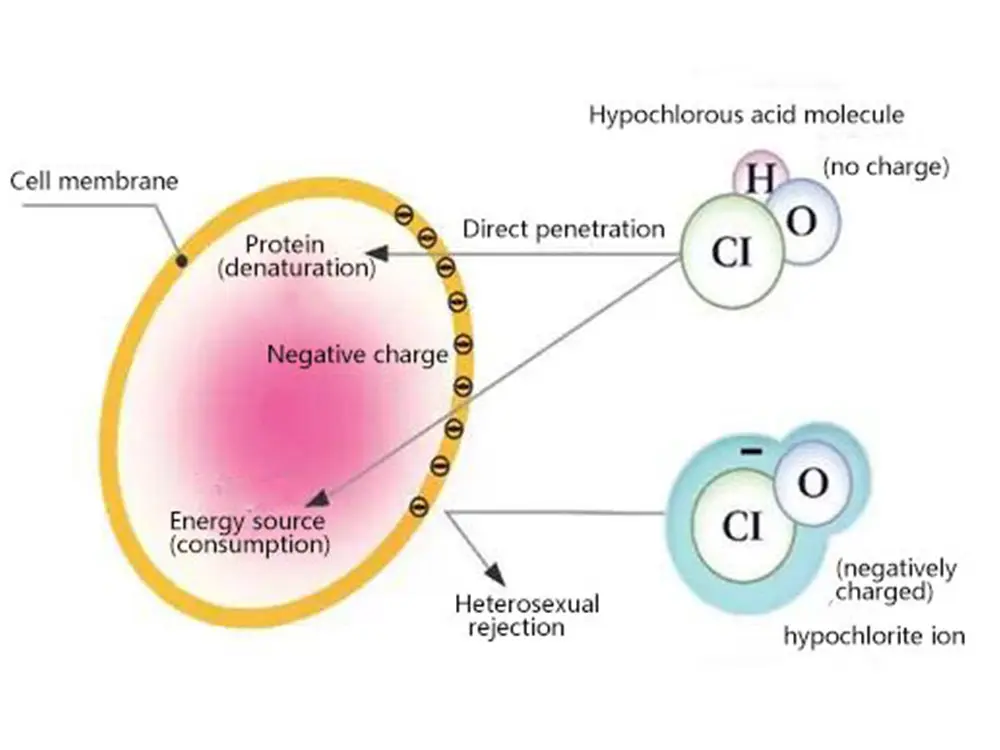
Due to hypochlorous acid (HClO) is a strong oxidizing agent. Its bactericidal mechanism mainly lies in its ability to penetrate the cell walls of microorganisms. Oxidize various proteins within the cells causing denaturation, and destroy key metabolic enzymes and nucleotides. Thereby rapidly killing bacteria, fungi, and even viruses. Studies have shown that slightly acidic electrolyzed water (pH 5.0-6.5, with hypochlorous acid as its main component) can not only effectively kill bacteria but also simultaneously maintain the physical quality. Nutritional quality, and sensory characteristics of food.
In frozen food preservation, hypochlorous acid’s role extends far beyond sterilization:
- Inhibiting ethylene production: Hypochlorous acid effectively controls ethylene release from fruits and vegetables. Delaying their ripening and senescence process. Thereby extending freshness and shelf life.
- Regulating respiratory metabolism: Hypochlorous acid reduces the respiration rate of fruits and vegetables after harvesting. Minimizing nutrient consumption and maintaining food quality.
- Killing spoilage-causing microorganisms: By controlling the initial number of microorganisms. It fundamentally slows down the spoilage process of food.

Hypochlorous acid generator parameters
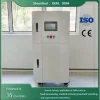
| Model Name | Application of hypochlorous acid generator in frozen food FL-SAEW-1000,2000,4000,6000,9000 |
|---|---|
| flow | 100L/H,200L/H,300L/H,500L/H,1000L/H(Flow can be customized) |
| Concentration | 10-1000PPM(Adjustable) |
| Electrolyte | Salt(Nacl) Or Hydrochloric acid(HCL) |
| Hypochlorous acid PH | 5-6.5 |
| Sodium hydroxide PH | 10-13.5 |
| Voltage | 220V/50Hz,380V/50Hz,110V/60Hz |
| The proportion of hypochlorous acid in ACC | >98.50% |
| Softened water system | One on standby and one in use |
| Weight | 95kg,120kg,180kg,210kg |
| Dimensions of hypochlorous acid generator | Can be customized |
The core application advantages of hypochlorous acid in frozen food
1. Excellent sterilization effect, extending shelf life.
Hypochlorous acid has a sterilization speed 80 times faster than traditional sodium hypochlorite (the main component of 84 disinfectant). And it has broad-spectrum bactericidal properties, effective against bacteria, fungi, viruses, and spores. Research data shows that treating chilled fresh sturgeon meat with acidic oxidative electrolysis of water (effective chlorine concentration 70 mg/L) can reduce the bacterial count by 96.59%. Extending the shelf life by 4 days under 4°C refrigeration conditions. For chilled chicken legs. Ozone combined with ultrasound and low-concentration sodium hypochlorite composite treatment can reduce the initial total bacterial count from 5.72 (lg(CFU/g)) to 4.25 (lg(CFU/g)). Achieving a bacterial count reduction rate of 96.6% and extending the shelf life to more than 5 days.
2. Safe and no residue, in line with food safety requirements
One of the great advantages of hypochlorous acid is its environmental safety. After the completion of sterilization, hypochlorous acid will naturally decompose into water and trace harmless substances. Leaving no harmful residues on the food surface. Compared with the traditional chlorinated disinfectants. Which need to add stabilizer and are easy to remain after use. The existing hypochlorous acid fundamentally avoids the potential harm of chemical residues to human health. Slightly acidic electrolytic water has been approved by the Japanese Ministry of Health. Labor and Welfare and the US Food and Drug Administration (FDA) for use as a fungicide in food additives.
3. Effectively remove odor and improve sensory quality
Frozen food often produces odor due to fat oxidation or microbial metabolism during long-term storage. The strong oxidizing property of hypochlorous acid effectively decomposes odor-producing organic matter and inhibits the metabolic activity of putrefactive microorganisms. The results showed that the surface brightness value and sensory quality of chilled chicken legs treated with hypochlorous acid were improved during storage. And the storage loss and volatile basic nitrogen content were significantly reduced. For aquatic products. Chlorine dioxide treatment can significantly delay protein denaturation and fat oxidation. Protect the integrity of muscle tissue. And ensure the quality and taste of food while killing bacteria.
4. Maintain the original quality of food
Compared with non-thermal sterilization technology, hypochlorous acid treatment avoids the destruction of sensory characteristics and nutritional composition of food by thermal sterilization. The results showed that hypochlorous acid treatment did not have significant adverse effects on the color and lipid oxidation of cold fresh chicken, and had significant bacterium-reducing and fresh-keeping effects on the basis of reducing the use of sodium hypochlorite, and effectively maintained the food quality during storage. In the preparation of frozen lightly stained flavored vegetables, THE process of sodium hypochlorite solution soaking and disinfection combined with freezing storage was used to avoid the conventional pasteurization process and maintain the natural color and crisp sense of the products.
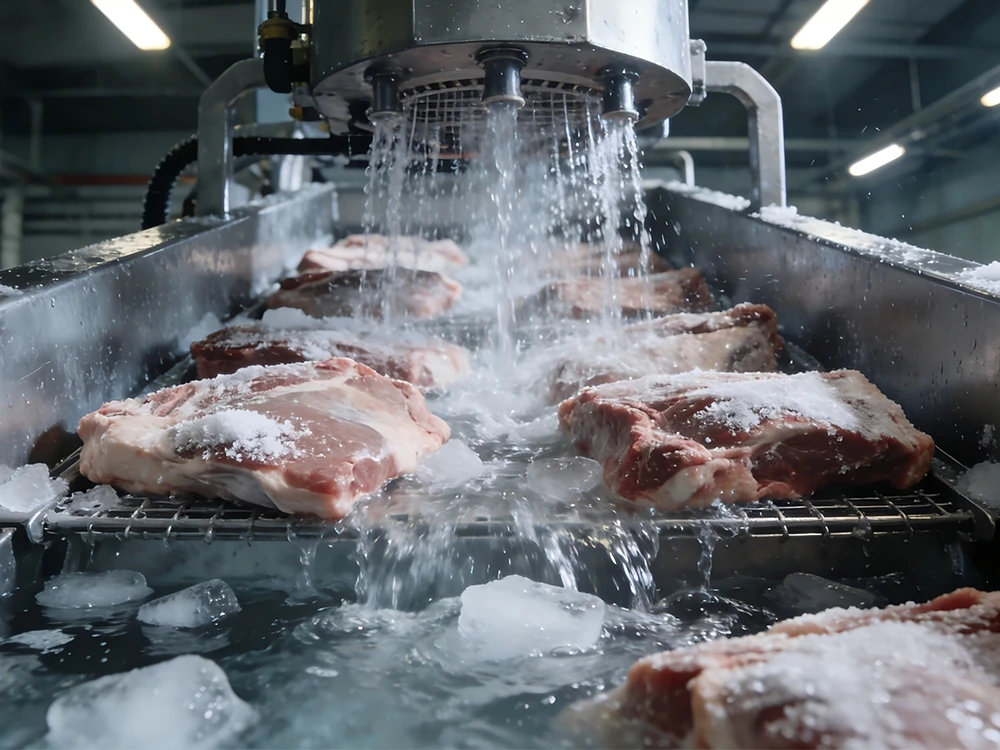
Hypochlorous acid generators, as innovative technological equipment for the preservation and disinfection of frozen foods, are changing the traditional disinfection and preservation model of frozen food processing due to their comprehensive advantages such as high-efficiency sterilization, safety with no residue, odor removal, and low cost. From slaughtering and processing, cold chain transportation to end-user sales, hypochlorous acid technology provides the frozen food industry with a complete biosafety solution from source to table, ensuring food safety while helping companies reduce operating costs and improve product quality. With continuous upgrades in equipment technology and improvements in intelligent management, hypochlorous acid generators will inevitably become an indispensable standardized configuration in the frozen food industry.
FAQ
Can hypochlorous acid really be used for food preservation?
Yes, hypochlorous acid (especially slightly acidic hypochlorous acid solution) has been widely use in food preservation. Its principle is to use its strong oxidizing properties to kill pathogenic microorganisms (such as bacteria and fungi) on the surface of fruits and vegetables, thus slowing down the spoilage process. At the same time, hypochlorous acid can decompose ethylene (a ripening hormone naturally released by fruits and vegetables), further inhibiting the ripening rate.