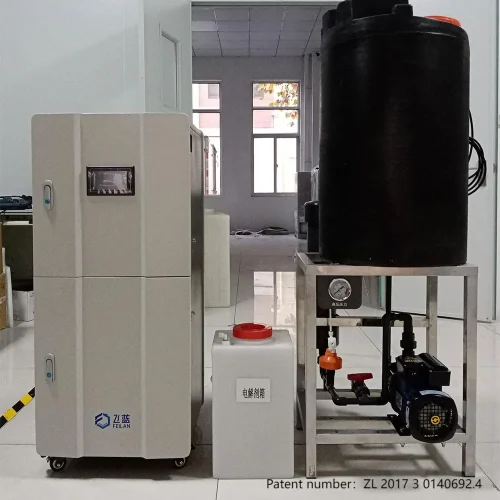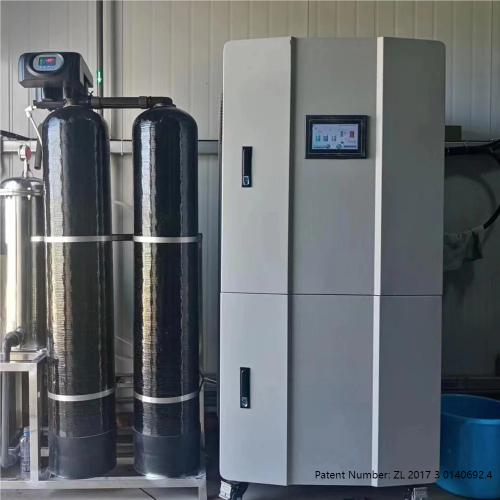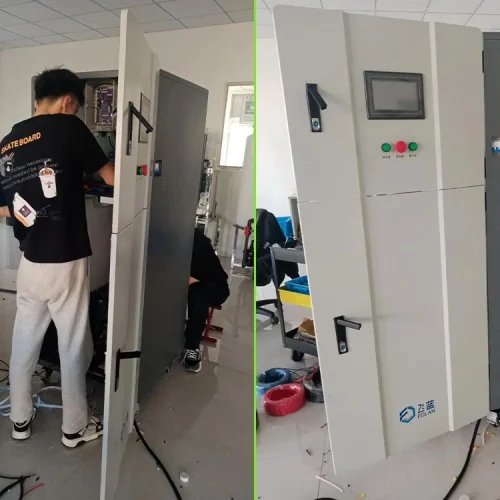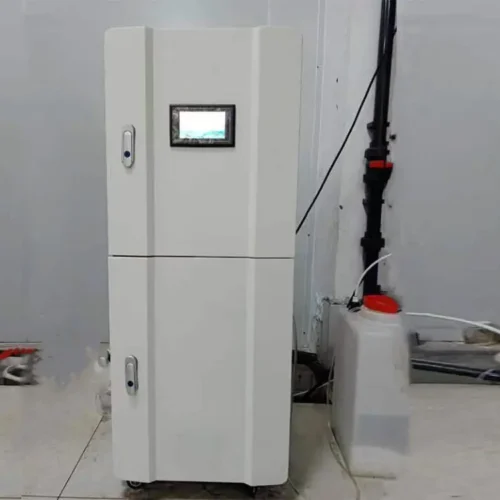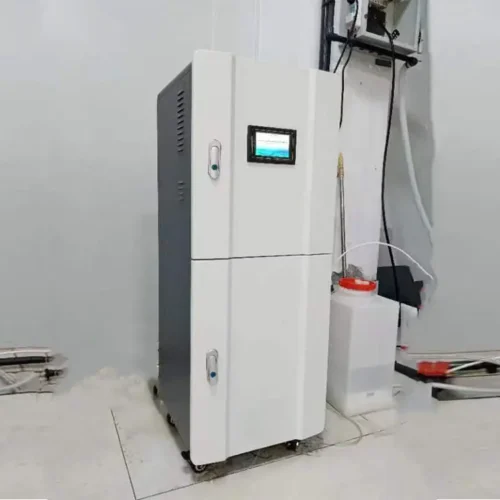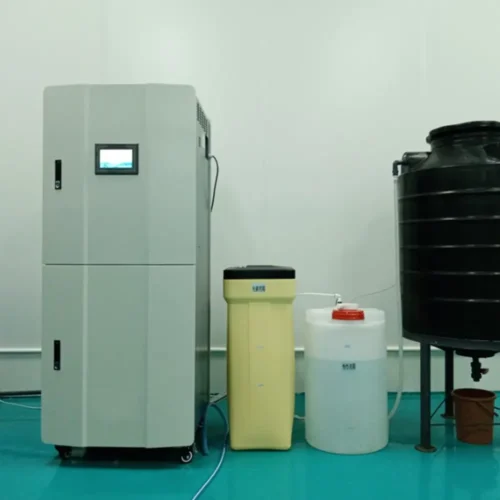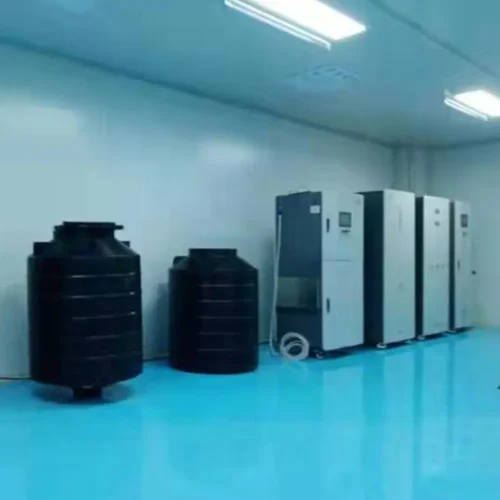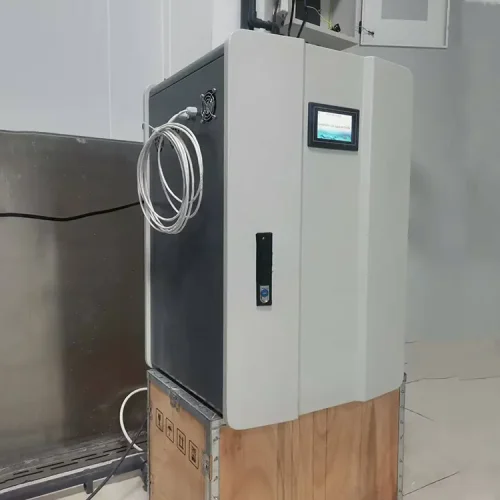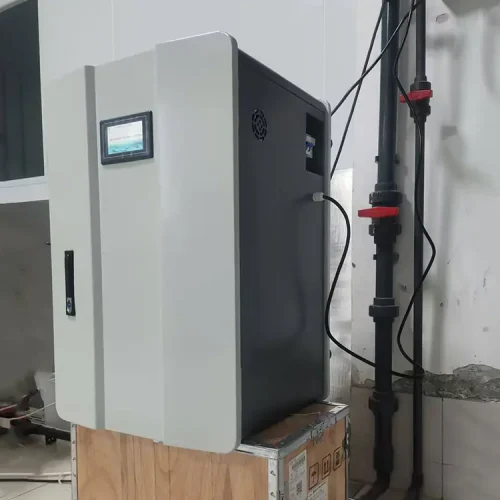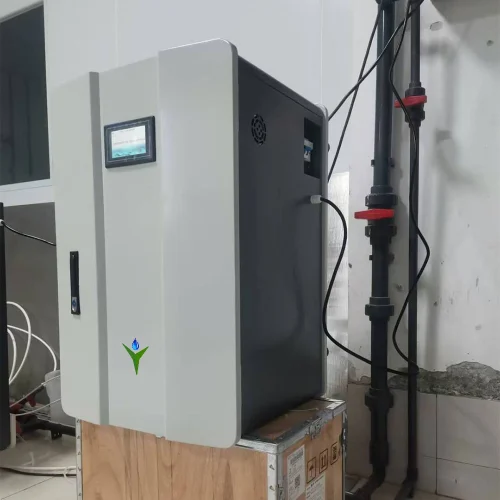


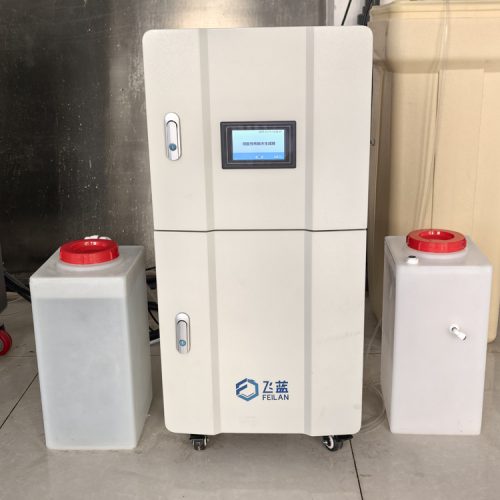
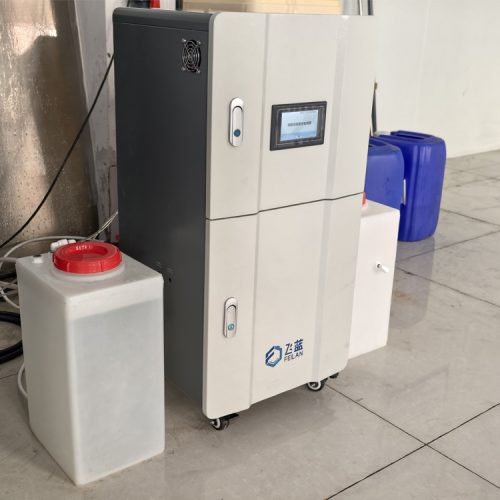
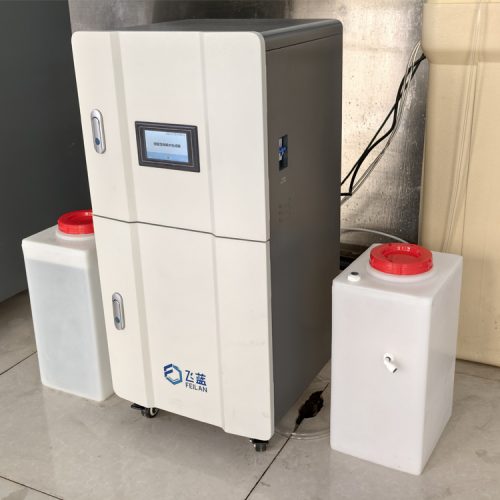




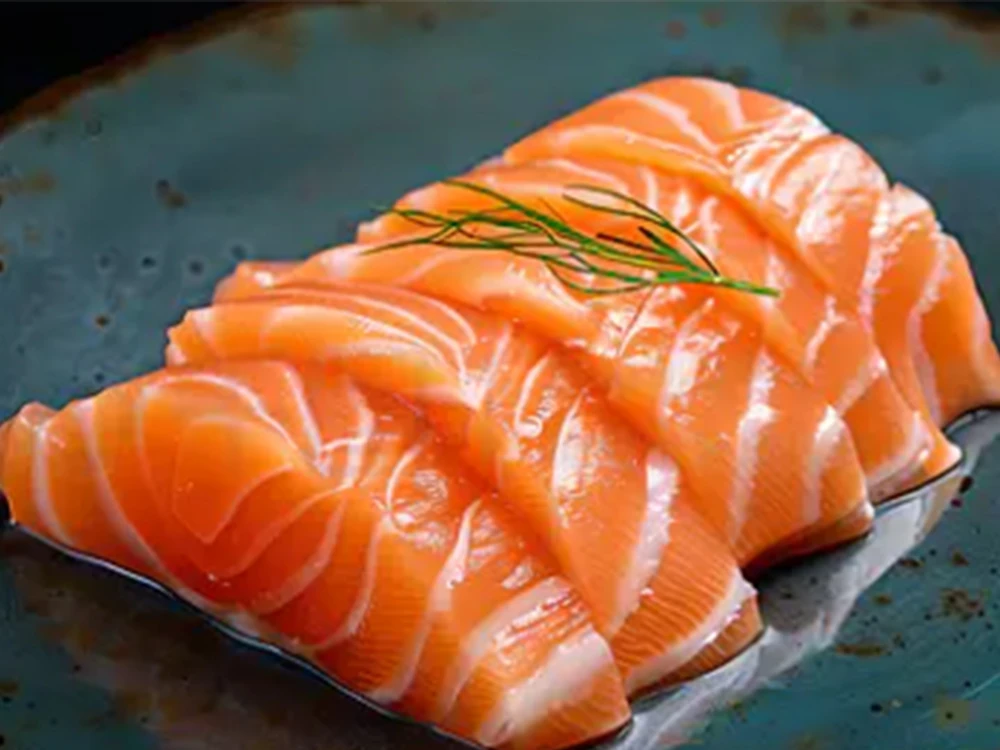
Due to With the increasing global requirements for food safety. Microbial control in aquatic product processing has become the focus of the industry. As a high-end aquatic product favored by consumers. The health and safety of salmon in the processing process is directly related to product quality and consumer health. At the same time hypochlorous acid generator, as an innovative on-site disinfectant generation equipment. Is providing efficient and safe disinfection solutions for salmon cleaning and processing.
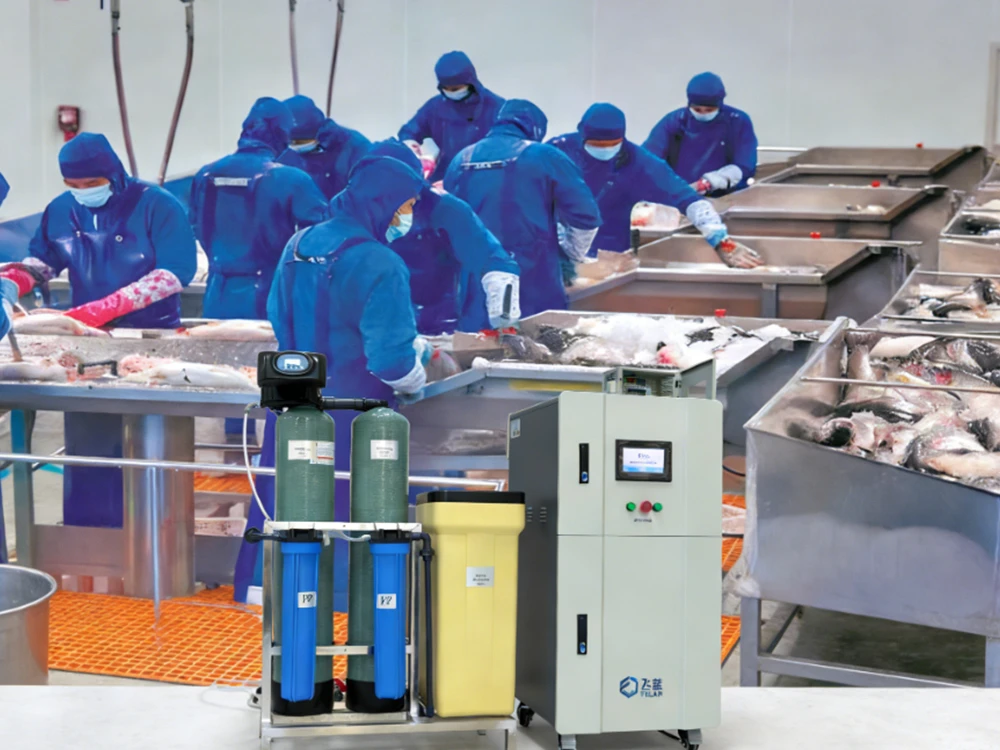
Hypochlorous acid generator equipment parameters
| Model Name | Hypochlorous acid generator used for salmon cleaning processing disinfection FL-SAEW-1000,2000,4000,6000,9000 |
|---|---|
| flow | 100L/H,200L/H,300L/H,500L/H,1000L/H(Flow can be customized) |
| Concentration | 10-1000PPM(Adjustable) |
| Electrolyte | Salt(Nacl) Or Hydrochloric acid(HCL) |
| Hypochlorous acid PH | 5-6.5 |
| Sodium hydroxide PH | 10-13.5 |
| Voltage | 220V/50Hz,380V/50Hz,110V/60Hz |
| The proportion of hypochlorous acid in ACC | >98.50% |
| Softened water system | One on standby and one in use |
| Weight | 95kg,120kg,180kg,210kg |
| Dimensions of hypochlorous acid generator | 460*420*1200mm |
Principle of hypochlorous acid disinfection technology
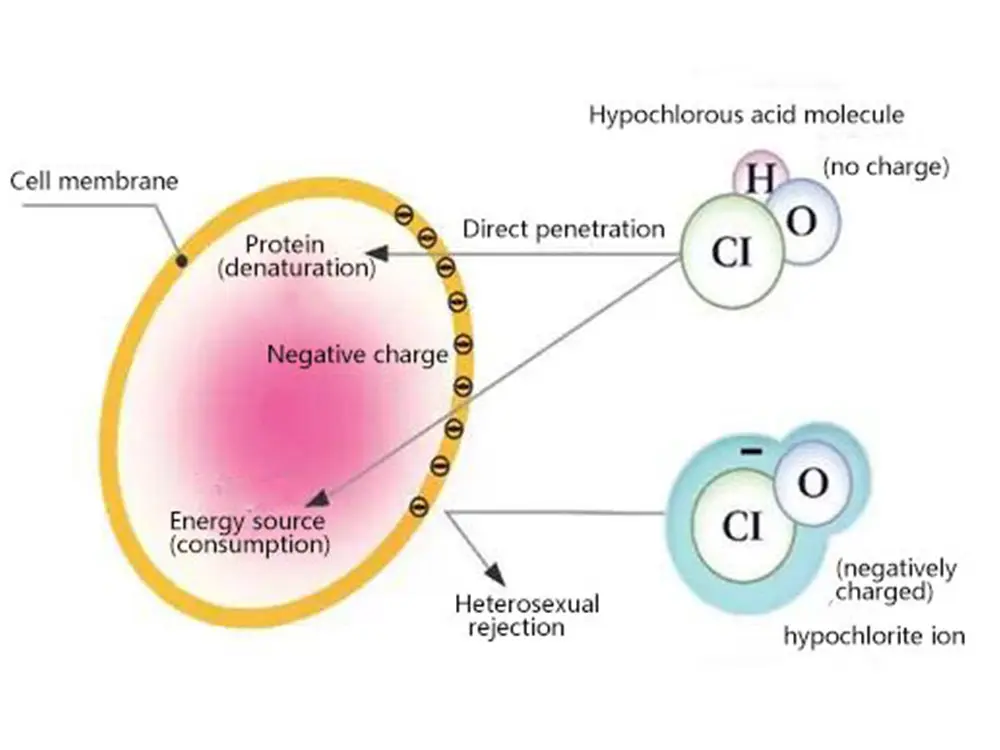
Hypochlorous acid (HOCl) is a highly effective natural disinfectant that is also produce by human white blood cells to fight pathogens. By electrolyzing dilute salt solution (salt water), hypochlorous acid generator generates disinfectant containing hypochlorous acid on site. Its disinfection mechanism is mainly based on:
- Strong oxidation: Hypochlorous acid can penetrate the microbial cell wall and destroy its protein structure and enzyme system
- Broad spectrum sterilization: it has good inactivation effect on bacteria, viruses, fungi and other microorganisms
- Fast action: usually in a few seconds to tens of seconds can achieve the ideal disinfection effect
Application of hypochlorous acid generator in salmon
1. Surface pretreatment of raw fish
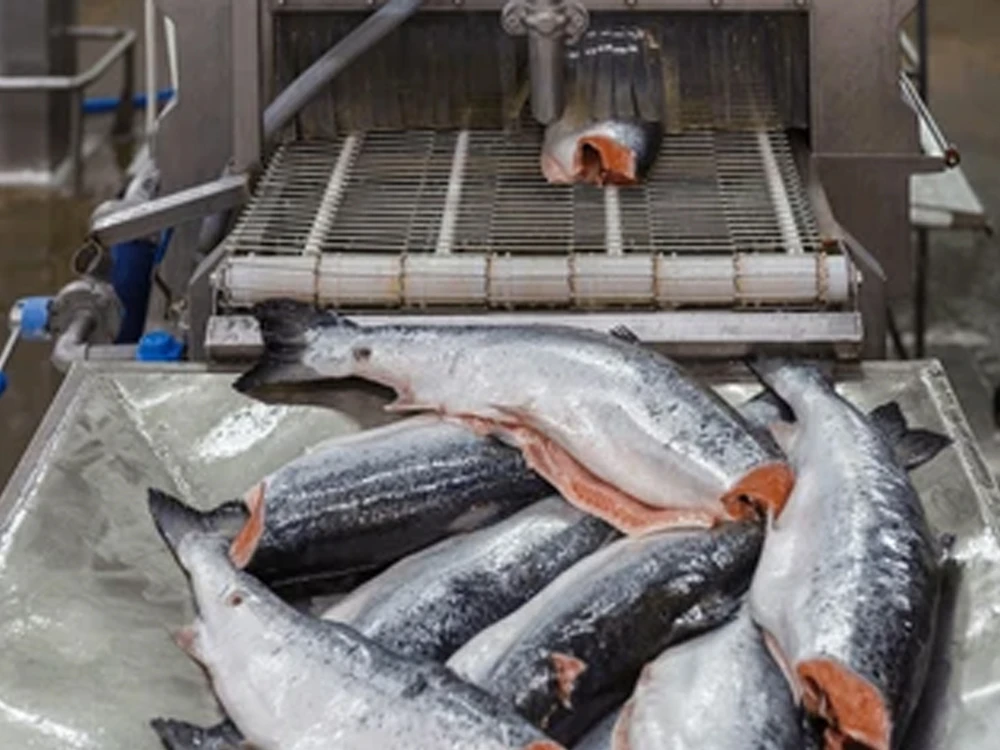
Firstly at the beginning of processing. The whole salmon is spray or submerged with 20-30ppm hypochlorous acid solution. Which can effectively reduce the initial number of colonies on the surface and reduce the risk of cross contamination in subsequent processing.
2. Disinfection of processing equipment and appliances
- Conveyor belt and operating table: continuous atomization spray or regular rinse to keep the processing surface hygienic
- Cutting tools and cutting tools: Soak and disinfect to prevent the spread of microorganisms through the tools
- Processing containers: thoroughly disinfect before recycling
3. Disinfect processing water
Firstly the disinfectant generated by the hypochlorous acid generator is add to the cleaning water in proportion to maintain the residual chlorine concentration of 3-5ppm to ensure that the water in the whole processing process meets the health standards
4. Workshop ambient air disinfection
Through the atomization system, the hypochlorous acid aqueous solution is atomized into tiny particles, suspended in the air, and the air disinfection of the whole processing environment is realized, especially suitable for low temperature processing workshop.
5. Disinfect hands and protective equipment
At the same time hypochlorous acid disinfection stations are set up at the entrance of the workshop and key operating points for rapid disinfection of staff hands and work clothes.
Advantages of hypochlorous acid disinfection in salmon processing
1,Security Benefits
- Food grade safety: hypochlorous acid is harmless to human body and has no harmful residue under appropriate concentration
- No toxic residue: only water and trace chloride are form after decomposition, without secondary washing
- Does not affect product quality: it has no negative effect on the color, taste and nutrition of salmon
2,Hypochlorous acid generator effect advantage
- High efficiency and broad spectrum: it has good killing effect on common foodborne pathogens such as Salmonella, Listeria, Vibrio, etc
- Fast action: it can achieve the disinfection effect in a short time and adapt to the continuous processing rhythm
- Biofilm control: can effectively penetrate and destroy the biofilm formed on the surface of the processing equipment
3,Economic and operational advantages of hypochlorous acid generators
- On-site generation: on-demand production, avoiding the risk of deterioration of traditional disinfectant storage
- Cost control: only salt, water and electricity are need, and the operation cost is low
- Adjustable concentration: It can adjust the concentration of disinfectant flexibly according to different disinfection requirements
- Environmentally friendly: no pollution in the production process, harmless decomposition products after use

Application case of hypochlorous acid generator in salmon
At the same time the introduction of hypochlorous acid generator system in a large salmon processing enterprise in northern Europe has achieved remarkable results:
The qualified rate of microorganism increased from 92% to 99.5%
Equipment cleaning time is reduce by 30%
40% reduction in disinfectant costs
Product shelf life is extend by 15%
FAQ
Does the use of hypochlorous acid to disinfect salmon products affect their taste, color or nutrition?
Under the right concentration and conditions of use, there are few negative effects.
- Taste and nutrition: Hypochlorous acid is a very mild disinfectant and does not damage protein structure as some strong oxidants do. When it is used to clean salmon, it has a short action time and eventually decomposes into water, so it will not cause the denaturation of muscle protein, and it will maintain the original taste and nutrients (such as Omega-3 fatty acids) of salmon.
- Colour: Hypochlorous acid does not bleach or oxidise the salmon’s signature orangish-red flesh (mainly from astaxanthin), helping to maintain its bright, natural colour and give the product a better appearance.
- Key points: The optimal effective concentration and contact time for different links (such as water disinfection and product washing) must be determine through experiments to achieve the desired sterilization effect while ensuring zero damage to the product. Low-concentration (e.g., 10-30 ppm) hypochlorous acid solutions are commonly use in the industry for spray or immersion rinsing.