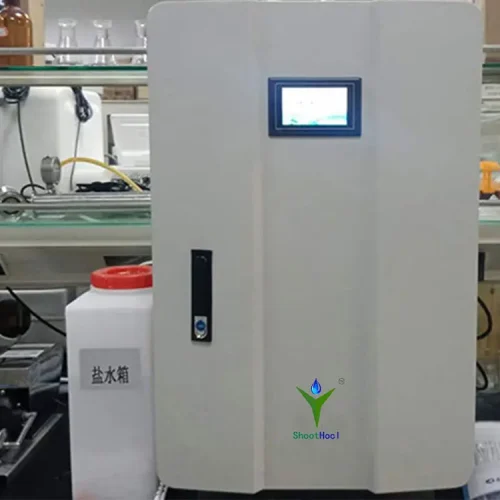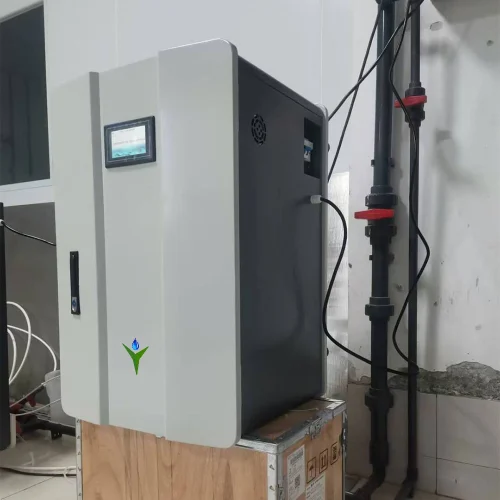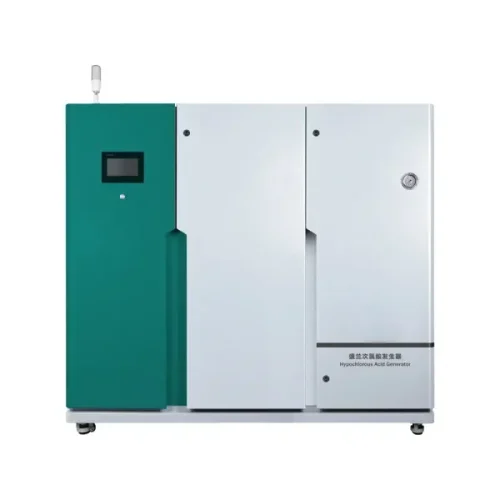

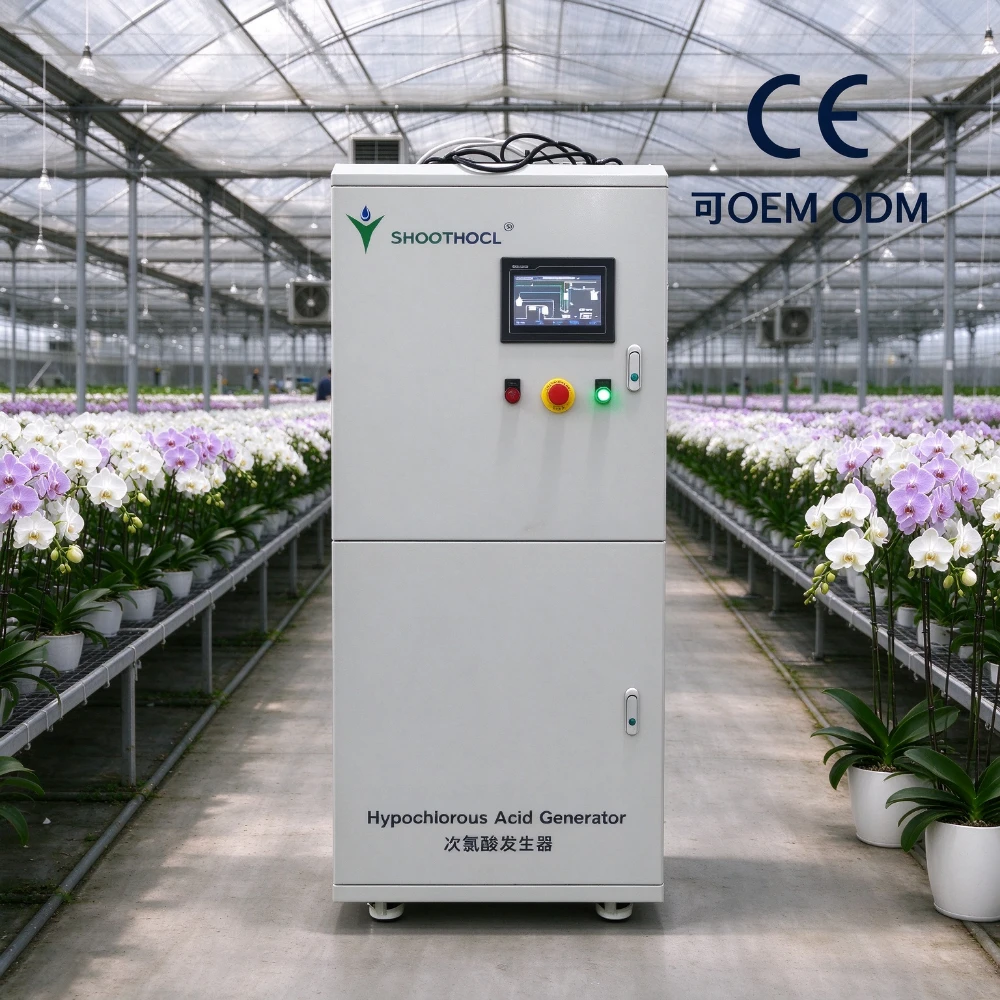
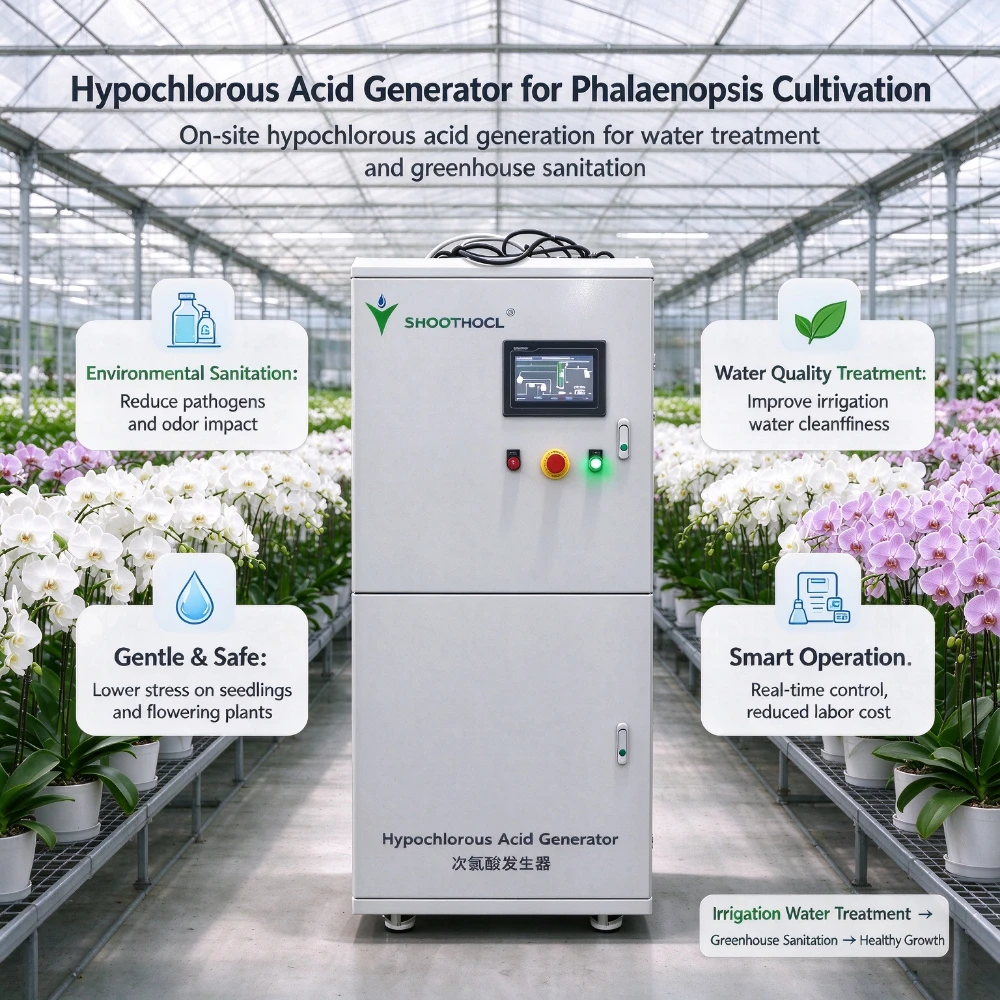





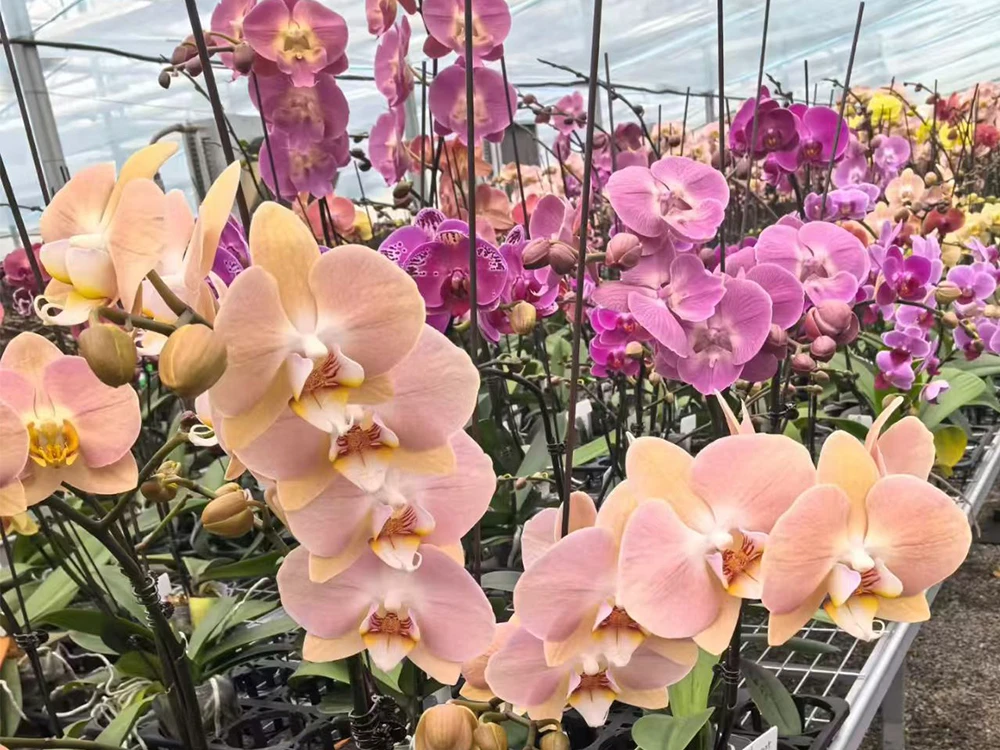
Phalaenopsis occupies an important position in the flower market because of its long flowering period and high ornamental value. However, bacterial and fungal diseases occur frequently in the high humidity environment of greenhouse cultivation. In particular, bacterial soft rot spreads rapidly in high temperature and high humidity season. Which can lead to leaf decay and plant death, becoming the main limiting factor affecting yield and quality. Traditional control relies too much on chemical pesticides. Which not only easily leads to resistance of bacteria, but also faces the double pressure of pesticide residues and environmental pollution.
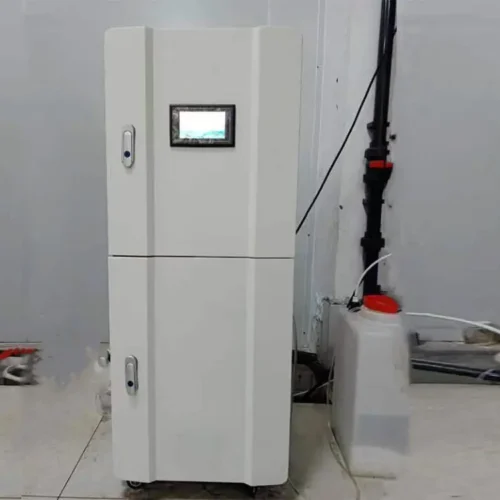
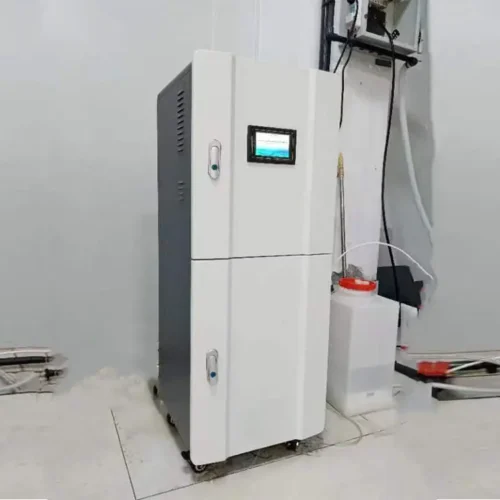
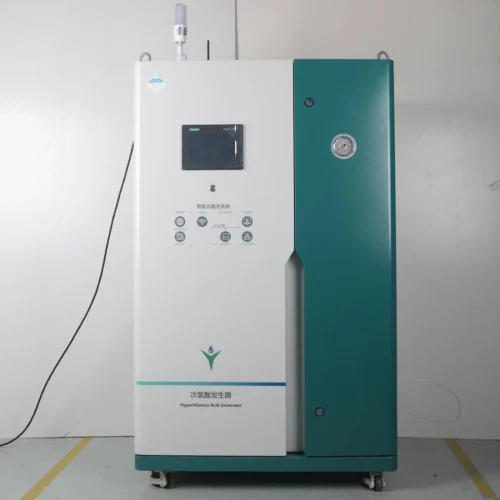
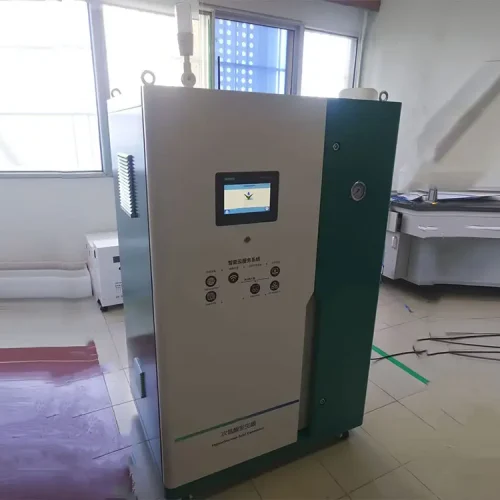
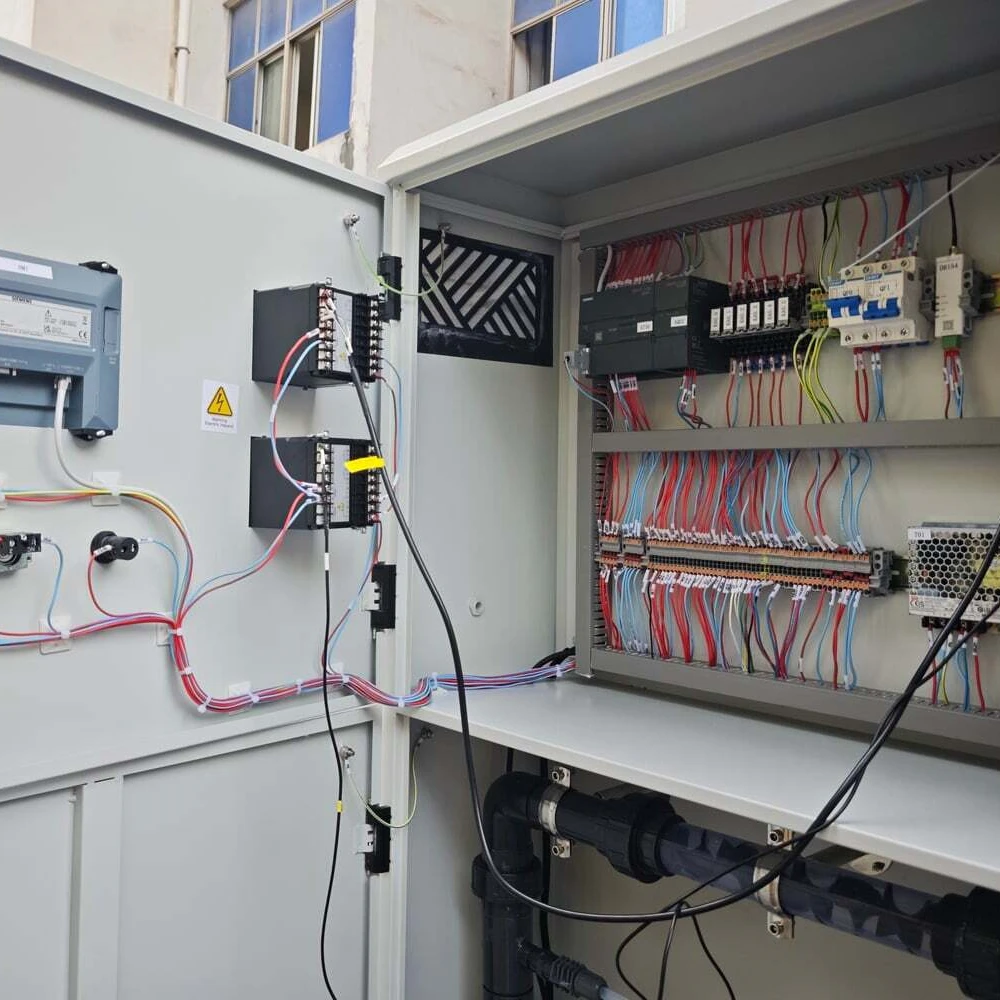
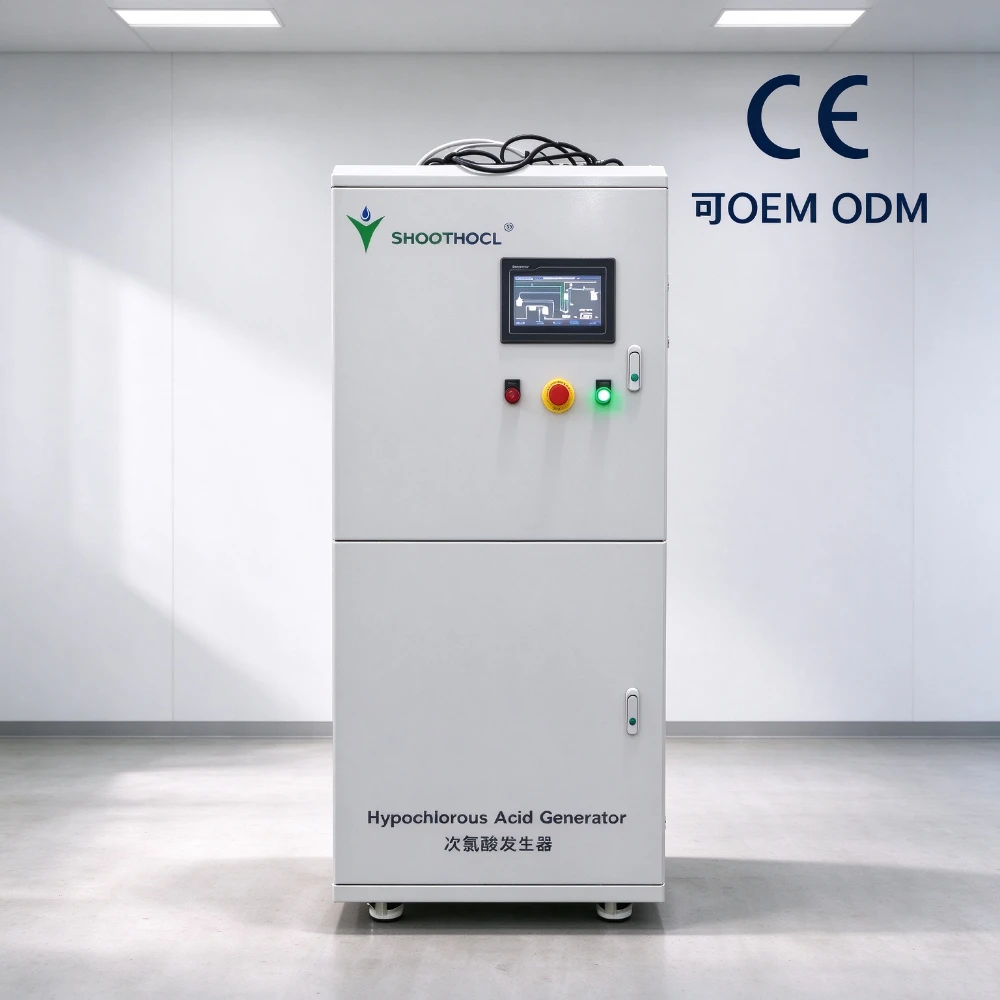
Hypochlorous acid generator parameters
| Model Name | Hypochlorous acid generator for Phalaenopsis cultivation FL-SAEW-1000,2000,4000,6000,9000 |
|---|---|
| flow | 100L/H,200L/H,300L/H,500L/H,1000L/H(Flow can be customized) |
| Concentration | 10-1000PPM(Adjustable) |
| Electrolyte | Salt(Nacl) Or Hydrochloric acid(HCL) |
| Hypochlorous acid PH | 5-6.5 |
| Sodium hydroxide PH | 10-13.5 |
| Voltage | 220V/50Hz,380V/50Hz,110V/60Hz |
| The proportion of hypochlorous acid in ACC | >98.50% |
| Softened water system | One on standby and one in use |
| Weight | 95kg,120kg,180kg,210kg |
| Dimensions of hypochlorous acid generator | Can be customized |
Technology and sterilization mechanism of hypochlorous acid generator
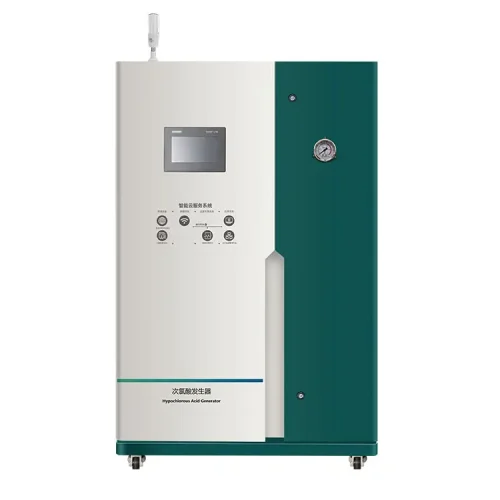
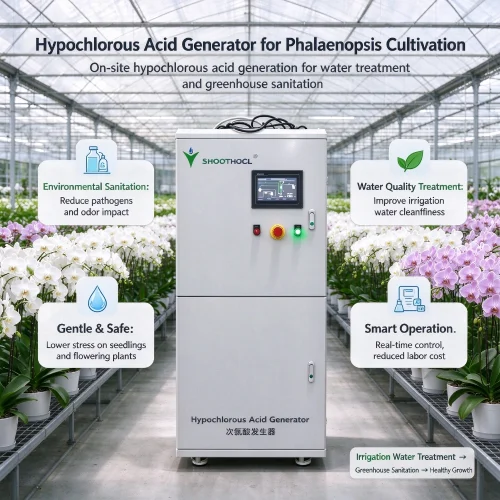
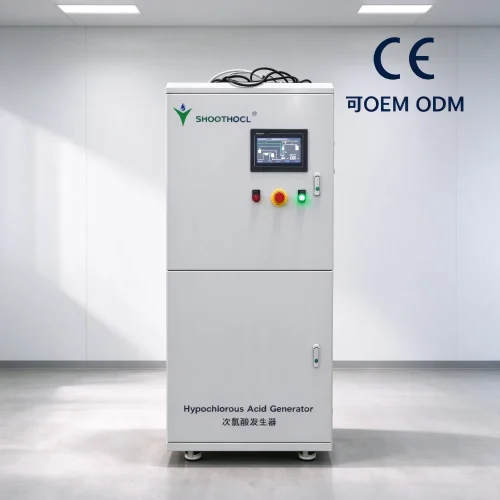
Hypochlorous acid generator is a device that generates water hypochlorous acid (HClO) on site by electrolysis of low concentration salt water or dilute hydrochloric acid. Its core advantage is that the pH value of the output solution is stable between 5.0 and 6.5. And the available chlorine in the solution almost exists in the form of hypochlorous acid molecules.
The bactericidal ability of hypochlorous acid was much higher than that of hypochlorite ion (ClO⁻). Because hypochlorous acid molecule is electrically neutral and has a small molecular weight, it can easily penetrate the cell wall of pathogenic microorganisms. After entering the cell interior. It will react with key metabolic enzymes to quickly destroy the metabolic function of bacteria and fungi. So as to achieve the effect of rapid sterilization. Studies have shown that hypochlorous acid has a high killing rate against common plant pathogens such as Fusarium, phytophthora and soft rot bacteria

How does hypochlorous acid prevent Phalaenopsis disease and insect pests
1,Precise prevention and control of soft rot by hypochlorous acid
Soft rot is the “devastating disease” of Phalaenopsis. Key data support was provided by the Taiwan Agricultural Laboratory Institute: laboratory tests showed that soft rot bacteria could be completely inhibited by treating them with 10 mg/L (ppm) of hypochlorous acid water for 10 minutes. In the further pot experiment, using 20-50 mg/L hypochlorous acid water. The prevention and control rate of soft rot of Phalionopsis can reach 18.0% to 88.9%. Which can significantly reduce the incidence of high concentration of bacteria inoculated. This confirms that water hypochlorous acid at a reasonable concentration can effectively cut off the infection chain of soft rot.
2,Disinfection of greenhouse environment by hypochlorous acid
Using hypochlorous acid generator, growers can build a “three-dimensional prevention and control” system:
- Air disinfection: In a closed greenhouse. Spraying water hypochlorous acid through an atomization system can significantly reduce the concentration of pathogenic spores in the air and reduce the risk of disease transmission through air flow.
- Substrate treatment: The application of appropriate amount of hypochlorous aicd water in the cultivation substrate can inhibit the propagation of harmful microorganisms. And at the same time, due to the characteristics of its decomposition products. It will not cause destructive damage to the beneficial bacteria in the substrate. Which is helpful to maintain the microecological balance of the rhizosphere.
- Prevention and control of root nematodes: The study also tried to use hypochlorous acid water instead of highly toxic pesticides to eliminate plant parasitic nematodes in the roots of Phalanthia, which opened up a new path for non-pesticide control
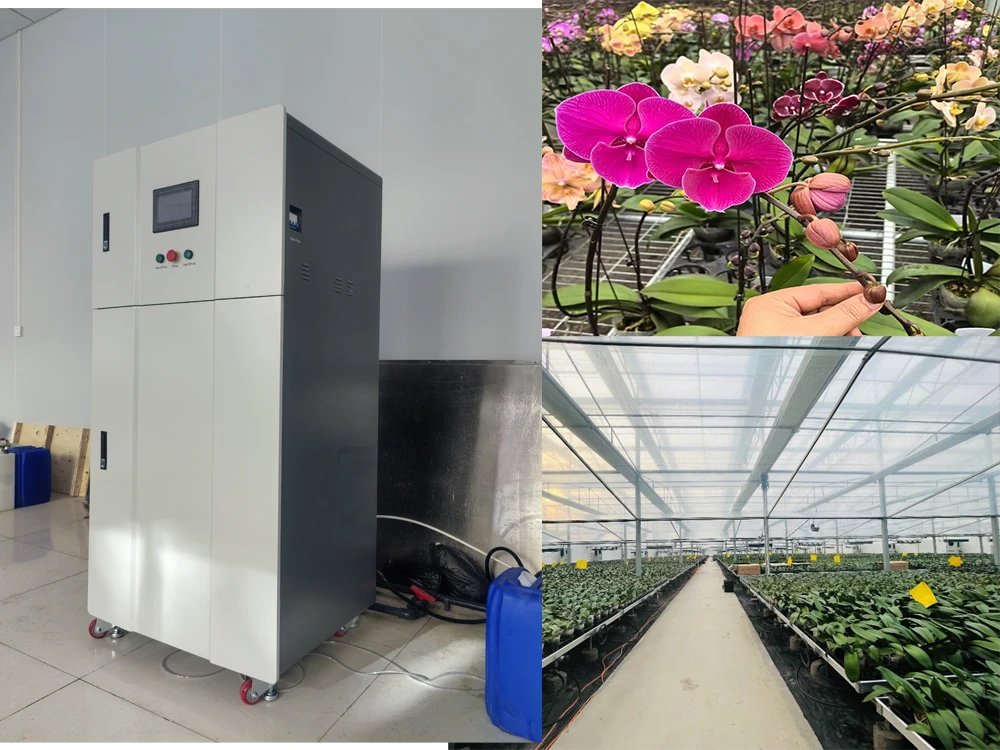
Hypochlorous acid generator to improve the survival rate of Phalaenopsis
1. Promote root health and promote flowers
A healthy root system is the basis for survival. After the decomposition of hypochlorous acid water. Oxygen is produced, which is equivalent to indirectly increasing oxygen for roots. Which is conducive to root respiration and nutrient absorption. In addition, a patented technology shows that spraying water with hypochlorous acid according to a specific cycle (such as every 3-5 days at the young seedling stage) not only has the effect of disinfection, but also makes Phalanthia blossom at least 2 months earlier. And the number of flowers increases. And the color is more bright. This may be due to the fact that hypochlorous acid water stimulates the stress response of plants and promotes the expression of floral genes.
2. Reduce damage and improve seedling quality
After dividing seedlings, changing POTS and other agricultural operations, plants inevitably produce wounds. Which is the channel for pathogen invasion. An immediate spray of water with hypochlorous acid will quickly disinfect the wound and prevent infection. The ACTUAL application data SHOWED THAT AFTER using hypochlorous acid sterilization in PhalAENopsis cultivation greenhouse. The disease rate, mortality rate, yellow leaves and root rot of the plants were reduced by 5-10%. Combined with the use of hypochlorous acid generators. There are even cases where the incidence of pests and diseases is reduced by about 95%
3,Safety of hypochlorous acid generator
Unlike traditional sodium hypochlorite (bleach). Hypochlorous acid water is less irritating to plant tissue. It will naturally decompose into water and oxygen after it has completed its sterilization task. Leaving no harmful residue on the petals and leaves. And will not inhibit the behavior of beneficial insects such as bees used for subsequent pollination
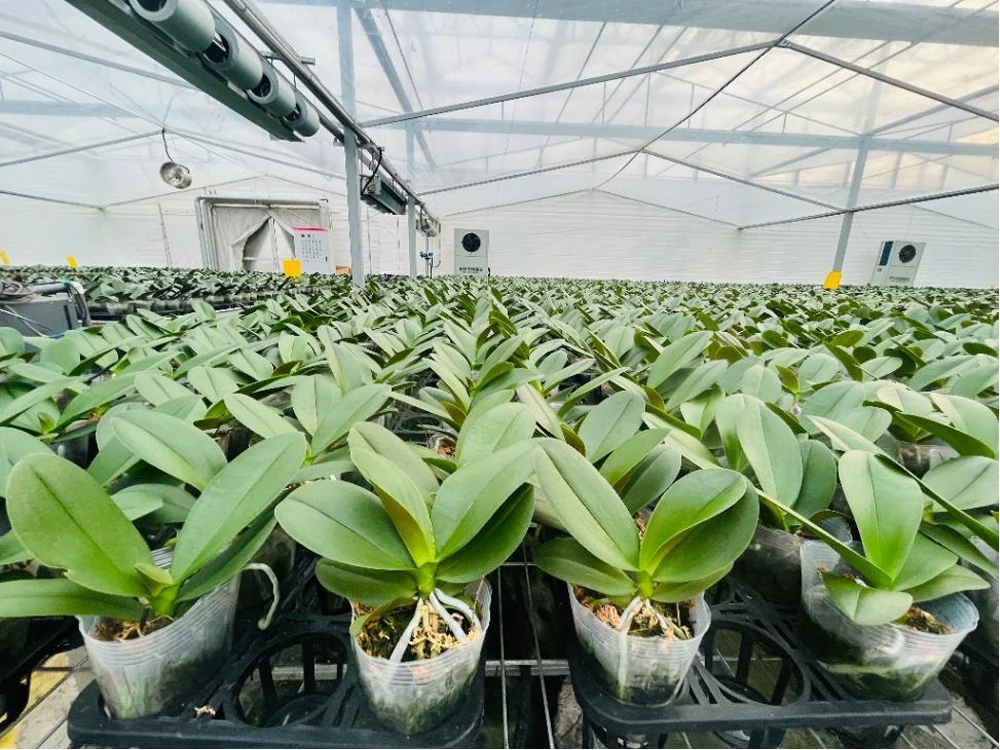
The application of hypochlorous acid generator in Phalaenopsis planting is the organic combination of facility agriculture and modern disinfection technology. By producing high-purity hypochlorous acid water, it not only provides an efficient means of control against stubborn diseases such as soft rot (up to 80% prevention rate at appropriate concentration), but also comprehensively improves the survival rate and commodity quality of Iris orchids by optimizing the growth environment, promoting root development and inducing early flowering. As a safe, environmentally friendly and economical alternative, hypochlorous acid generator is becoming an ideal choice for high-end flower planting to achieve green and sustainable development.
Strength of factory
Customer Feedback