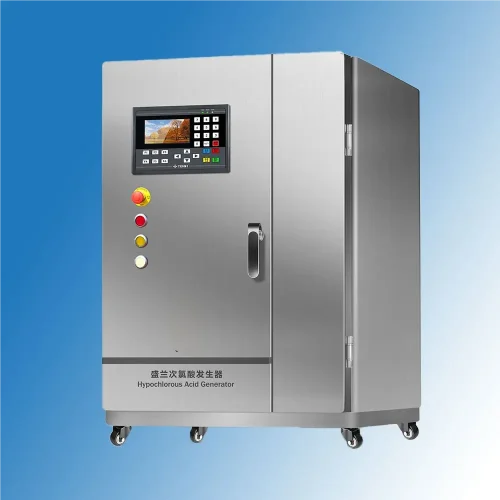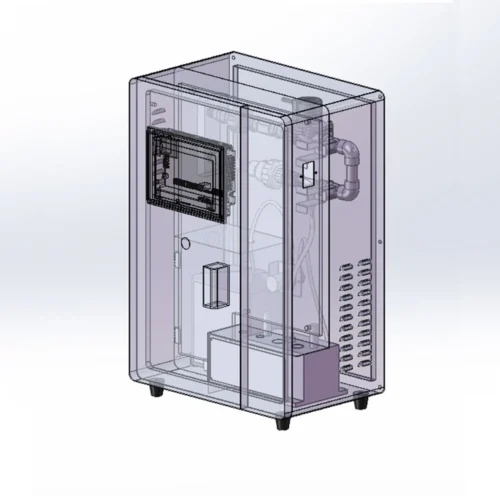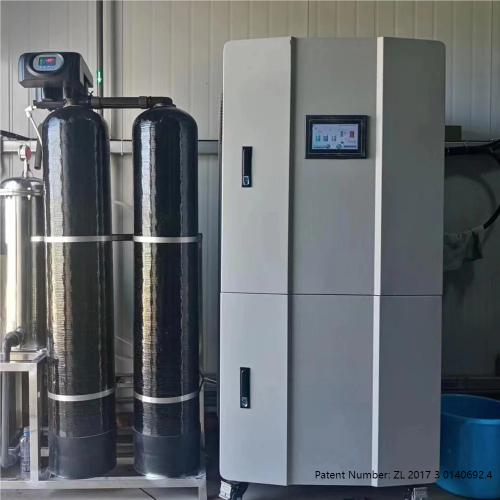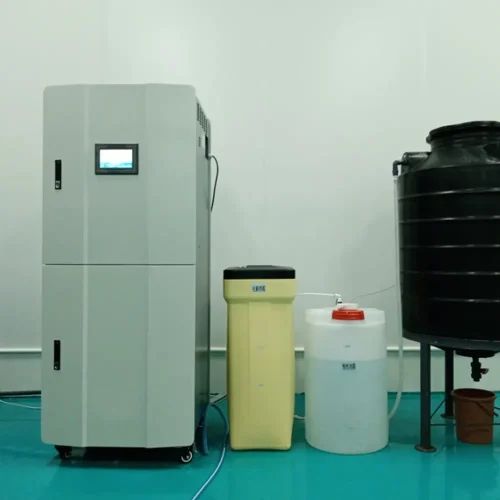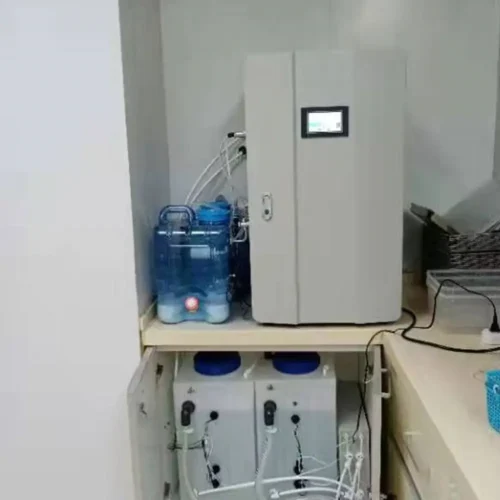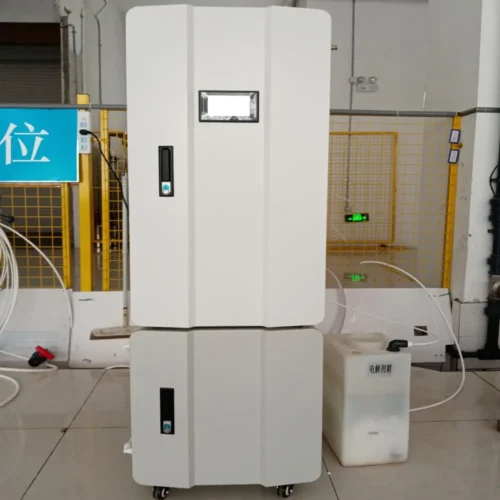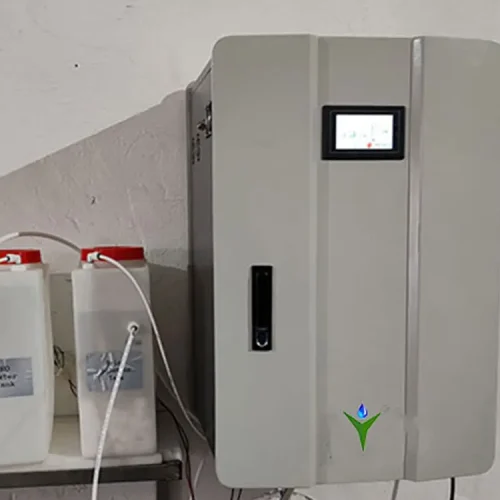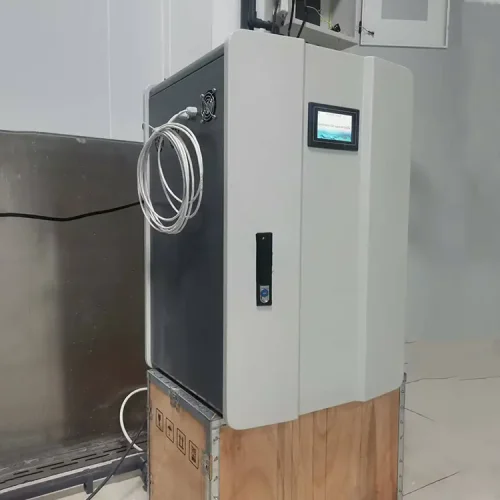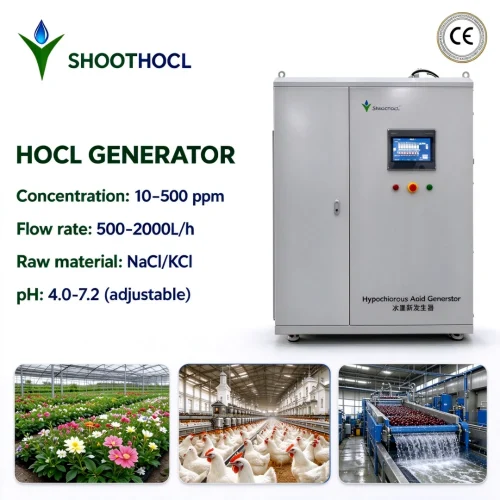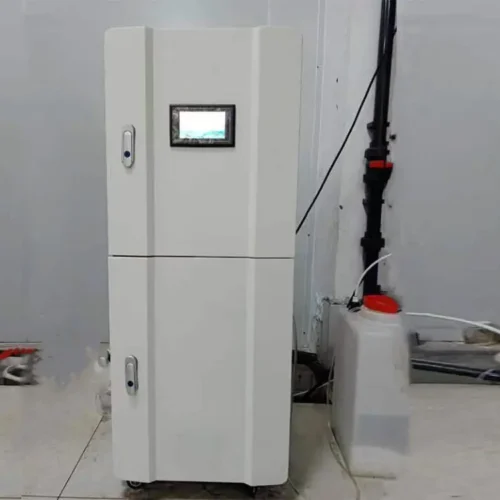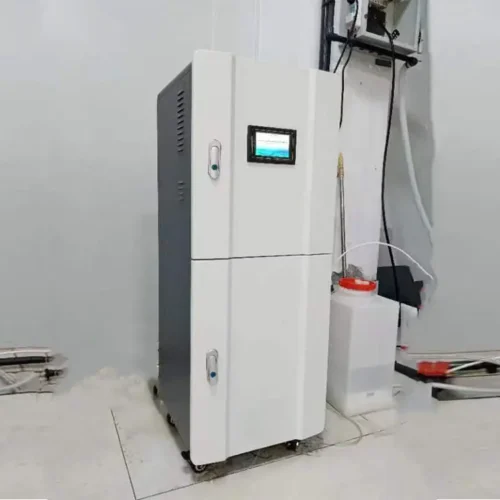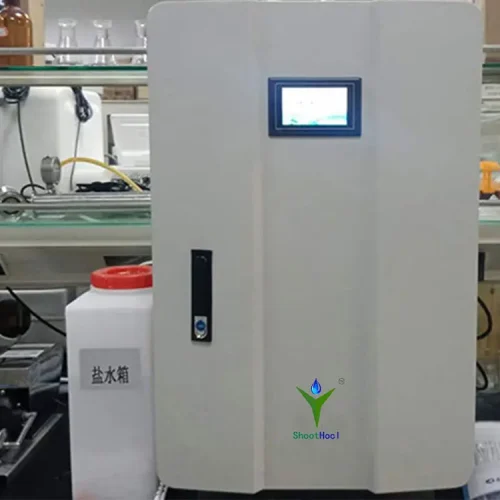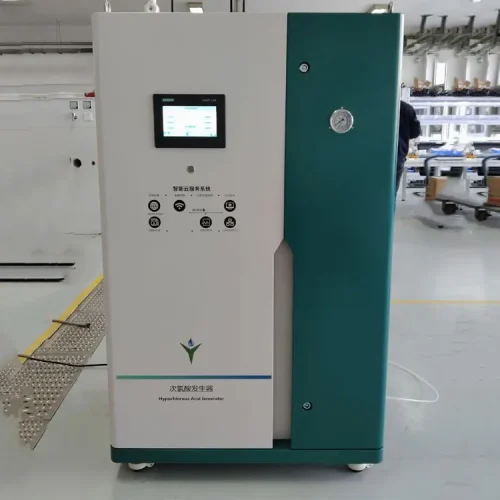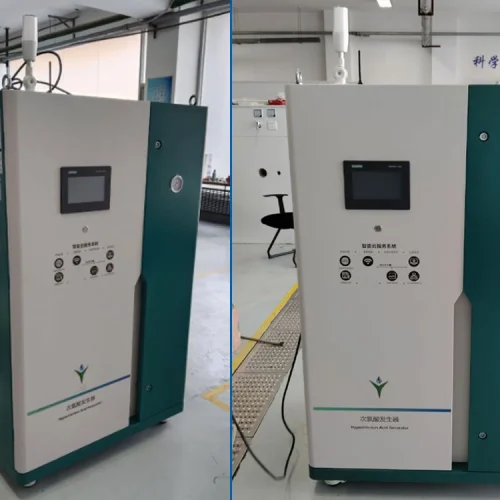

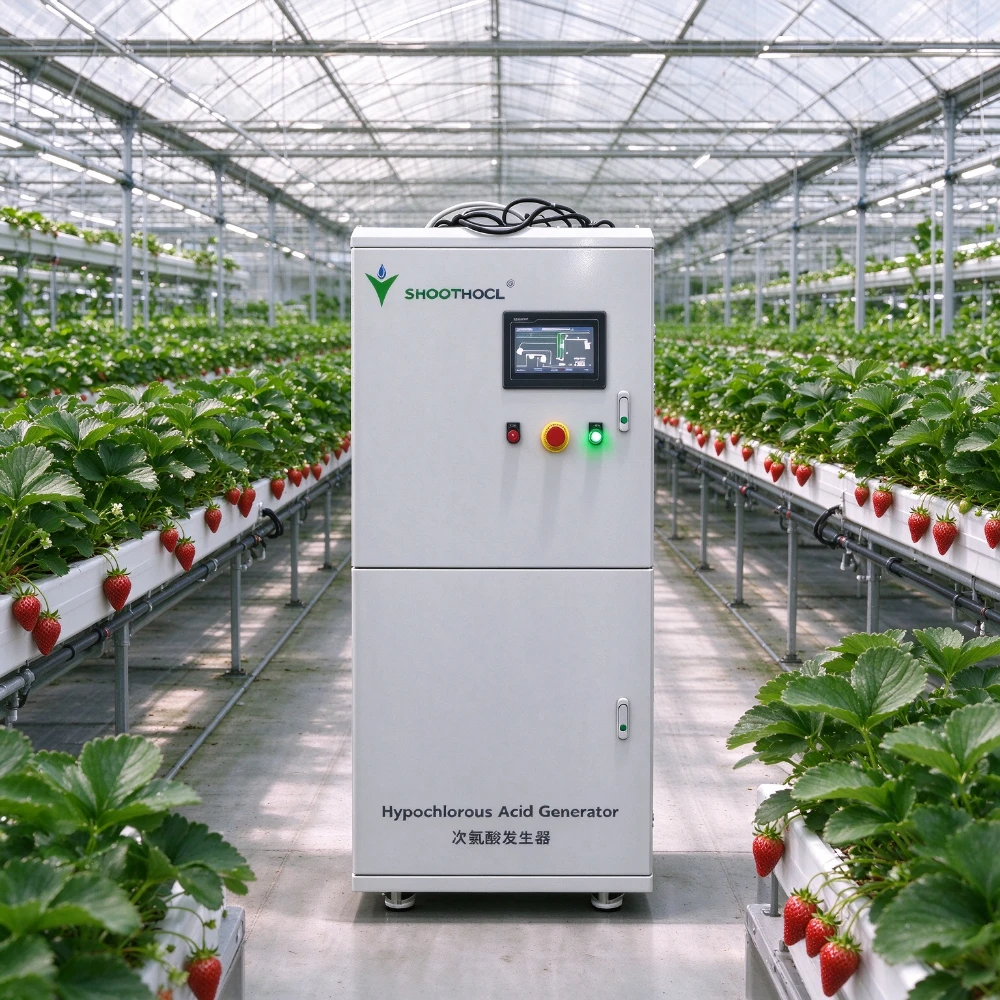
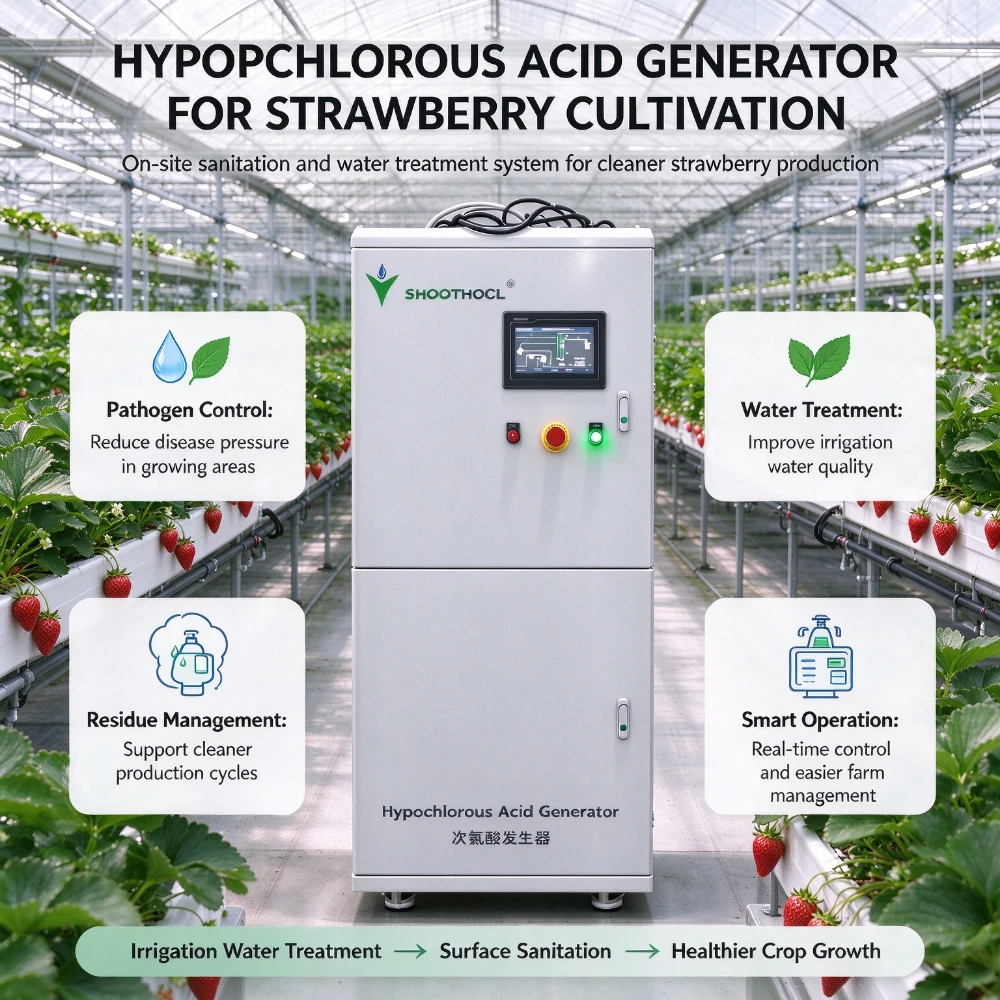
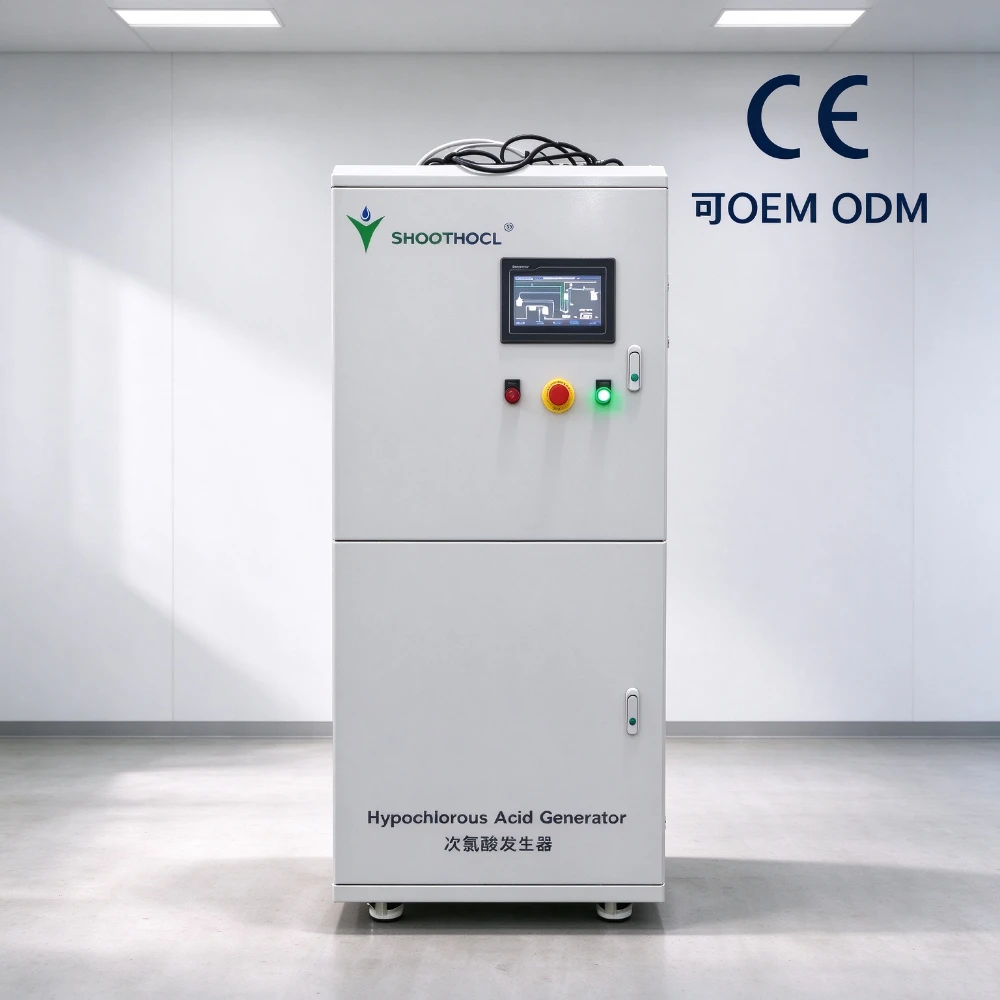
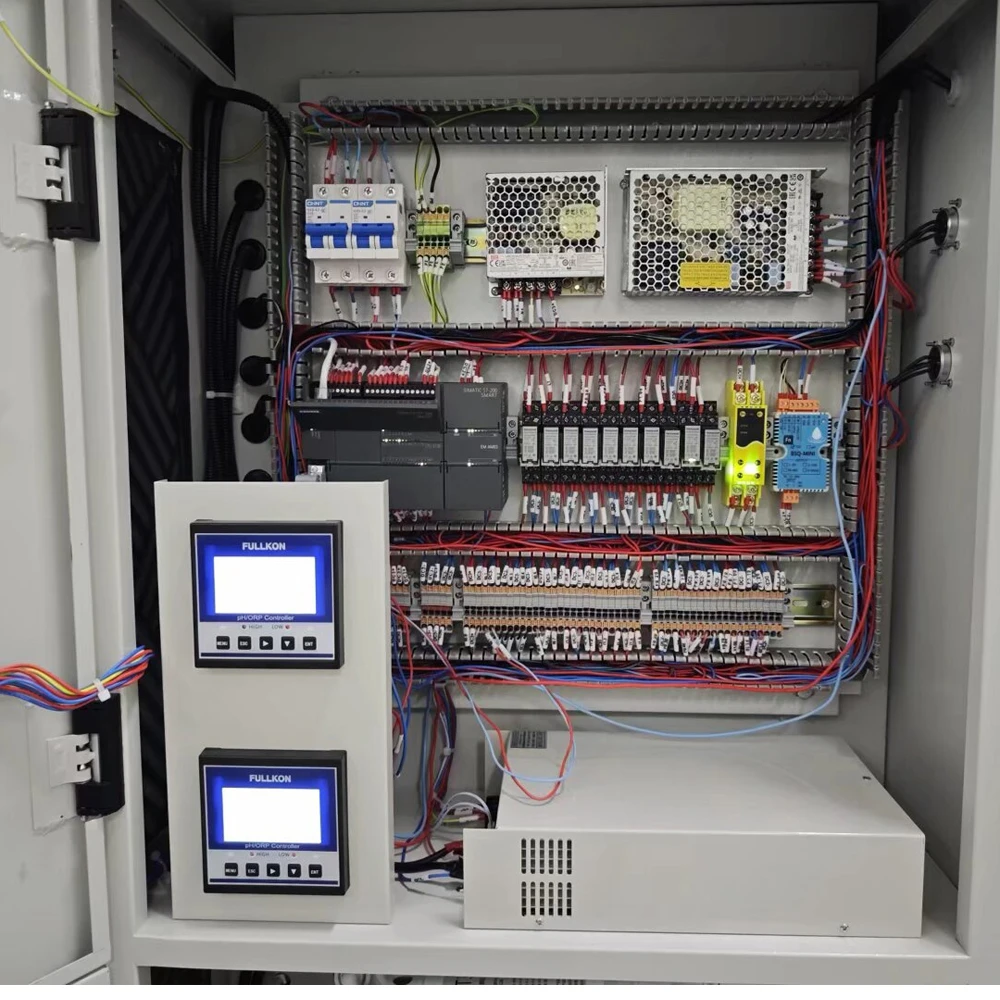
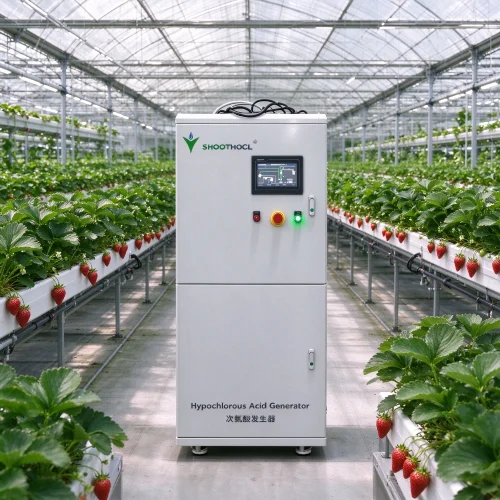
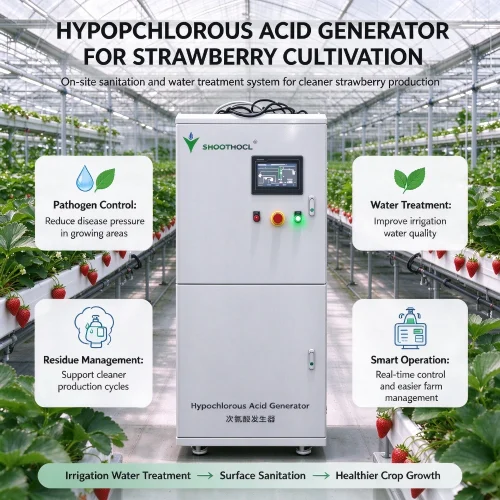
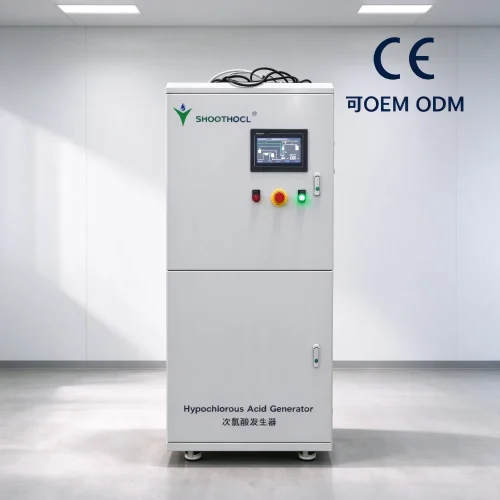
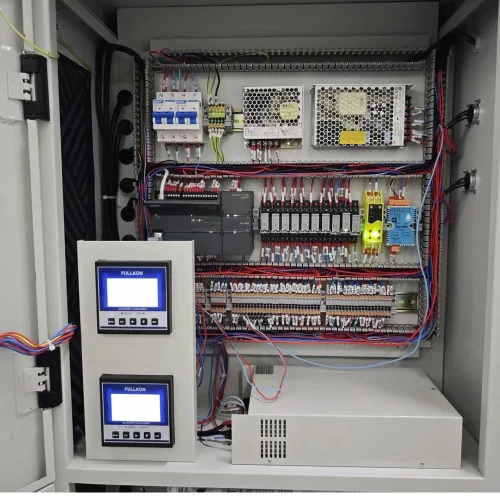




Hypochlorous acid generator technology provides an innovative solution for green and efficient strawberry planting. It transforms simple salt and water into powerful plant protection tools through physical and electrochemical methods. And realizes the whole chain of harmless prevention and control from soil disinfection, water treatment. Growth period health care to post-harvest preservation. Incorporating it into the standardized management system of strawberry planting can not only effectively reduce the dependence on chemical pesticides. Improve the edible safety and fruit quality of strawberries. But also reduce environmental pollution. It meets the requirements of sustainable development of modern agriculture, and has broad application prospects. In practical application, parameter optimization should be carried out according to specific planting conditions and combined with good agricultural management measures to maximize its benefits.

Advantages of hypochlorous acid generator in strawberry cultivation
Compared with traditional pesticides and some chemical disinfectants, hypochlorous acid has significant advantages in agricultural applications:
- High efficiency and broad spectrum: It has good killing effect on common strawberry gray mold. Powdery mildew, anthrax and other pathogenic bacteria.
- Safety and no residue: the degradation products are harmless and do not affect the flavor of strawberry. The picking interval is short or even without waiting. Which is in line with the green and organic planting concept.
- Rapid action: immediate effect of exposure, suitable for prevention and early control.
- Versatility: Both environmental disinfection, irrigation water treatment, plant spray health care and other multiple uses.
- Economy of use: the equipment is invested once. The operation cost is mainly salt and electricity, and the long-term use cost is low.


Hypochlorous acid generator parameters
| Model Name | Application advantages of hypochlorous acid generator in strawberry planting FL-SAEW-1000,2000,4000,6000,9000 |
|---|---|
| flow | 100L/H,200L/H,300L/H,500L/H,1000L/H(Flow can be customized) |
| Concentration | 10-1000PPM(Adjustable) |
| Electrolyte | Salt(Nacl) Or Hydrochloric acid(HCL)Potassium chloride (KCL) |
| Hypochlorous acid PH | 5-6.5 |
| Sodium hydroxide PH | 10-13.5 |
| Voltage | 220V/50Hz,380V/50Hz,110V/60Hz |
| The proportion of hypochlorous acid in ACC | 98.50% |
| Softened water system | One on standby and one in use |
| Weight | 95kg,120kg,180kg,210kg |
| Dimensions of hypochlorous acid generator | 460*420*1200mm |
Specific application of hypochlorous acid generator in strawberry planting
1. Disinfection of planting environment and facilities
- Soil/substrate disinfection: Spray or water the cultivation tank. Soil or seedling substrate with 80 to 100 ppm hypochlorous acid solution before colonization. Which can effectively reduce the base of soillborne pathogens and nematodes and create a clean rhizosphere environment.
- Facilities surface disinfection: the greenhouse, greenhouse skeleton, walkways, irrigation pipes, tools, etc. are regularly sprayed (100-150 ppm) to prevent cross infection.
2. Irrigation water treatment
Water line cleaning and disease prevention: The hypochlorous acid generator is connected to the irrigation system. And low concentration of hypochlorous acid (1-3 ppm) is continuously added to the water. Which can effectively inhibit the formation of biofilm in the irrigation pipeline. Kill pathogenic bacteria (such as phytophthora, rot mold) carried in the water. Prevent root rot, fusarium wilt and other diseases from spreading through irrigation water. And ensure the cleanliness of the integrated water and fertilizer system.
3. Health care and disease prevention of strawberry plants
- Preventive spray: Apply foliar spray to strawberry plants regularly (e.g., once a week) during high disease seasons (e.g., continuous rainy days). With a recommended concentration of 50-80 ppm. It can effectively prevent gray mold (for flower organ, fruit). Powdery mildew, leaf spot and other leaf diseases, and form a protective layer.
- Therapeutic treatment: In the early stage of disease occurrence. Targeted spraying of 80-100 ppm hypochlorous acid solution in and around the disease area can effectively control the spread of disease spots. The fruit and leaves of grey mould should be remove in time and the surrounding area should be disinfect.
- Treatment at transplanting stage: Before transplanting strawberry seedlings. Dipping roots or spraying roots with 50 ppm hypochlorous acid solution can reduce root carrier bacteria and improve the survival rate of slow seedlings.
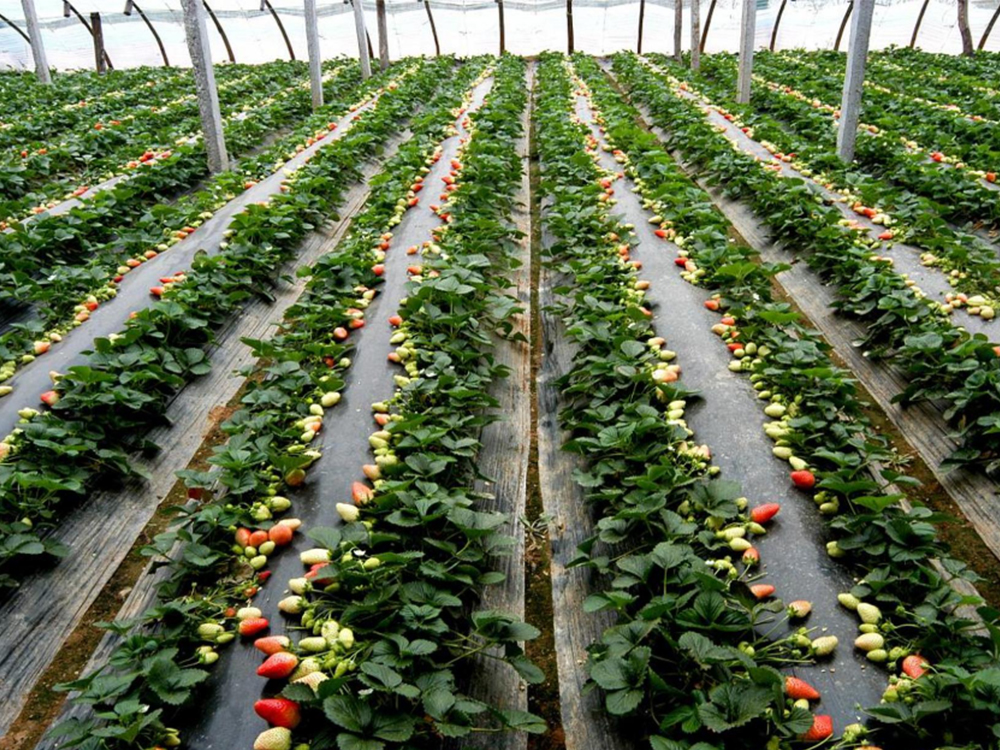
Application scheme and precautions of hypochlorous acid generator in strawberry planting
- Concentration control: Strictly follow the principle of “low concentration, high frequency”. The concentration required for different purposes varies greatly. Too low concentration may not be effective, and too high concentration (especially more than 200 ppm) may cause minor burns or irritation to the young leaves. Flowers and fruits of strawberries. Be sure to determine the optimal concentration according to the equipment instructions. Water quality and actual conditions.
- Use time: Avoid foliar spray in high light and high temperature at noon. And choose early morning or evening to prolong the action time of the solution on the leaves and reduce evaporation. When spraying, make sure that the leaf surface, leaf back and stem are evenly cover.
- Water quality: The water quality of the prepared solution is too hard (high calcium and magnesium ion) or contains a lot of organic matter. Which will consume available chlorine and affect the bactericidal effect. It is recommend to use clean water.
- Ready for use: Although more stable than traditional chlorinated disinfectants, the hypochlorous acid solution will slowly decompose over time. It is recommend that the generator be use as soon as possible after production (preferably within 24 hours) to ensure the best results.
- Compatibility test: Hypochlorous acid is an oxidizing agent, which may be ineffective or react when mixed with some fertilizers or pesticides. If you need to mix, you must first test the compatibility of a small range. It is generally recommend to be use alone or in combination with non-reducing products such as biological agents.
- Equipment maintenance: regularly clean the generator electrode and maintain it according to the instructions to ensure the purity and concentration of the hypochlorous acid solution.
- Personnel safety: Although the low concentration solution is less irritating to the skin and mucosa, it is still recommend to wear gloves and goggles during operation to keep the workplace ventilate.
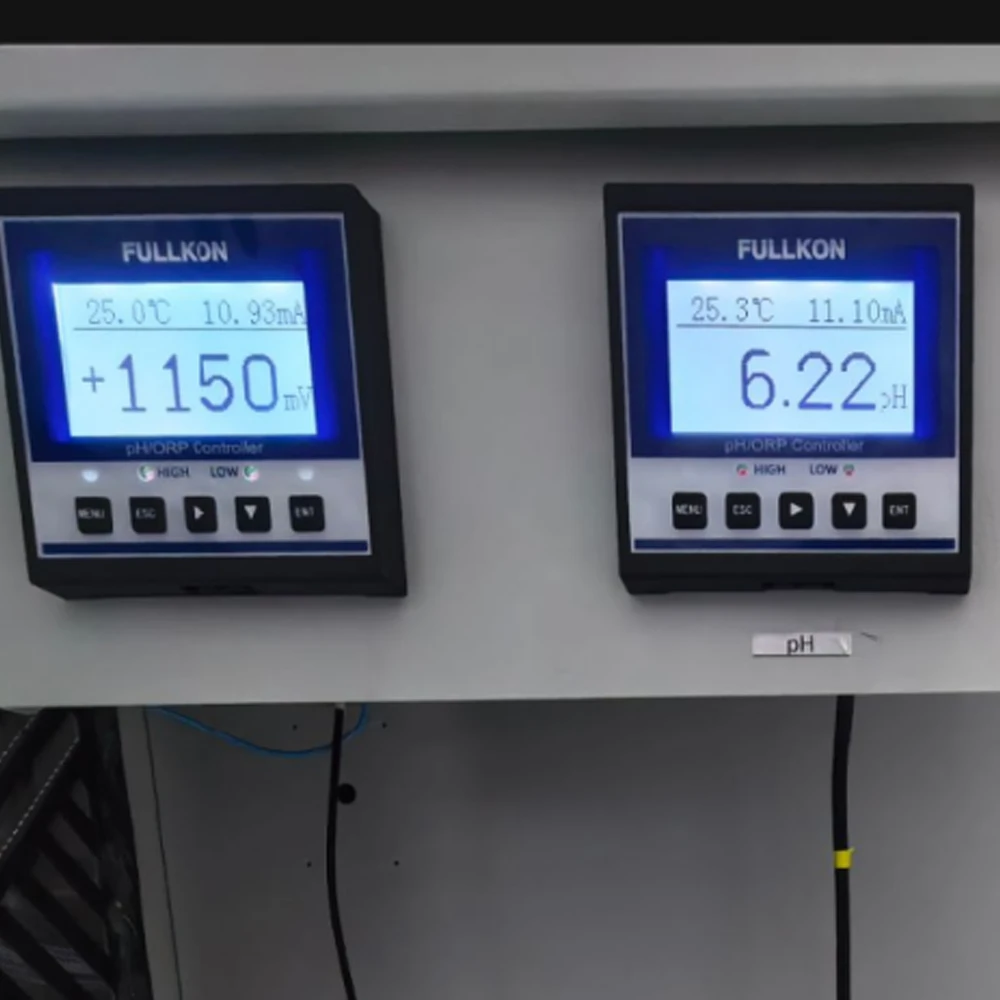
FAQ
What is the effect of hypochlorous acid treatment on strawberry quality and yield?
A: Hypochlorous acid treatment usually has a positive effect on strawberries:
- Improved fruit quality: Reduced fruit rot rate by reducing disease infection, resulting in more complete fruit appearance and bright color.
- Prolong shelf life: USE low concentration of hypochlorous acid water soaking or spraying after harvest, can inhibit the growth of mold in transportation and storage, and extend the shelf life.
- Ensure stable yield: effectively control the spread of diseases, avoid large-scale production reduction, especially inhibit soil-borne diseases in continuous cropping plots.
- Safety: Meet food contact standards, correct use will not affect the flavor or safety of strawberries, and there is no risk of pesticide residues.