






In modern agricultural production, disease prevention and control has always been a key factor affecting crop yield and quality. Although traditional chemical pesticides can effectively control diseases, problems such as pesticide residues. Environmental pollution and pathogen resistance caused by long-term use have become increasingly prominent. With the development of agricultural science and technology. Hypochlorous acid generator technology, a safe and environmentally friendly alternative, is gradually becoming an important tool in modern agricultural planting, providing innovative solutions for improving plant survival and preventing diseases.
What is hypochlorous acid generator?
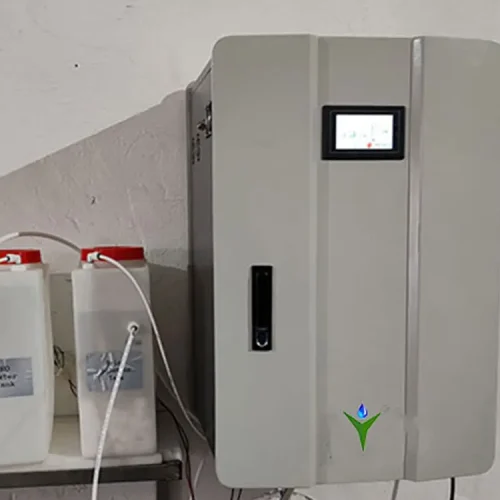
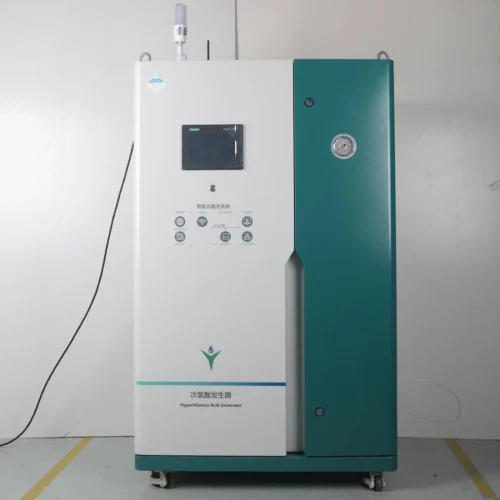
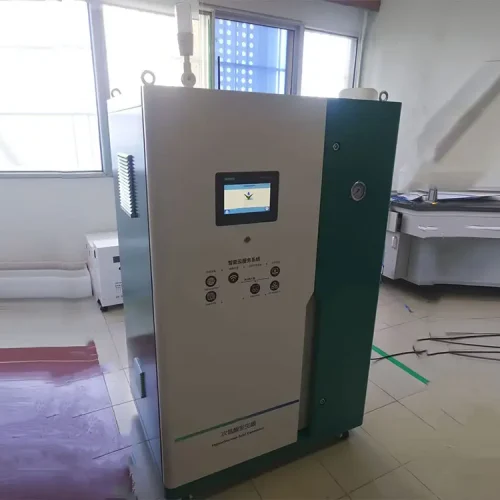
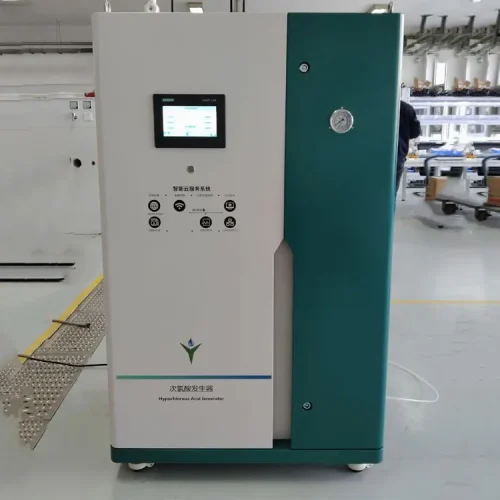
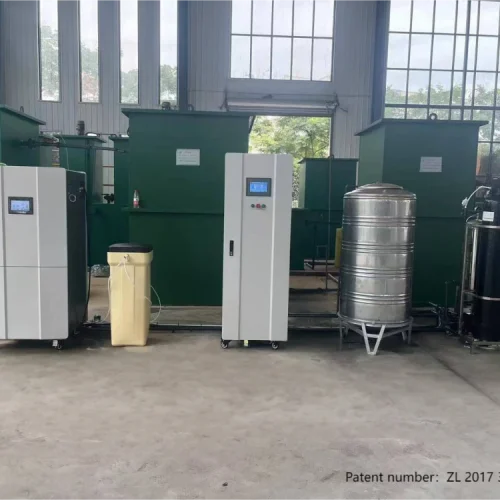
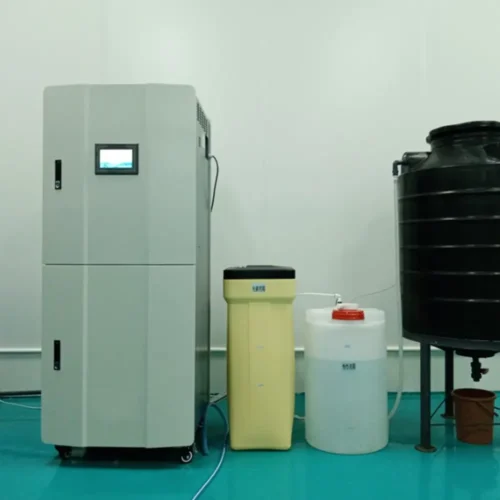
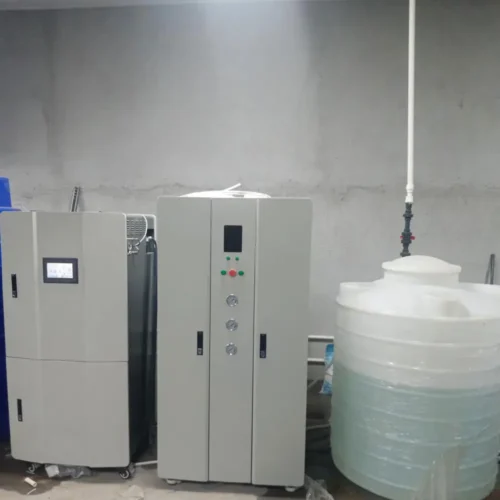
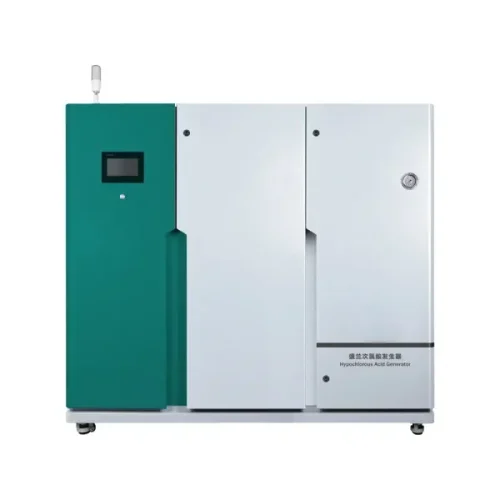
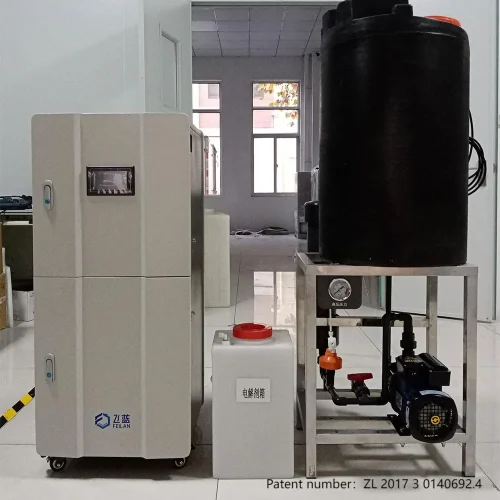
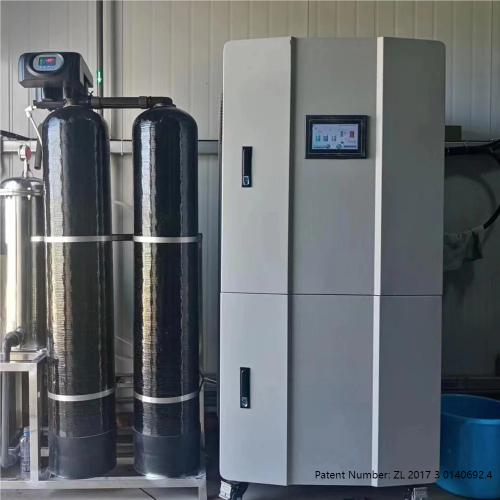
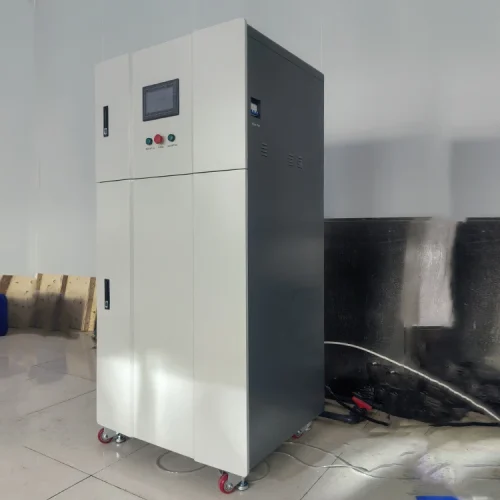
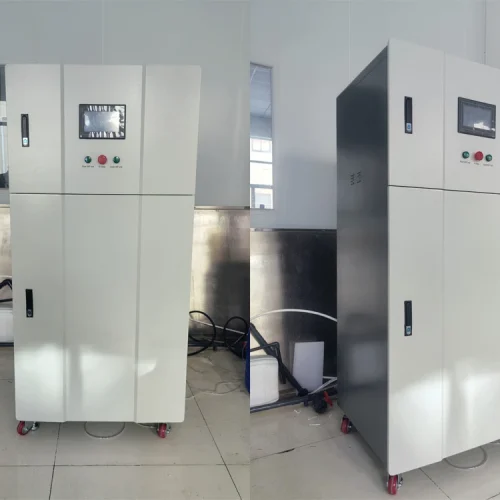
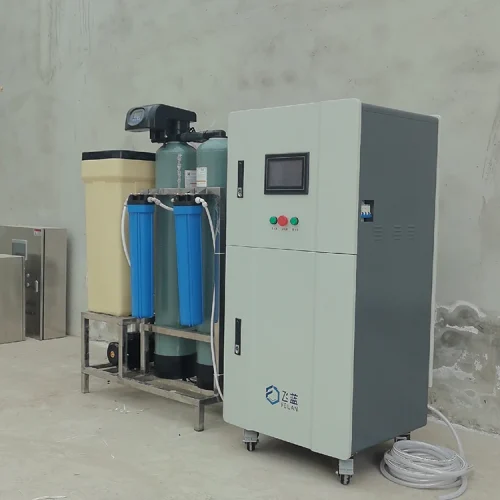
Hypochlorous acid generator is a device that produces hypochlorous acid (HClO) solution by electrolysis of salt (sodium chloride solution). HOCL is a weak acid with strong oxidizing capacity and broad spectrum antibacterial properties. Which can effectively kill microorganisms such as bacteria, viruses, fungi and spores. Compared with traditional chlorine preparations, hypochlorous acid has the following characteristics:
High safety: harmless to human body and environment at appropriate concentration
No residue: after decomposition, water and trace sodium chloride are forme, no chemical residue
Efficient sterilization: sterilization speed is fast, the effect is remarkable
Low cost: the raw materials are only salt and water, and the operation cost is low

Hypochlorous acid generator parameters
| Model Name | Hypochlorous acid generator is used in agricultural planting to prevent disease and improve the survival rate of crops FL-SAEW-1000,2000,4000,6000,9000 |
|---|---|
| flow | 100L/H,200L/H,300L/H,500L/H,1000L/H(Flow can be customized) |
| Concentration | 10-1000PPM(Adjustable) |
| Electrolyte | Salt(Nacl) Or Hydrochloric acid(HCL)or Potassium chloride (KCL) |
| Hypochlorous acid PH | 5-6.5 |
| Sodium hydroxide PH | 10-13.5 |
| Voltage | 220V/50Hz,380V/50Hz,110V/60Hz |
| The proportion of hypochlorous acid in ACC | 98.50% |
| Softened water system | One on standby and one in use |
| Weight | 95kg,120kg,180kg,210kg |
| Dimensions of hypochlorous acid generator | 460*420*1200mm,410*390*810mm,615*535*1320mm |
How does hypochlorous acid improve plant survival?
1. Create a healthy starting point for growth
By sterilizing seeds, seedlings, and seedling substrates, hypochlorous acid provides a “clean” starting point for plant growth, significantly reducing the risk of early disease infection and laying the foundation for healthy plant growth.
2. Optimize the rhizosphere environment
When hypochlorous acid is introduce into the soil through irrigation systems, it can effectively control soillborne diseases without causing long-term negative effects on beneficial soil microbial communities (at appropriate concentrations), thus creating a more conducive microenvironment for root development.
3. Reduce transplanting stress
Transplanting is a critical stress period during plant growth. Hypochlorous acid treatment of seedlings before transplanting and irrigation water after transplanting can significantly reduce the risk of disease infection during this period and improve the survival rate of transplanting.
4. Enhance the plant's own immunity
Studies have shown that hypochlorous acid treatment with appropriate concentration can activate systemic resistance of plants, enhance their own defense mechanism, and make plants more resistant to subsequent pathogen infection.

Practical application case and data support of hypochlorous acid generator in agricultural planting
Case 1: Tomato greenhouse planting experiment
After the introduction of hypochlorous acid generator system in a greenhouse tomato planting base, through continuous disinfection of irrigation water and regular foliar spraying, the following results have been achieve:
The incidence of disease was reduce by 67%
Reduce pesticide use by 55 percent
The average survival rate increased from 82% to 96%
Increase production by 23%
Case 2: Application of rice seedling
Use hypochlorous acid to treat seeds and seedbeds in the rice seedling stage:
The germination rate of seeds was increase by 12%
The incidence of blight at seedling stage decreased by 74%
The greening period was shorten by 2-3 days after transplanting
The final survival rate increased by 15%
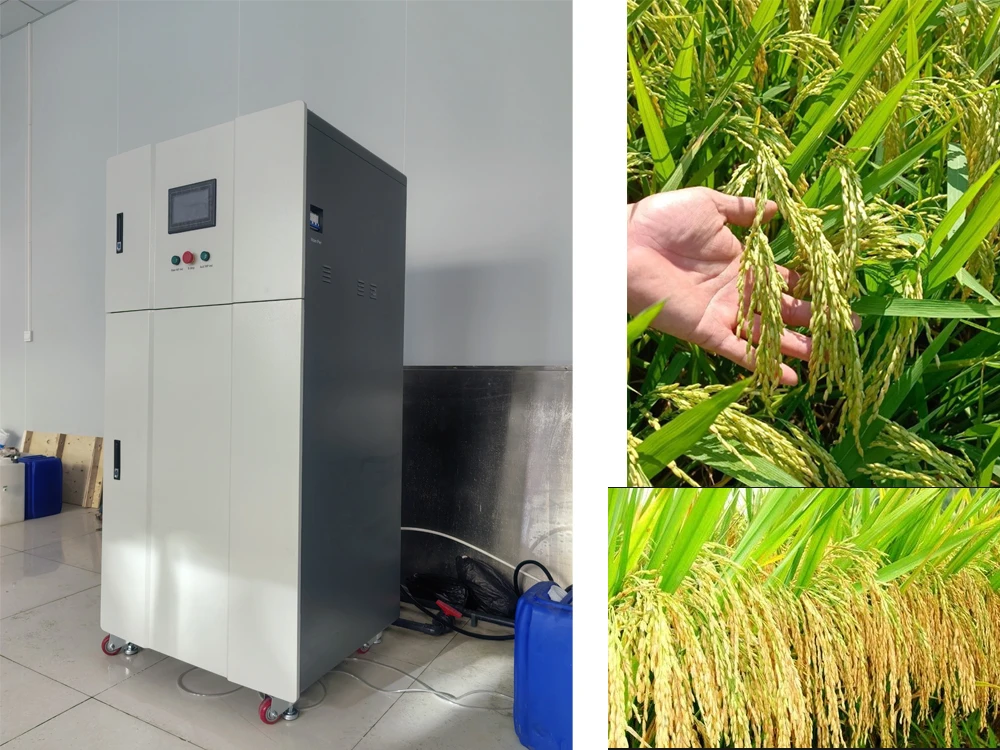
Application of hypochlorous acid in agriculture
Preventive application: regular low concentration treatment is better than high concentration intermittent treatment
Disease early stage: find signs of disease timely treatment, control the spread
Key growth stages: before and after transplanting, before and after flowering, fruit expansion stage, etc
Hypochlorous acid generator technology provides a safe, efficient and environmentally friendly disease control solution for modern agricultural planting. Through multiple mechanisms such as preventing diseases, optimizing the growth environment, and enhancing the plant’s own resistance, the survival rate and overall health level of plants are significantly improve. As the technology continues to mature and spread, it is expected to play an increasingly important role in reducing the dependence on chemical pesticides, improving the quality and safety of agricultural products, and promoting sustainable agricultural development.