

In agricultural production, pest control has always been the most troublesome problem for farmers. Although the effect of traditional chemical pesticides is remarkable. The problems of pesticide residues. Environmental pollution and pest resistance have become increasingly prominent. In recent years. A substance called hypochlorous acid is emerging in the agricultural field. It not only can effectively kill bacteria and eggs. But also is expected to become an ideal alternative to traditional pesticides.
Scientific basis of hypochlorous acid killing insect eggs
Hypochlorous acid can kill eggs. The key lies in its strong oxidation. Studies have confirmed that sodium hypochlorite solution can effectively treat eggs. For example, in the cultivation process of Lucifer mercerate larvae. Researchers use 5-6% sodium hypochlorite solution to disinfect eggs for 3-5 minutes. Which can not only kill pathogens on the surface of eggs. But also do not affect the life vitality of eggs. This suggests that hypochlorous acid has a precise and efficient effect on eggs.
More studies have used sodium hypochlorite as an egg killing agent for Echinococcus. And proved its effectiveness in killing parasite eggs. From the point of view of the mechanism of action. Hypochlorous acid can penetrate the protective layer of the egg. Destroy its protein structure, and make the egg lose its hatching ability.

The core advantage of hypochlorous acid instead of pesticides
Compared with traditional chemical pesticides, hypochlorous acid has shown the following irreplaceable advantages in agricultural applications:
1, hypochlorous acid sterilization efficiency, one machine multi-purpose
Traditional pesticides often target specific diseases and pests, and farmers need to purchase a variety of pesticides for rotation. As a strong oxidant, hypochlorous acid can not only kill eggs, but also effectively prevent and control grape anthracnose, cucumber powderhead, wheat rust and tomato leaf mold and other plant diseases. This means that an aqueous hypochlorous acid solution can act as both an insecticide and a fungicide, greatly reducing the cost of plant protection.
2,Hypochlorous acid is safe, non-toxic and has no residual risk
Hypochlorous acid is a bactericidal substance naturally produced by the human immune system. The US Food and Drug Administration (FDA) has certified it as a Class I medical device grade fungicide, and the Japanese Ministry of Health and Welfare has announced it as a food additive. Hypochlorous acid water will be reduced to water after contact with organisms, no residue and will not pollute the environment. In contrast, the residue period of traditional pesticides on crops can last for days to weeks, which poses risks to food safety.
3,Hypochlorous acid does not develop resistance
Due to the long-term use of chemical pesticides has led to the development of resistance in pests and pathogens. Therefore forcing farmers to constantly increase their use or replace them with new drugs. However hypochlorous acid directly destroys biological structures through strong oxidation. This physicochemical mechanism will not induce drug resistance and can be used stably for a long time.
4,Green environmental protection, in line with the concept of organic agriculture
In recent years, Due to research on the application of hypochlorous acid water in organic agriculture has attracted much attention. In cooperation with related enterprises. At the same time Taiwan Mingdao University has applied micro-alkaline electrolytic hypochlorous acid water to pathogen control and flower and vegetable tissue culture research in organic agriculture, aiming to replace highly polluting chemical pesticides with non-toxic hypochlorous acid water. As early as 20 years ago, Japan has applied the disinfection and sterilization effect of hypochlorous acid water to agriculture and animal husbandry, and the relevant experience is worth learning.
5,Hypochlorous acid preservation and loss reduction, extend shelf life
Hypochlorous acid can not only control pests and diseases in growing period, but also play a role in post-harvest treatment. Hypochlorous acid water can kill or control the pathogenic microorganisms on the surface or inside of fruits and vegetables, and can adjust the respiratory metabolism of fruits and vegetables after picking, reduce the decay loss after picking, and extend the shelf life. This feature is an added value that traditional pesticides do not have.
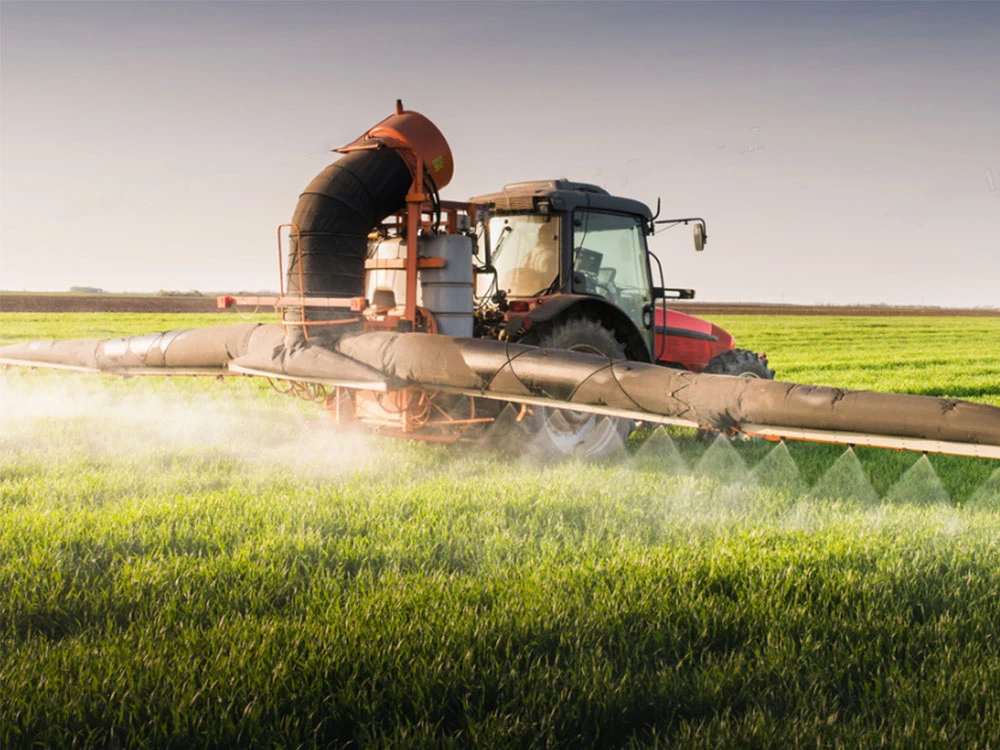
Hypochlorous acid use range and recommendations
Hypochlorous acid water has a wide range of applications in agriculture, including:
- Soil disinfection: Kill eggs and pathogenic bacteria in the soil
- Seed treatment: Substitute chemical agents for seed disinfection
- Foliar spraying: Control leaf diseases
- Greenhouse disinfection: clean the facility agricultural environment
- Post-harvest processing: fruits and vegetables cleaning and preservation