

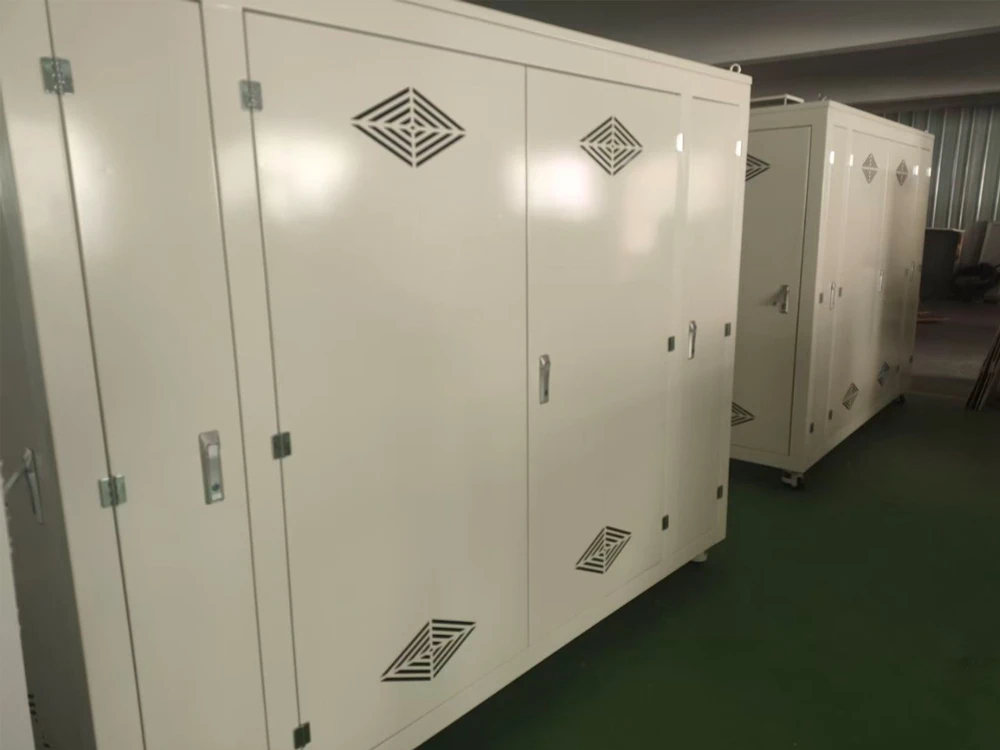
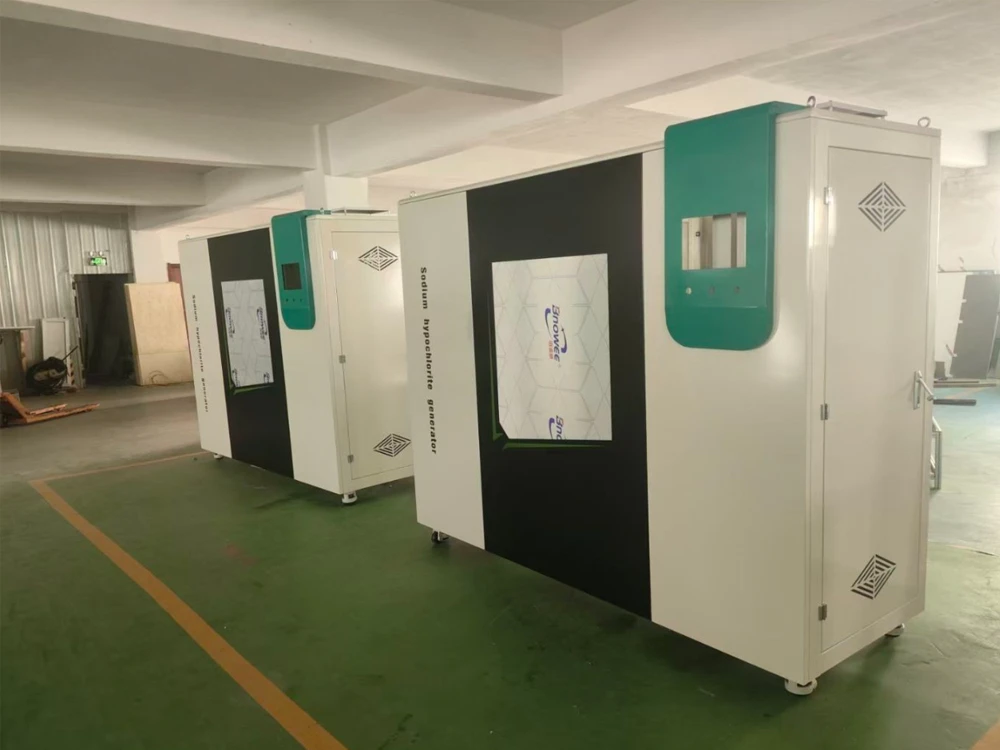
We wanted to share some exciting news from our production facility. Right now, our workshops are buzzing with activity. Our teams are working diligently. We are in the midst of intensive, full-scale production. Specifically, we are manufacturing our large-scale sodium hypochlorite generators.
The factory floor is a scene of focused energy. Machines are operating. Technicians are assembling. Quality checks are continuous. This is a fantastic moment for our company. It shows the trust you place in our technology at the same time.

Customer trust
This surge in activity is not an accident. It is a direct result of one thing: your trust. We are honored. This trust comes from two different, wonderful sources.
Firstly, our existing customers. These are partners who have used our equipment for years. They know its reliability. They know the quality of our service. Now, they are expanding their operations at the same time. They are upgrading their facilities. And they are coming back to us. They do not shop around. They know we will deliver. This repeat business is the highest compliment we can receive at the same time.
Secondly, our new customers. These are industry leaders who have done their research. They have compared the options. They have studied the technology. And also they have chosen us. They are investing in our systems for new projects. They are placing their confidence in our engineering and our reputation at the same time.
This combination of old friends and new partners has filled our order books. For this, we are incredibly grateful at the same time.
However, this success demands transparency. This high demand means our production schedule is tight. Our lead times are, honestly, longer than usual.
We want to show you why. We want to take you inside our production process. You will see the care, skill, and also time that goes into every single machine. This is why we are busy, and also this is why our generators are worth the wait.
Stage 1: The Blueprint (Engineering and Design)
It all begins with a conversation. Your project is unique. Our engineers listen. They collaborate with your team. They discuss flow rates, capacity needs, and also site-specific challenges.
Firstly, we map out your exact requirements.
Then, our design team creates detailed 3D models and technical drawings.
Finally, you review and approve this blueprint. This approval is the “go” signal. It is the moment your generator is born on paper.
Stage 2: The Foundation (Procurement and Materials)
A machine is only as strong as its components. We do not compromise on materials.
Our procurement team immediately springs into action.
They source the most critical component: the electrolytic cell. We order industrial-grade, coated titanium for the anodes and also cathodes. This is the absolute heart of the generator.
Nextly, they secure the structural materials. This includes robust steel for the skids and frames. It includes high-density, corrosion-proof piping, valves, and also fittings.
We also source the “brains.” This means the Programmable Logic Controllers (PLCs), the touch screens, and also the sensitive, high-precision sensors.
Only materials that pass our incoming inspection are allowed onto the workshop floor.
Stage 3: The Brain (Electrical and Controls)
While the plumbing is installed, our electrical engineers build the control panel.
This is the central nervous system of the generator.
They carefully wire the PLC. They connect the power supplies. Meanwhile, they mount the safety breakers.
They create the user interface (the HMI screen) that you will use every day.
Once the panel is built, they integrate it with the machine. They run conduits. They connect every sensor, every pump, and also every valve back to the main panel. This phase requires intense focus.
Stage 4: The Test (Quality Assurance)
This is our final, and most important, promise to you. We never ship a machine that has not passed our rigorous tests.
Firstly, a “dry test.” The QC team powers up the control panel. They check every electrical signal. Does the PLC see the sensors? Do the pumps respond to commands?
Secondly, the “wet test.” We fill the system with brine. And also we start the production cycle.
We run the generator. And we run it. We run it for hours.
We test the output. Meanwhile, we use titration kits to check the sodium hypochlorite concentration. Is it exactly 0.8%?
We check for leaks. And also we check the pressures. We test every safety alarm. Meanwhile, we intentionally create fault conditions to ensure the machine shuts down safely.
A generator only leaves our factory after a QC engineer signs their name to it. Therefore, this signature is their personal guarantee.
The Value of Trust, The Reality of Time
As you can see, this is a process of craft. It is not an assembly line for a simple product. It is the construction of sophisticated, heavy-duty industrial equipment at the same time.
This meticulous process is the reason for the trust you place in us. And this, in turn, is the reason for our extended lead times at the same time.
We are at capacity. We are building machines for new water treatment plants. Meanwhile, we are building systems for major hospitals. We are supporting food safety manufacturers. We are honoring the orders from our long-term partners first.
By the way, we have a choice. We could rush. We could hire untrained staff. This would shorten our lead times. But it would be a betrayal of your trust.
We will not do that. We will never sacrifice quality for speed. The generator you receive must be flawless. It must be reliable. It must be safe.
FAQ
1. Is on-site generation safer than liquid chlorine?
Yes! No toxic gas storage or transport risks. The system produces only what you need at the same time.
2. What’s the maintenance requirement?
Minimal. Regular cell cleaning and also salt refills. Automated alerts simplify upkeep.
3. How to handle maintenance?
Automated alerts guide servicing.
.