

A seamless transition to on-site sodium hypochlorite generation has resulted in overwhelmingly positive feedback from a key municipal water treatment facility. The installation of three state-of-the-art SHT-20000G sodium hypochlorite generators has not only enhanced the safety and efficiency of their water disinfection process. But has also demonstrated exceptional reliability and ease of use, marking a significant upgrade in public health protection.
The client, a forward-thinking municipal water authority, recently modernized its disinfection protocol by adopting our on-site generation technology. This strategic move was prompted by a desire to eliminate the risks associated with the transportation and storage of bulk chlorine gas or commercial hypochlorite solutions. Furthermore, they sought a more stable and cost-effective method for ensuring the delivery of safe and clean drinking water to the communities they serve.
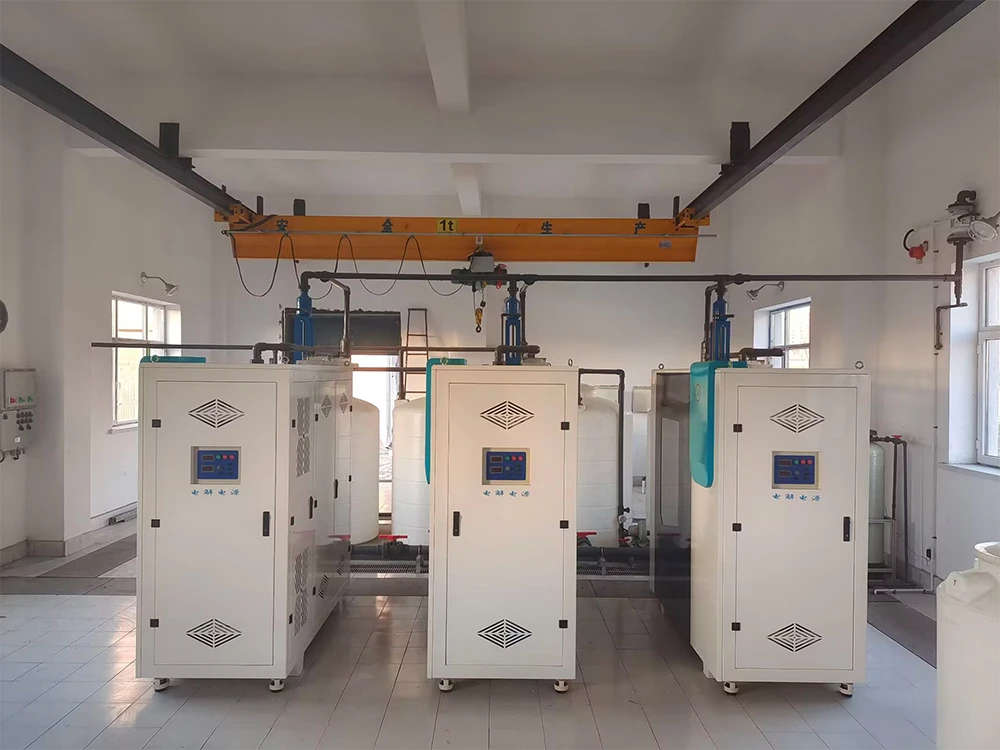
A Flawless Installation Process
The successful implementation of this project began with a meticulous and collaborative installation process. Our dedicated team of engineers worked in close coordination with the water plant’s operational staff to ensure a smooth. And non-disruptive integration of the three SHT-20000G units.
1. First, a comprehensive site assessment was conducted to identify the optimal location for the new equipment. This involved evaluating factors such as accessibility for salt delivery, proximity to the water feed and injection points, and adequate ventilation. Consequently, a detailed installation plan was developed, outlining every step of the process to minimize downtime and ensure the continued, uninterrupted treatment of the municipal water supply.
2. Next, our technicians expertly installed the SHT-20000G systems. These advanced generators, each capable of producing 20,000 grams of available chlorine per hour, were position to allow for easy access for routine maintenance and monitoring. The installation encompassed the entirety of the system, including the brine tanks, electrolytic cells, power rectifiers, and the sophisticated control panels that serve as the brain of the operation.
3. Finally, a rigorous commissioning and training phase was initiated. Our engineers thoroughly tested each component of the system to verify its performance against the specified parameters. Following this, comprehensive training was provided to the water plant’s operators. This hands-on instruction covered all aspects of the SHT-20000G’s operation. From routine procedures to safety protocols, empowering the client’s team to manage the system with confidence and proficiency.
Exceptional Operational Performance and Reliability

Since their commissioning, the three SHT-20000G sodium hypochlorite generators have been operating flawlessly, meeting and often exceeding the client’s expectations. The feedback has been consistently positive, with the water treatment facility highlighting several key areas of success.
1. The on-site generation process, which utilizes only salt, water, and electricity to produce a low-concentration sodium hypochlorite solution, has been praise for its inherent safety. The elimination of hazardous chemical transportation and on-site storage has significantly reduced the risk profile of the entire facility. This has been a source of great reassurance for both the plant’s staff and the surrounding community.
2. Moreover, the stability and consistency of the generated sodium hypochlorite solution have been a major advantage. Unlike commercial hypochlorite, which can degrade over time, the on-site produced solution maintains a constant concentration, ensuring a precise and reliable disinfection dose. This has led to improved water quality and a more efficient use of the disinfecting agent.
3. The operational efficiency of the SHT-20000G units has also been a noteworthy success. The automated system requires minimal operator intervention. The user-friendly interface of the control panel allows for easy monitoring of key parameters such as production rates, salt consumption, and power usage. This high level of automation has freed up valuable time for the plant’s personnel, allowing them to focus on other critical aspects of water treatment.
Positive Customer Feedback: A Testament to Quality
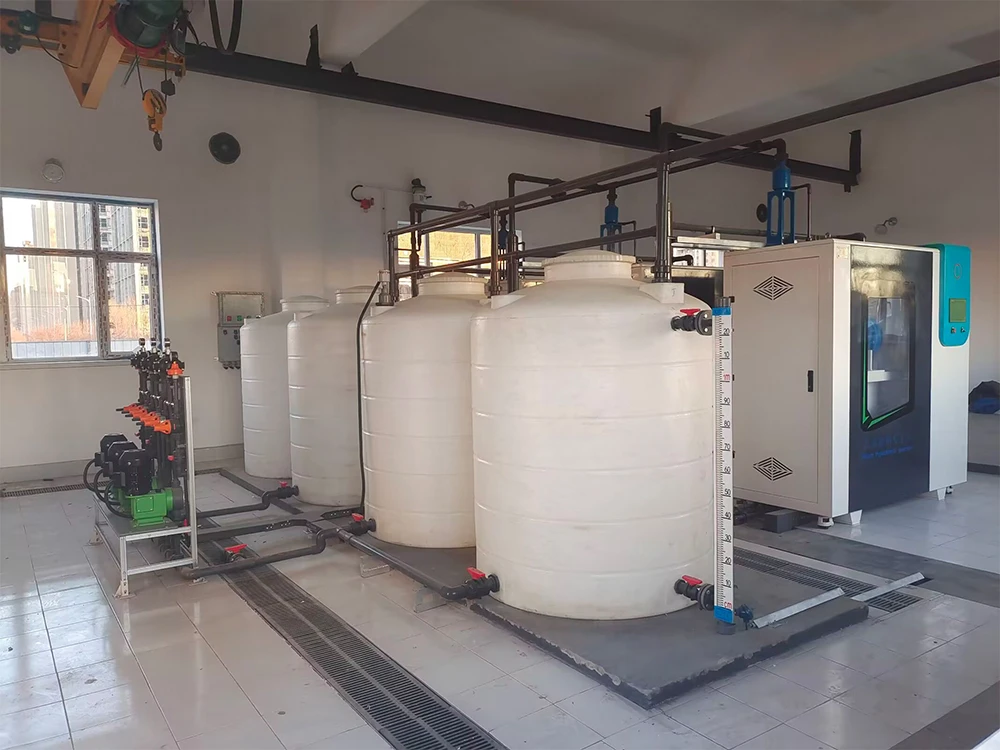
The most gratifying aspect of this project has been the enthusiastic feedback from our client. The plant manager has expressed their satisfaction, stating, “The SHT-20000G sodium hypochlorite generators have been a game-changer for our facility. The installation was professional and efficient, and the equipment has been incredibly reliable. We have seen a significant improvement in the safety and stability of our disinfection process. Our team finds the system easy to operate, and the support we have received has been exceptional.”
This positive sentiment is echoed by the operational staff. Who have commended the intuitive design and robust performance of the generators. The transition from their previous disinfection method has been seamless, and the new system has been quickly adopted as an integral and valued part of their daily operations.
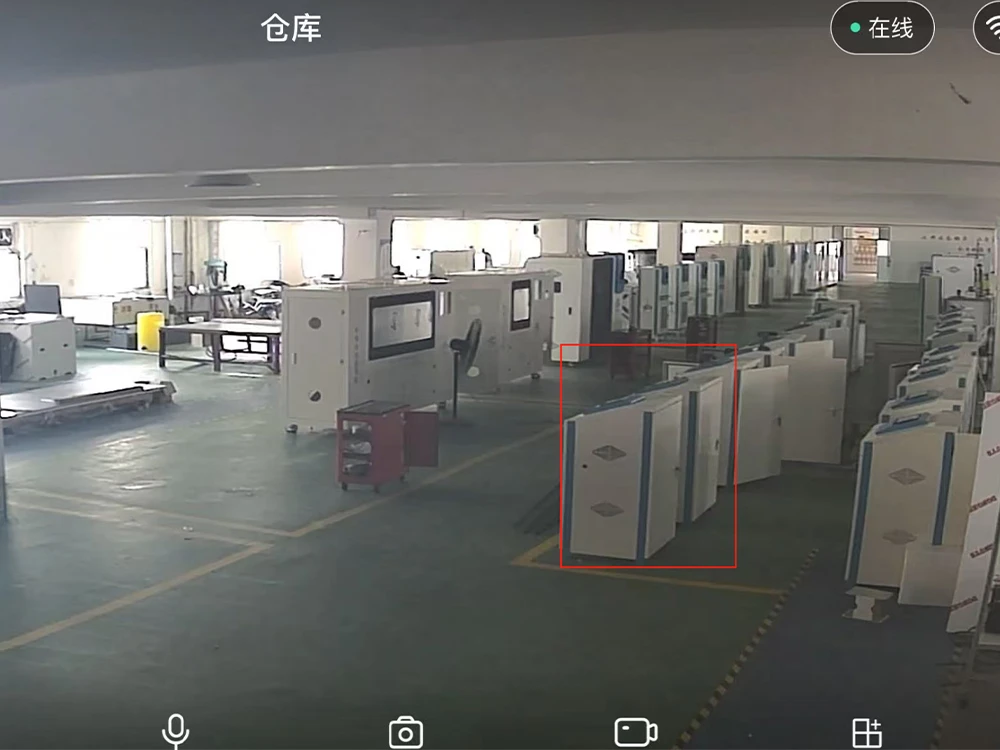
In conclusion, the successful deployment of three SHT-20000G sodium hypochlorite generators at this municipal water treatment plant serves as a powerful testament to the effectiveness, reliability, and safety of on-site generation technology. The positive customer feedback underscores the significant benefits of this modern approach to water disinfection. We are proud to have partnered with this forward-thinking municipality in their commitment to providing safe and high-quality drinking water, and we look forward to continuing to support their mission for years to come.
FAQ
1. Is on-site generation safer than liquid chlorine?
Yes! No toxic gas storage or transport risks. The system produces only what you need at the same time.
2. What’s the maintenance requirement?
Minimal. Regular cell cleaning and also salt refills. Automated alerts simplify upkeep.
3. How to handle maintenance?
Automated alerts guide servicing.