

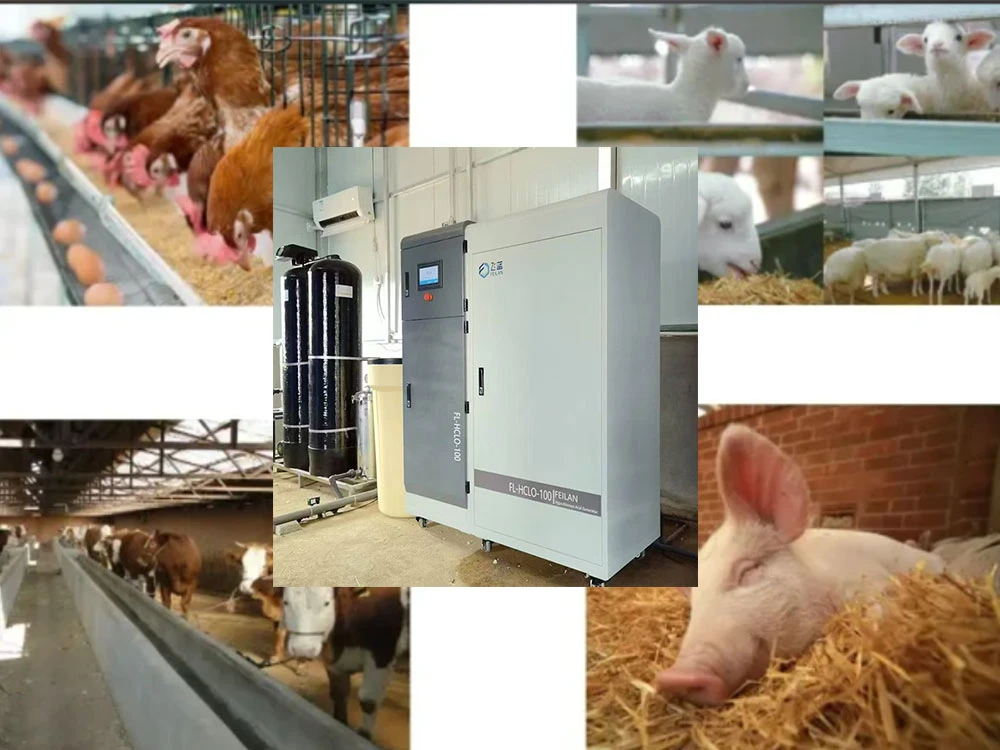
In modern animal husbandry, environmental control and biosafety are the key links to ensure animal health and improve production efficiency. Traditional chemical disinfectants and deodorants often have pain points of irritation, residue and high cost. By electrolyzing salt and water. Hypochlorous acid generator can produce high purity and high activity of slightly acidic hypochlorous acid…
Category Archives: Product News Classification
11
Mar
Mar
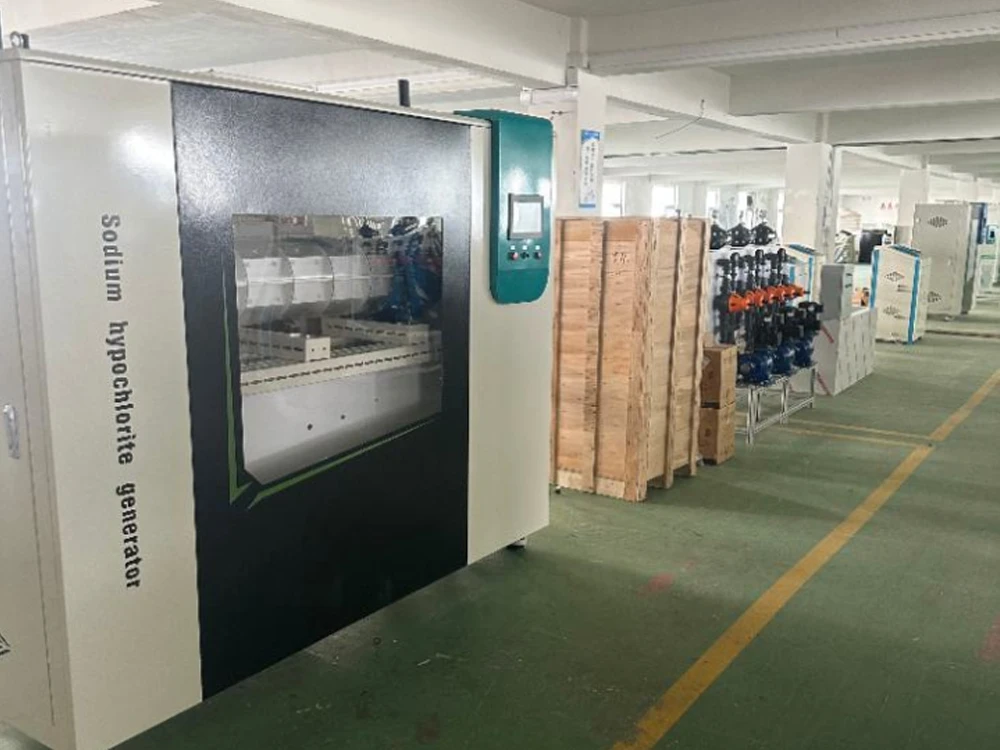
Wastewater treatment plants face a massive challenge today. Regulatory bodies demand cleaner water. Communities demand higher safety standards. Meanwhile, managers must cut costs and improve efficiency. Traditional disinfection methods often fall short of these goals. Liquid chlorine gas is dangerous. Bulk bleach is unstable and also expensive to transport. Our On-Site Sodium Hypochlorite Generators solve…
10
Mar
Mar
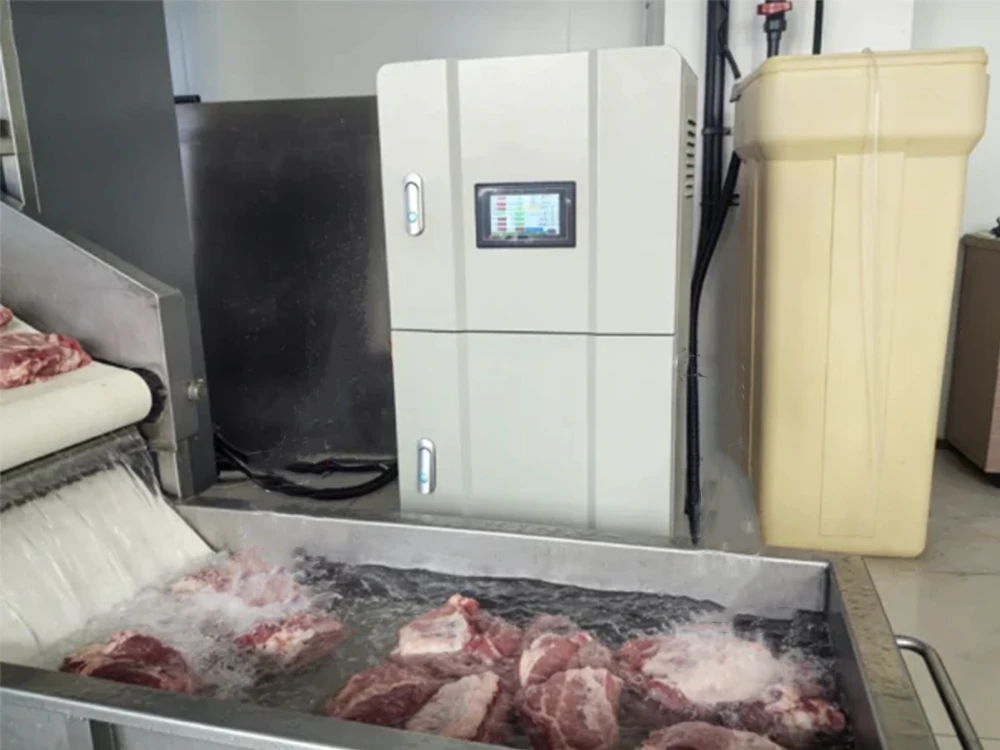
In the process of meat processing, pathogenic microorganisms such as Salmonella. E. coli and Listeria can easily grow on the carcass surface after slaughter. How to ensure food safety without introducing chemical residues and environmental impacts has always been a pain point for the food processing industry. The emergence of hypochlorous acid generator provides an…
09
Mar
Mar
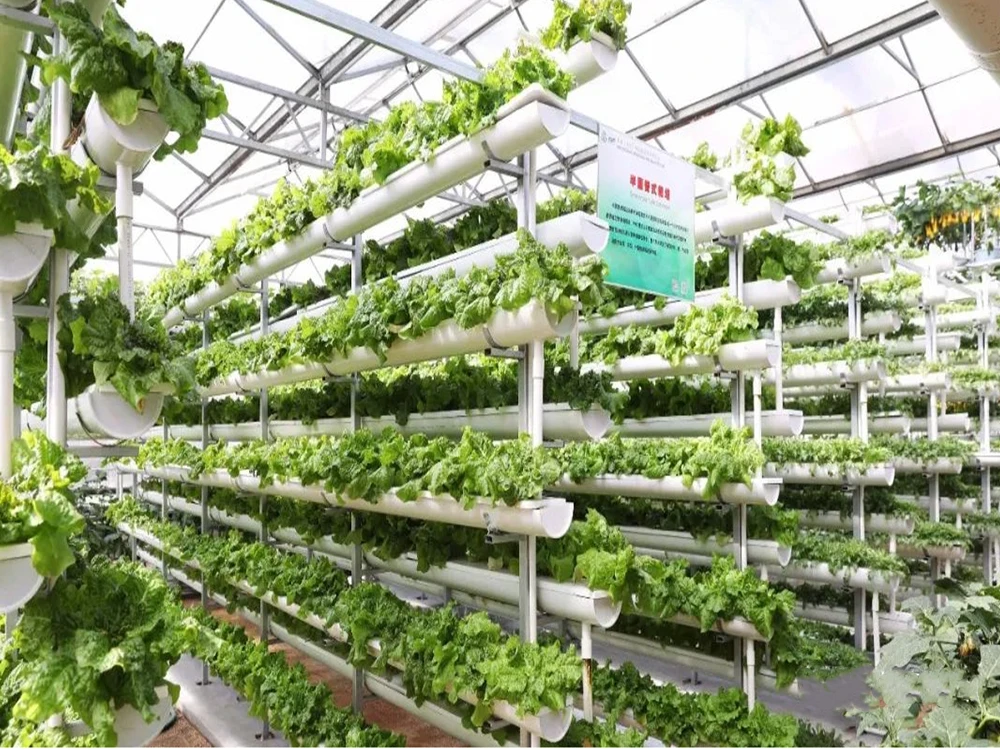
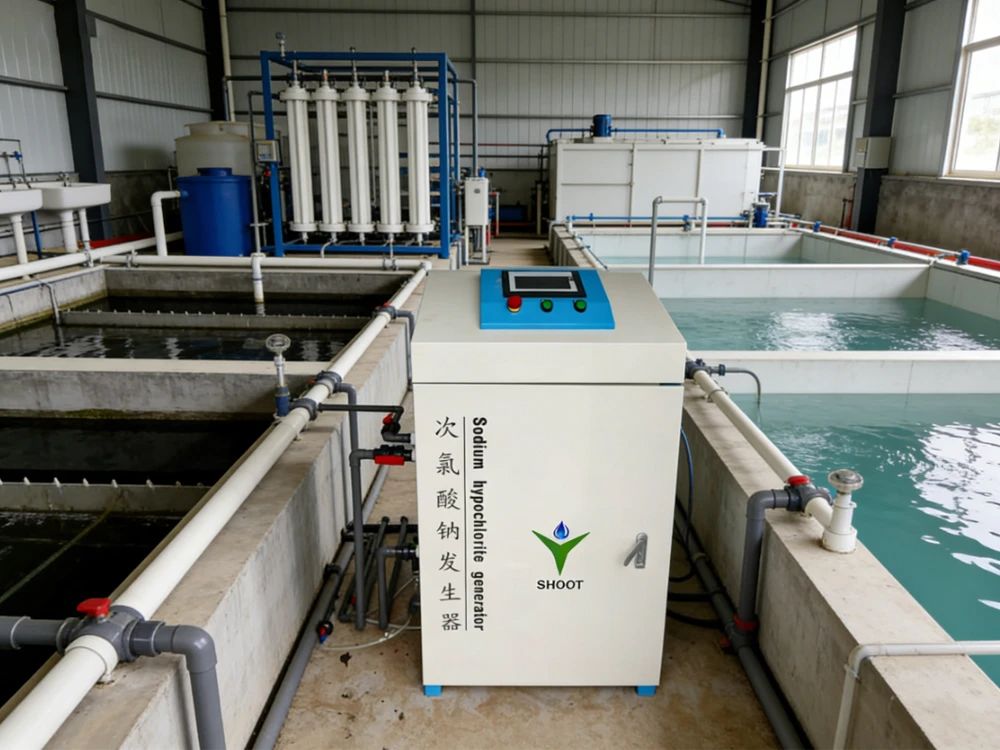
Due to hypochlorous acid (HClO). As an efficient, broad-spectrum and safe fungicide, has been widely concerned in modern agriculture. Especially soilless cultivation in recent years. Through electrolysis technology. The hypochlorous acid generator can produce high-purity and stable hypochlorous acid water on site. Which provides an innovative solution for disease prevention and control. Water quality management…
04
Mar
Mar
Access to safe drinking water is a fundamental right. However, rural areas and small towns often face unique challenges. Infrastructure is limited. Budgets are tight. Technical expertise is scarce. Our mission is to bridge this gap. We provide reliable, cost-effective, and user-friendly sodium hypochlorite generators designed specifically for these environments. With years of experience in…
03
Mar
Mar
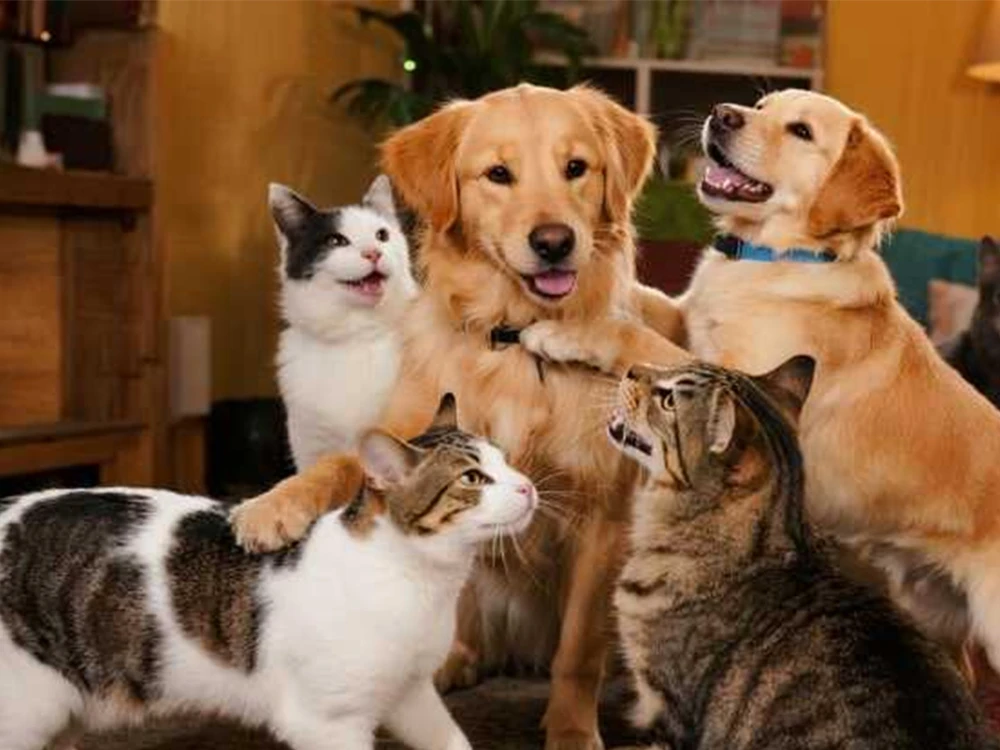
Many pet families have a dilemma when it comes to cleaning. Use alcohol or 84 disinfectant (sodium hypochlorite), although effective. But the acrid odor will make the pet with a sensitive sense of smell feel uncomfortable. And even cause respiratory irritation. If used improperly, the residual chemicals are ingested by cats and dogs that like…
02
Mar
Mar
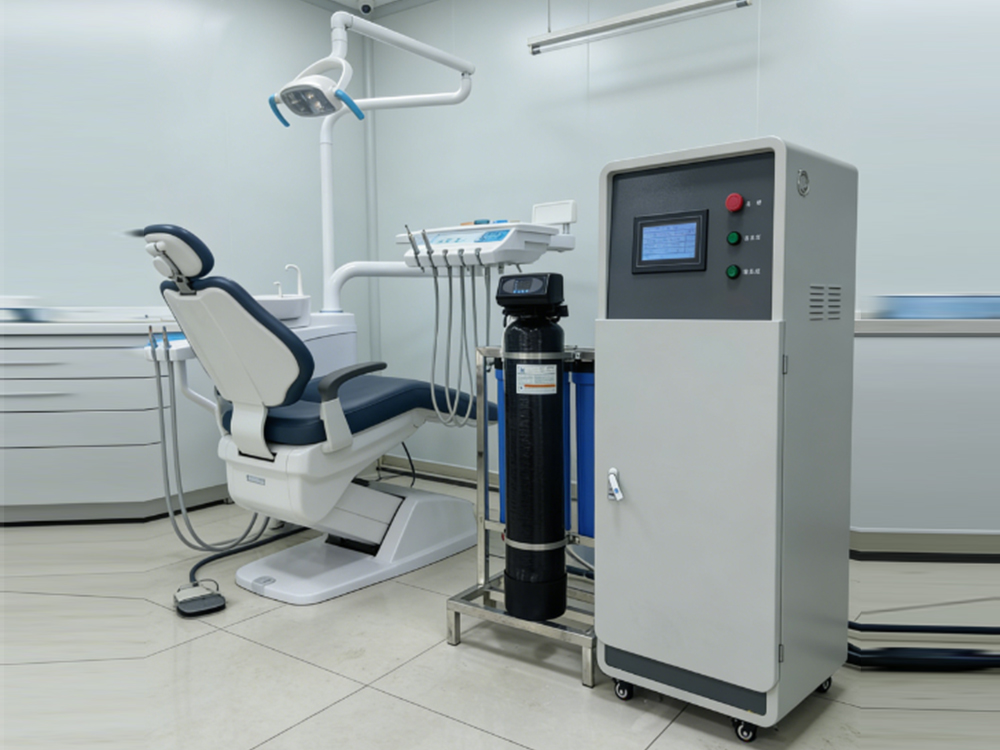
In the process of oral diagnosis and treatment. The Dental Unit Waterlines (DUWLs) has always been the focus and difficulty of nosocomial infection control. Due to its slender pipe, small diameter. And the existence of negative pressure suction in daily use. It is easy to form “biofilm” in the pipe wall that is difficult to…
27
Feb
Feb
Clean drinking water is the heartbeat of any community. In small towns, however, ensuring a steady supply of safe water presents unique challenges. Operators often deal with remote locations, limited budgets, and also a lack of specialized chemical handling infrastructure. Our mission is to bridge this gap. We provide high-quality sodium hypochlorite generators that turn…
23
Feb
Feb
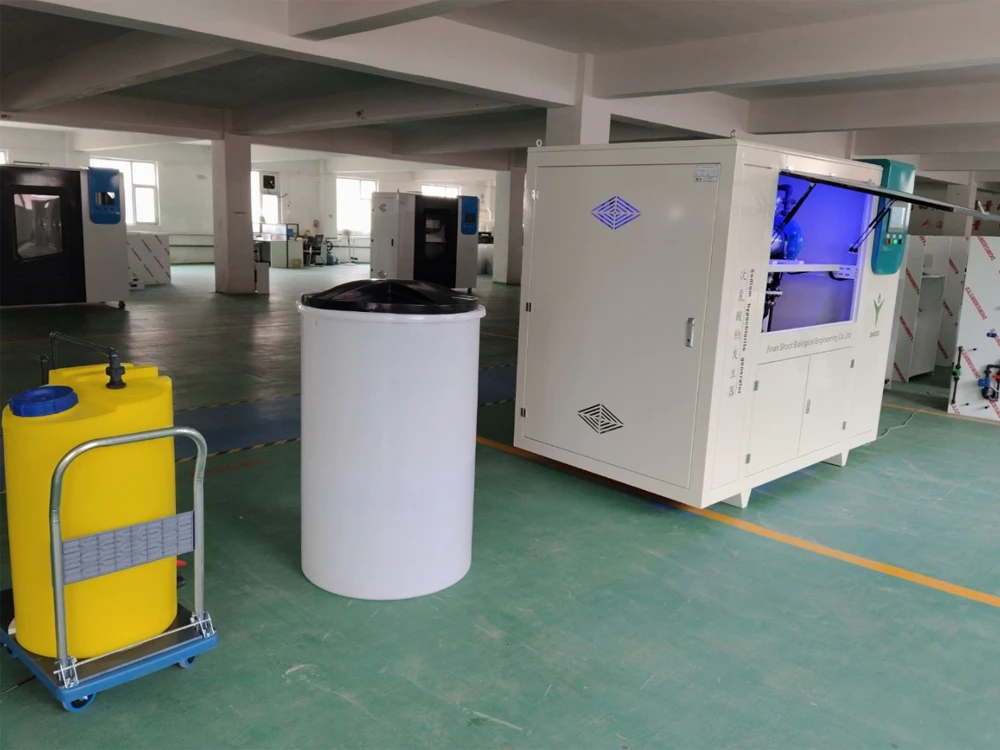
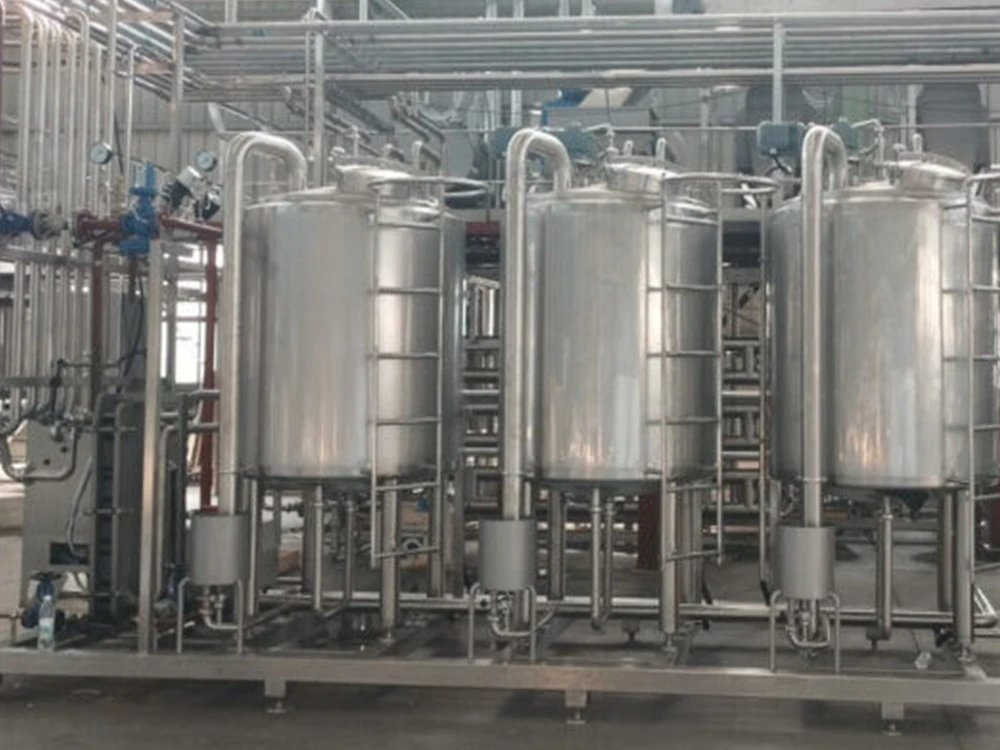
In the Cleaning in Situ (CIP) system. The final disinfection step is the lifeline to ensure food safety and equipment hygiene. Traditional CIP disinfection usually relies on heat, peracetic acid, or sodium hypochlorite (bleach). However, with the increasing requirements for production efficiency. Safety and environmental protection in the food. Beverage and dairy industries. Hypochlorous acid…

12
Feb
Feb
Seafood processing has been facing a dilemma for a long time. It is necessary to completely remove pathogenic bacteria such as Vibrio parahaemolysticus and Escherichia coli carried by raw materials. And to avoid odor residues. Protein denaturation and irritation problems caused by the use of traditional chlorine-containing disinfectant. The maturity of hypochlorous acid generator technology…